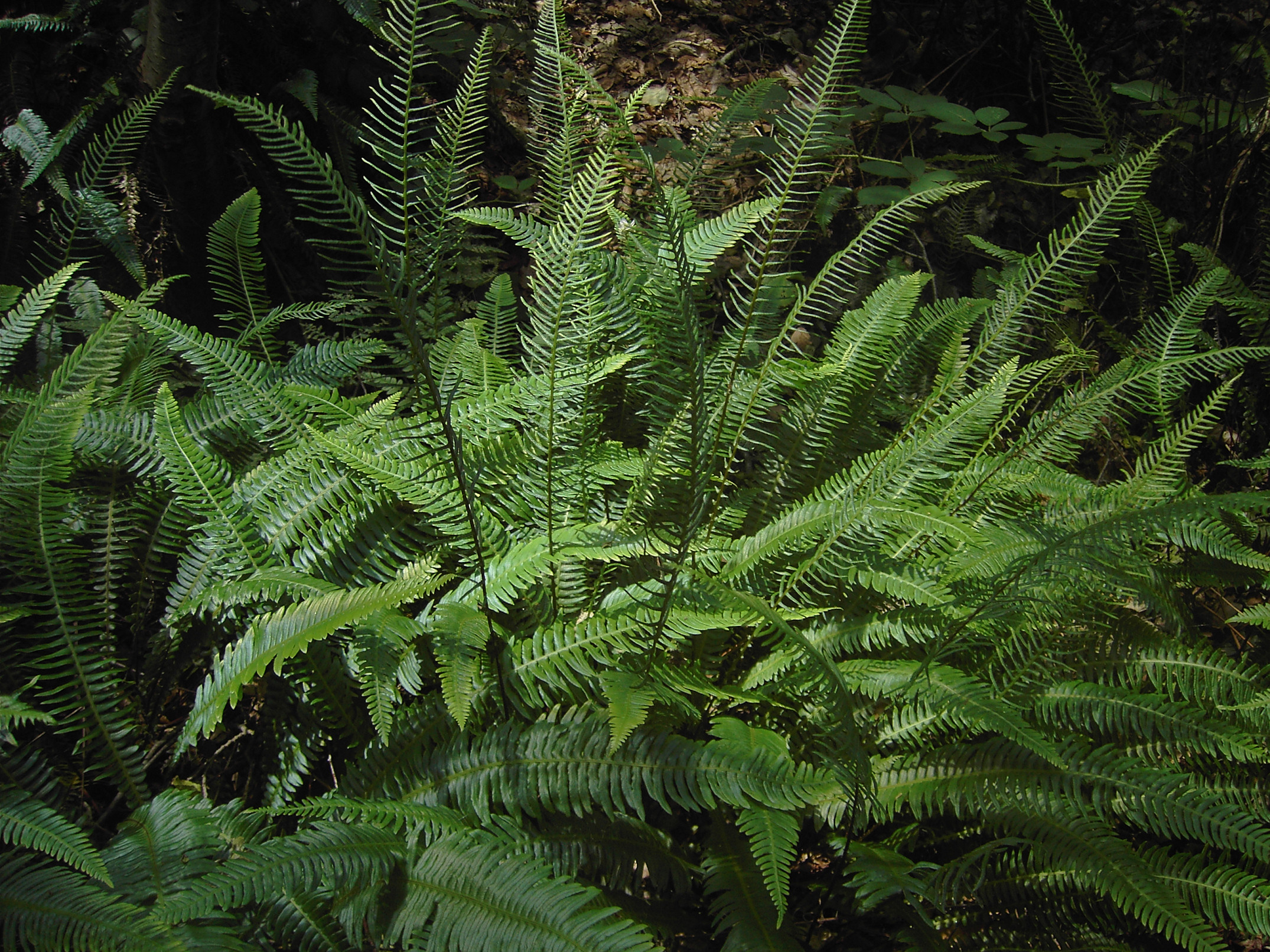
Deer Fern
Quick Facts & Botanical Stats
Species Overview
Features two distinct types of fronds: flat sterile fronds and upright fertile spikes.
Physical Appearance & Anatomy
A visual marvel of the ferns family. Features two distinct types of fronds: flat sterile fronds and upright fertile spikes.
Habitat & Growth Behavior
Well-adapted to tolerate local conditions in rainforest regions.
Ecological Role & Symbioses
Contributes to the biodiversity and stability of its ecosystem.
Reproduction, Lifecycle & Propagation
Reproduces seasonally via seeds or spores.
Conservation Status & Environmental Threats
Vulnerable to local habitat modification and climate shifts.
Interesting Fun Facts
- In winter, deer feed on the evergreen sterile fronds as a vital food source.
- Thrives under appropriate sunlight and water access.
Related Plants

Boston Fern
Least ConcernWhat is a Boston fern? The Boston fern (Nephrolepis exaltata 'Bostoniensis') is a popular species of fern belonging to the Lomariopsidaceae family. Native to humid, tropical woodlands and swamps, it is globally famous for its lush, arching, feathery fronds. Discovered in a shipment of ferns from Boston to Philadelphia in 1894, it became a classic Victorian houseplant. Like all ferns, it is a non-flowering vascular plant that reproduces via spores rather than seeds.

Ostrich Fern
Least ConcernWhat is an ostrich fern? The ostrich fern (Matteuccia struthiopteris) is a large crown-forming deciduous fern belonging to the Onocleaceae family. Native to temperate regions of North America and Eurasia, it is named for its large, upright, feathery green fronds that resemble ostrich feathers. Are ostrich ferns edible? Yes, the tightly coiled young fronds, known as fiddleheads, are harvested in spring and eaten as a seasonal delicacy in North America and Japan.