Ferns & Lycophytes
Vascular plants that reproduce via spores rather than seeds or flowers, characterized by graceful, feathery fronds and complex leaf branching structures.

Boston Fern
Least ConcernWhat is a Boston fern? The Boston fern (Nephrolepis exaltata 'Bostoniensis') is a popular species of fern belonging to the Lomariopsidaceae family. Native to humid, tropical woodlands and swamps, it is globally famous for its lush, arching, feathery fronds. Discovered in a shipment of ferns from Boston to Philadelphia in 1894, it became a classic Victorian houseplant. Like all ferns, it is a non-flowering vascular plant that reproduces via spores rather than seeds.

Ostrich Fern
Least ConcernWhat is an ostrich fern? The ostrich fern (Matteuccia struthiopteris) is a large crown-forming deciduous fern belonging to the Onocleaceae family. Native to temperate regions of North America and Eurasia, it is named for its large, upright, feathery green fronds that resemble ostrich feathers. Are ostrich ferns edible? Yes, the tightly coiled young fronds, known as fiddleheads, are harvested in spring and eaten as a seasonal delicacy in North America and Japan.

Maidenhair Fern
Least ConcernWhat is the Maidenhair Fern? Adiantum capillus-veneris, the maidenhair fern, is a delicate, elegant fern species in the Pteridaceae family. Found worldwide, it is famous for its fan-shaped leaflets and thin, black, wire-like leaf stalks. It grows in damp crevices on limestone rocks and near waterfalls, adapted to high-moisture environments. The name 'Adiantum' comes from Greek, meaning 'unwetted', as its leaves repel water.

Western Sword Fern
Least ConcernWhat is the Western Sword Fern? Polystichum munitum, the western sword fern, is a large, robust evergreen fern in the Dryopteridaceae family. Native to the Pacific Northwest, it is a dominant understory plant in redwood and Douglas fir forests. It is highly resilient, capable of surviving dry summer spells, and is named for its sword-shaped fronds that grow in a circular crown.
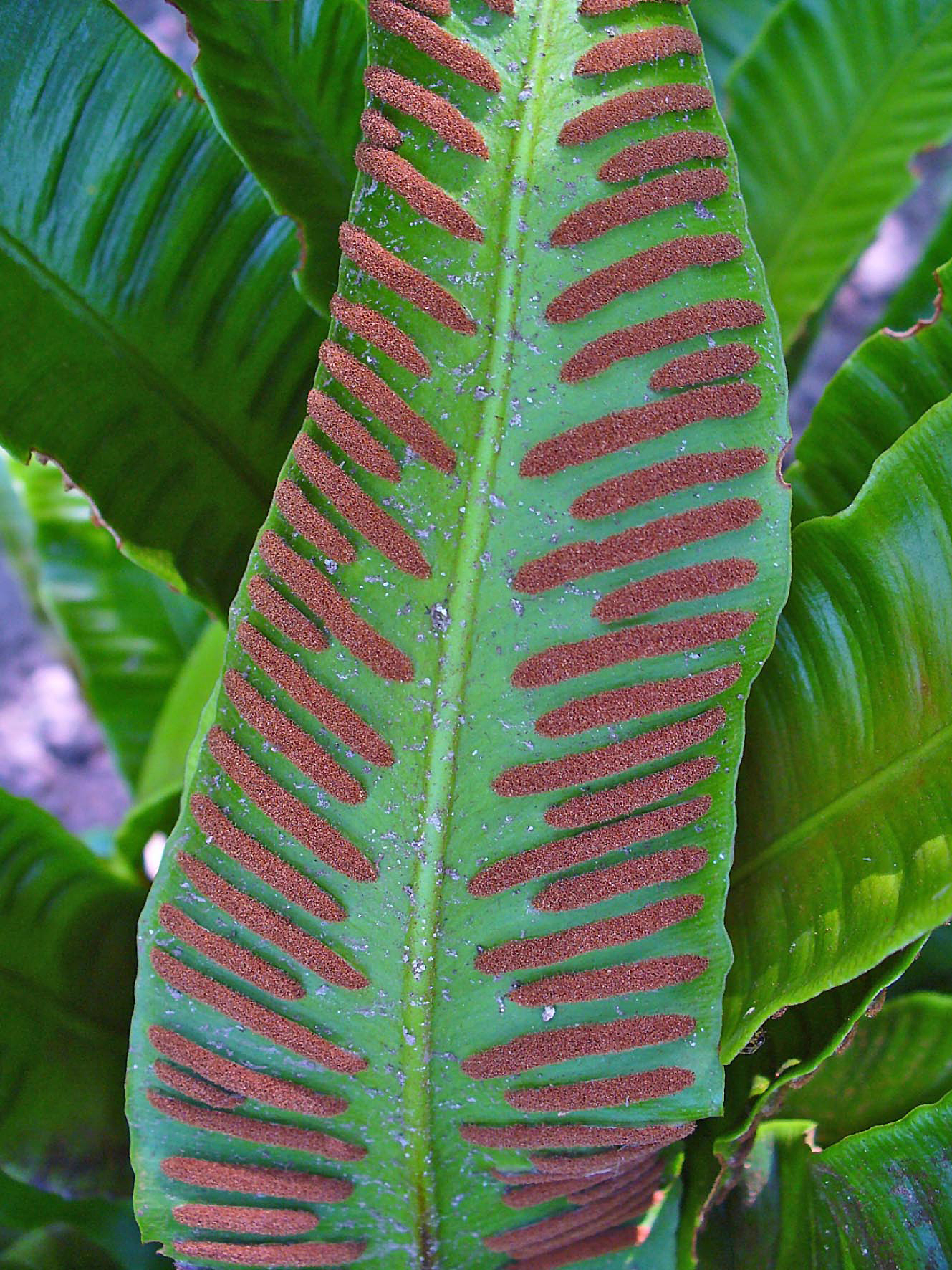
Hart's Tongue Fern
Least ConcernWhat is a Hart's Tongue Fern? The Hart's tongue fern (Asplenium scolopendrium) is an evergreen fern in the Aspleniaceae family. Unlike typical ferns with feathery, divided leaves, this species is famous for its simple, undivided, strap-like fronds. It grows in cool, damp, rocky limestone environments. The name 'Hart' is an old English word for a male red deer, as the leaves resemble a deer's tongue.

Common Lady Fern
Least ConcernWhat is a lady fern? The common lady fern (Athyrium filix-femina) is a large, graceful herbaceous deciduous fern in the Woodsiaceae family. Native to temperate forests, it is named for its delicate, feathery fronds, which historically contrasted with the coarser 'male fern' (Dryopteris filix-mas). It grows in soft, circular clumps and is highly popular in shade gardening.
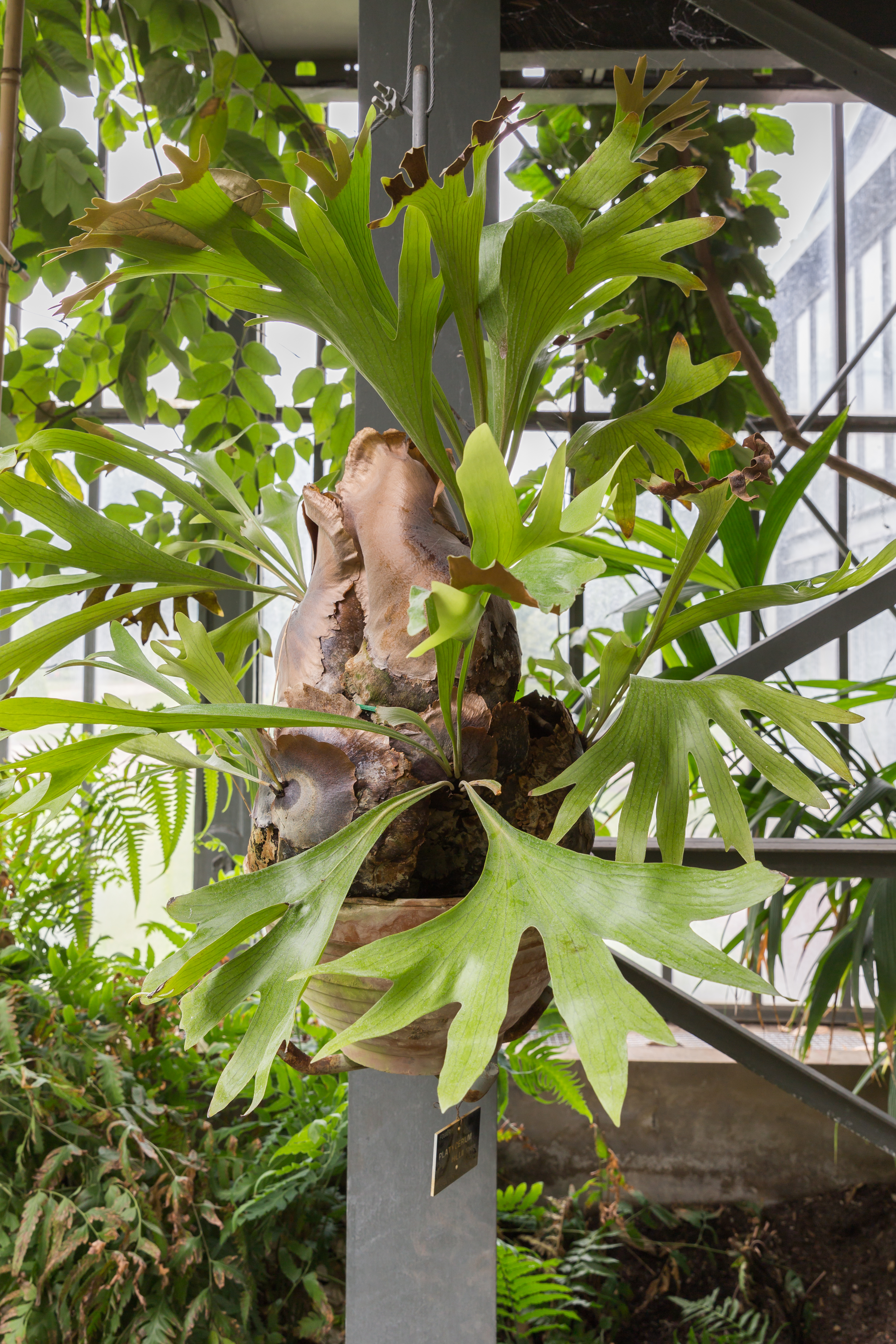
Staghorn Fern
Least ConcernWhat is a staghorn fern? The staghorn fern (Platycerium bifurcatum) is a unique epiphytic fern in the Polypodiaceae family. Native to tropical rainforest canopies, it does not grow in soil; instead, it grows anchored to the bark of trees. It is named for its large, antler-like fronds. What are the two types of leaves on a staghorn fern? It is dimorphic, producing flat, round shield leaves at the base and long, branching fertile leaves.

Royal Fern
Least ConcernWhat is the Royal Fern? Osmunda regalis, the royal fern or flowering fern, is a large deciduous fern in the Osmundaceae family. Found in wetlands globally, it is one of the largest ferns in Europe. It is named 'royal' for its stately size and crown-like fronds. It is also called 'flowering' because its spore-bearing frond tips turn bright golden-brown, resembling flower spikes.

Sensitive Fern
Least ConcernWhat is a sensitive fern? The sensitive fern (Onoclea sensibilis) is a coarse, colonial deciduous fern in the Onocleaceae family. Found in wet habitats across North America and Asia, it is named 'sensitive' because its fronds are highly sensitive to frost, turning black and dying at the first sign of cold. It is also sensitive to dry conditions, wilting quickly if soil moisture declines.

Cinnamon Fern
Least ConcernWhat is a cinnamon fern? The cinnamon fern (Osmundastrum cinnamomeum) is a large, crown-forming deciduous fern in the Osmundaceae family. Native to wet woodlands of North America and East Asia, it is named for the rich, cinnamon-colored woolly hair that covers its fertile fronds. It is a classic understory wetland species, growing in large circular crowns.

Bracken Fern
LCOne of the most widespread plants in the world, forming massive dense fronds in woodlands.

Mosquito Fern
LCA tiny, floating aquatic fern that covers pond surfaces in dense green and red mats.

Licorice Fern
LCAn epiphytic fern that grows abundantly on the mossy branches of bigleaf maples.
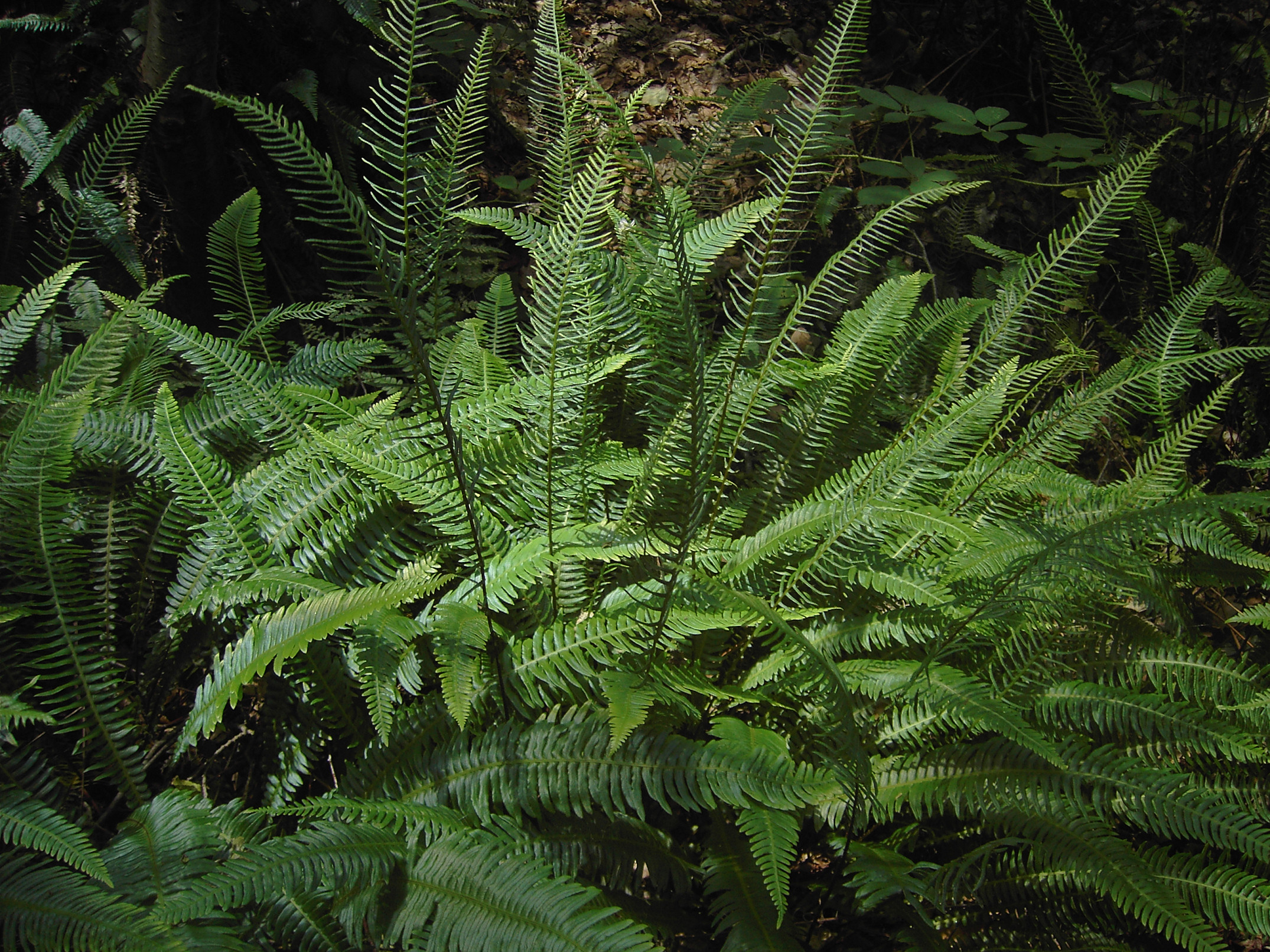
Deer Fern
LCFeatures two distinct types of fronds: flat sterile fronds and upright fertile spikes.

Giant Chain Fern
LCThe largest fern native to North America, forming majestic clumps of arching fronds.

Australian Tree Fern
LCA fast-growing tree fern featuring a slender trunk topped with a crown of lacy fronds.
Resurrection Fern
LCAn epiphytic fern that grows on oak trees and curls up to appear dead when dry.

Adder's Tongue Fern
LCAn unusual fern consisting of a single green leaf and a separate spike resembling a snake's tongue.

Cloak Fern
LCA desert-adapted fern with sticky, hairy leaves that grow from limestone crevices.

Water Clover
LCAn aquatic fern with floating leaves that look exactly like four-leaf clovers.

Interrupted Fern
LCInterrupted Fern gets its name from the gap created in middle of its fronds where spore leaflets grow.

Marsh Fern
LCMarsh Fern is a moisture-loving wetland species that forms extensive colonies in marshy soils.
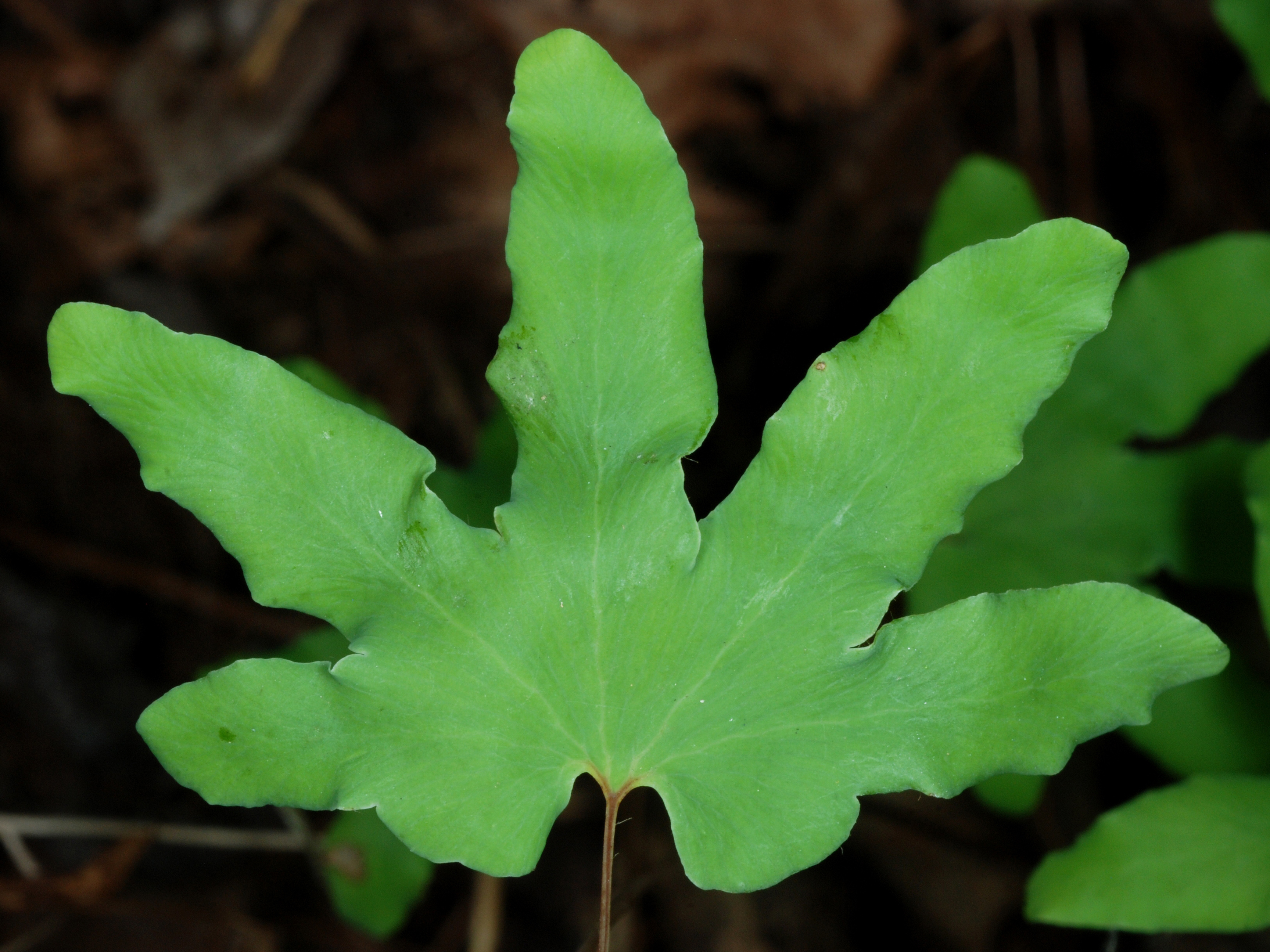
American Climbing Fern
LCAmerican Climbing Fern is one of the few true climbing ferns native to temperate North America.

Walking Fern
LCWalking Fern earns its name by 'walking' across rock surfaces as its leaf tips root and form new plants.

Ebony Spleenwort
LCEbony Spleenwort is a delicate fern recognizable by its glossy, dark ebony-brown central leaf stalks.

Hay-Scented Fern
LCHay-Scented Fern forms lush green carpets that release a fragrant fresh-cut hay scent when crushed.
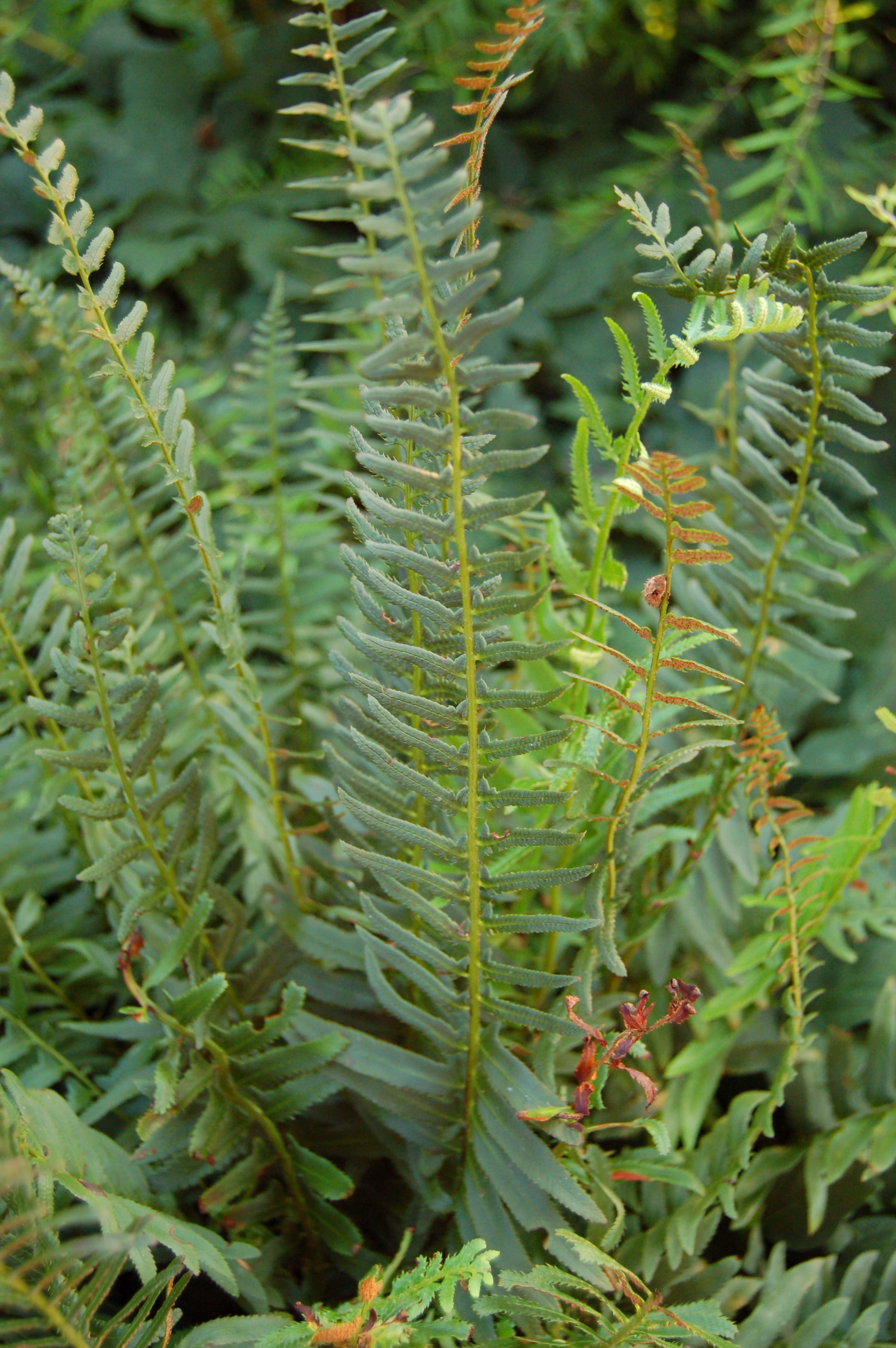
Christmas Fern
LCChristmas Fern is a hardy evergreen fern whose glossy fronds stay green through winter holidays.

Japanese Holly Fern
LCJapanese Holly Fern is an evergreen fern with thick, holly-like glossy green leaflets.

Silver Fern
LCSilver Fern (Ponga) is an iconic tree fern famous for the silvery-white underside of its fronds.

Floating Water Fern
LCFloating Water Fern is a free-floating aquatic fern with water-repellent eggbeater-shaped hairs.