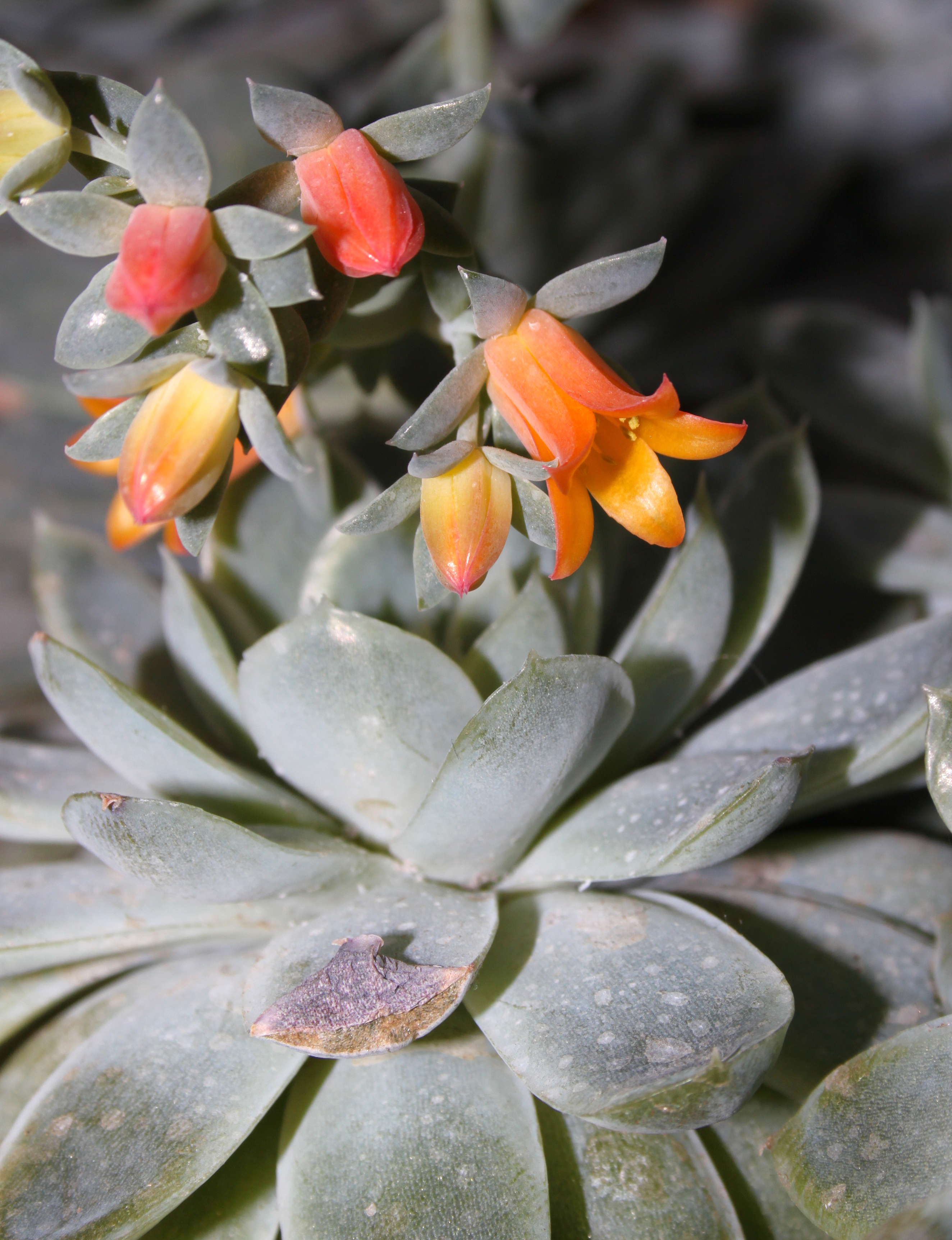
Mexican Snowball
Quick Facts & Botanical Stats
Species Overview
A tight, rosette-forming succulent with powdery, pale blue-green leaves.
Physical Appearance & Anatomy
A visual marvel of the cacti succulents family. A tight, rosette-forming succulent with powdery, pale blue-green leaves.
Habitat & Growth Behavior
Well-adapted to tolerate local conditions in desert regions.
Ecological Role & Symbioses
Contributes to the biodiversity and stability of its ecosystem.
Reproduction, Lifecycle & Propagation
Reproduces seasonally via seeds or spores.
Conservation Status & Environmental Threats
Vulnerable to local habitat modification and climate shifts.
Interesting Fun Facts
- It produces bright pink stalks with bell-shaped yellow flowers in spring.
- Thrives under appropriate sunlight and water access.
Related Plants

Saguaro Cactus
Least ConcernWhat is a Saguaro Cactus? Carnegiea gigantea, the saguaro, is a massive, tree-like cactus species belonging to the Cactaceae family. It is the iconic symbol of the American Southwest and is native exclusively to the Sonoran Desert. Growing slowly over two centuries, the saguaro develops a thick, ribbed trunk and characteristic branching arms. Saguaros are keystone species in their desert ecosystem, providing nesting sites, moisture, and food for dozens of desert animals.

Aloe Vera
Least ConcernWhat is Aloe Vera? Aloe vera is a succulent plant species belonging to the Asphodelaceae family. Cultivated globally for its medicinal and cosmetic uses, it has been prized for thousands of years. The plant is famous for the thick, soothing gel found inside its leaves, which is used to treat burns, wounds, and skin conditions. Aloe vera is a hardy xerophyte, adapted to thrive in hot, arid regions with minimal rainfall.