Cacti & Succulents
Drought-resistant plants characterized by thickened, fleshy parts adapted to store water in arid climates or soils.

Saguaro Cactus
Least ConcernWhat is a Saguaro Cactus? Carnegiea gigantea, the saguaro, is a massive, tree-like cactus species belonging to the Cactaceae family. It is the iconic symbol of the American Southwest and is native exclusively to the Sonoran Desert. Growing slowly over two centuries, the saguaro develops a thick, ribbed trunk and characteristic branching arms. Saguaros are keystone species in their desert ecosystem, providing nesting sites, moisture, and food for dozens of desert animals.

Aloe Vera
Least ConcernWhat is Aloe Vera? Aloe vera is a succulent plant species belonging to the Asphodelaceae family. Cultivated globally for its medicinal and cosmetic uses, it has been prized for thousands of years. The plant is famous for the thick, soothing gel found inside its leaves, which is used to treat burns, wounds, and skin conditions. Aloe vera is a hardy xerophyte, adapted to thrive in hot, arid regions with minimal rainfall.

Jade Plant
Least ConcernWhat is a jade plant? The jade plant (Crassula ovata), commonly known as the friendship tree, lucky plant, or money tree, is a succulent shrub belonging to the Crassulaceae family. Native to South Africa, it is widely grown as an indoor houseplant worldwide. Associated with wealth and good fortune in Asian cultures, it is frequently used in Feng Shui. It is a long-lived perennial characterized by thick, woody stems and fleshy green leaves.
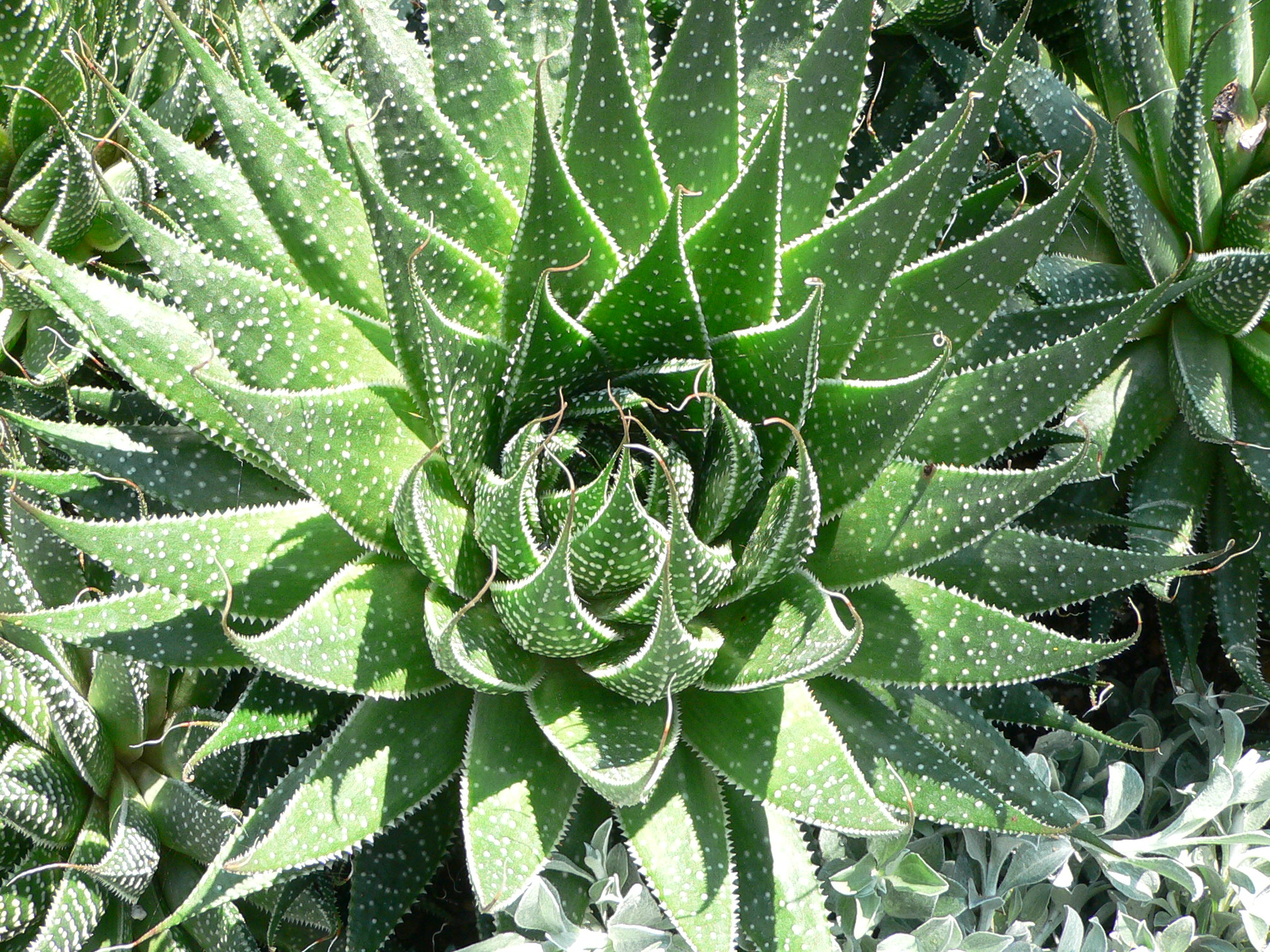
Lace Aloe
Least ConcernWhat is the Lace Aloe? The lace aloe (Aloe aristata, or Aristaloe aristata) is a small succulent plant in the Asphodelaceae family. Native to the mountain ranges of South Africa, it is famous for its compact rosette of leaves lined with white, lace-like teeth and long threads at the tips. Unlike tropical aloes, the lace aloe is cold-hardy, adapted to high-altitude mountain winters.

Zebra Haworthia
Least ConcernWhat is Zebra Haworthia? The zebra haworthia (Haworthiopsis attenuata) is a small succulent plant in the Asphodelaceae family. Native to South Africa, it is famous for its dark green leaves banded with horizontal, bright white, raised tubercles that resemble zebra stripes. It is a shade-loving succulent, adapted to grow under the cover of larger desert shrubs.

Christmas Cactus
VulnerableWhat is a Christmas Cactus? The Christmas cactus (Schlumbergera truncata) is an epiphytic succulent in the Cactaceae family. Is it a desert cactus? No, it is a tropical rainforest cactus that grows attached to trees and rocks in the humid mountains of Brazil. It is globally famous as a holiday houseplant, producing cascades of bright tubular flowers in winter, triggered by short days.

Snake Plant
Least ConcernWhat is a snake plant? The snake plant (Sansevieria trifasciata, or Dracaena trifasciata), commonly known as mother-in-law's tongue, is a succulent perennial in the Asparagaceae family. Native to tropical West Africa, it is one of the most resilient houseplants in the world. It is famous for its stiff, vertical, sword-shaped leaves and its ability to perform CAM photosynthesis, releasing oxygen at night.
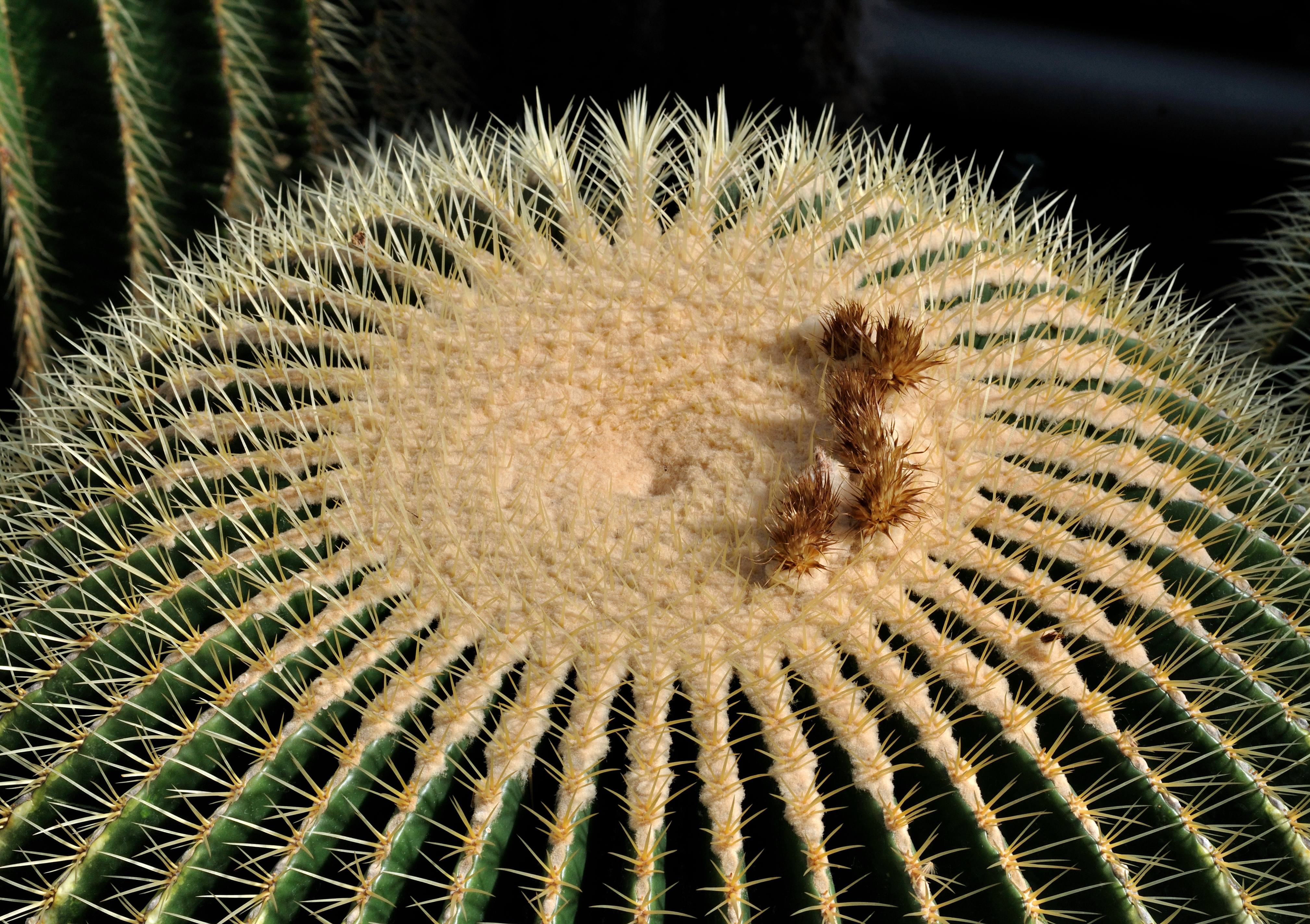
Golden Barrel Cactus
EndangeredWhat is the Golden Barrel Cactus? The golden barrel cactus (Echinocactus grusonii), or mother-in-law's cushion, is a globular cactus in the Cactaceae family. Native to the deserts of Central Mexico, it is famous for its spherical shape and dense covering of bright yellow spines. Is it endangered? Yes, while it is one of the most popular cultivated cacti globally, it is critically endangered in the wild due to habitat flooding from dam construction.
Prickly Pear
Least ConcernWhat is a Prickly Pear? The prickly pear (Opuntia ficus-indica), or nopal, is a large, shrubby cactus in the Cactaceae family. Native to Mexico, it has been cultivated for thousands of years for its edible pads (nopales) and sweet fruit (tunas). It is famous for its flattened, paddle-like stem segments. It has naturalized globally, becoming invasive in some arid regions of Australia and Africa.

String of Pearls
Least ConcernWhat is String of Pearls? The string of pearls (Curio rowleyanus, formerly Senecio rowleyanus) is a creeping, trailing succulent in the Asteraceae family. Native to South Africa, it is famous for its long, thread-like stems lined with small, spherical, green leaves that look like peas or pearls. It is popular as a hanging houseplant and is toxic to pets.

Peyote Cactus
VUA small, spineless button cactus native to the Chihuahuan desert.
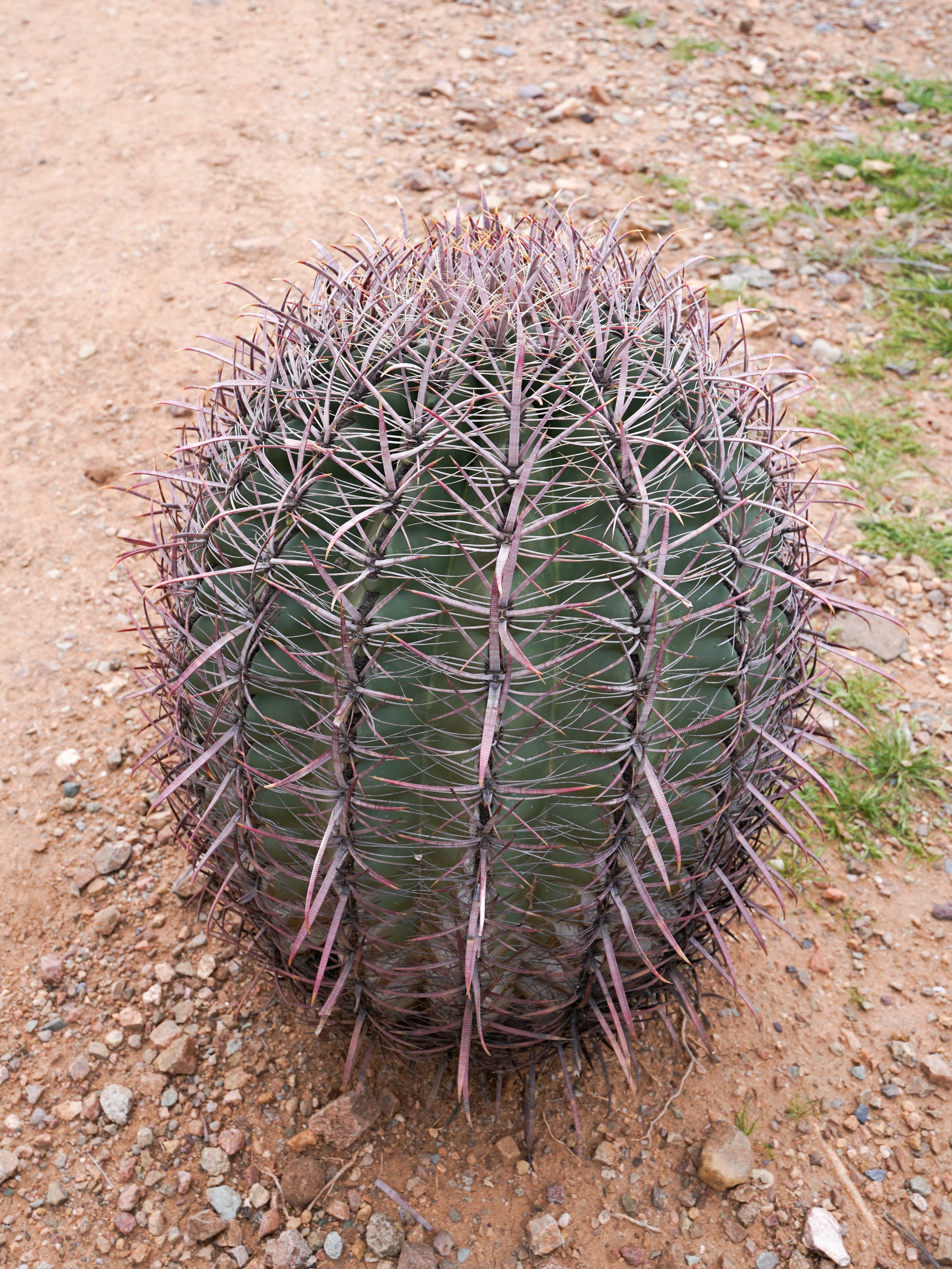
Fishhook Barrel Cactus
LCA stout, barrel-shaped cactus featuring heavy, hooked spines.

Organ Pipe Cactus
LCA multi-stemmed cactus with branches resembling pipe organ tubes.

Old Man Cactus
ENA columnar cactus covered in long, shaggy white hairs.

Agave Americana
LCA massive succulent with gray-green leaves forming a spiky rosette.

Living Stone
LCSmall succulents that mimic stones to avoid being eaten by thirsty desert animals.

Burro's Tail
LCA trailing succulent with long stems covered in plump, teardrop-shaped leaves.
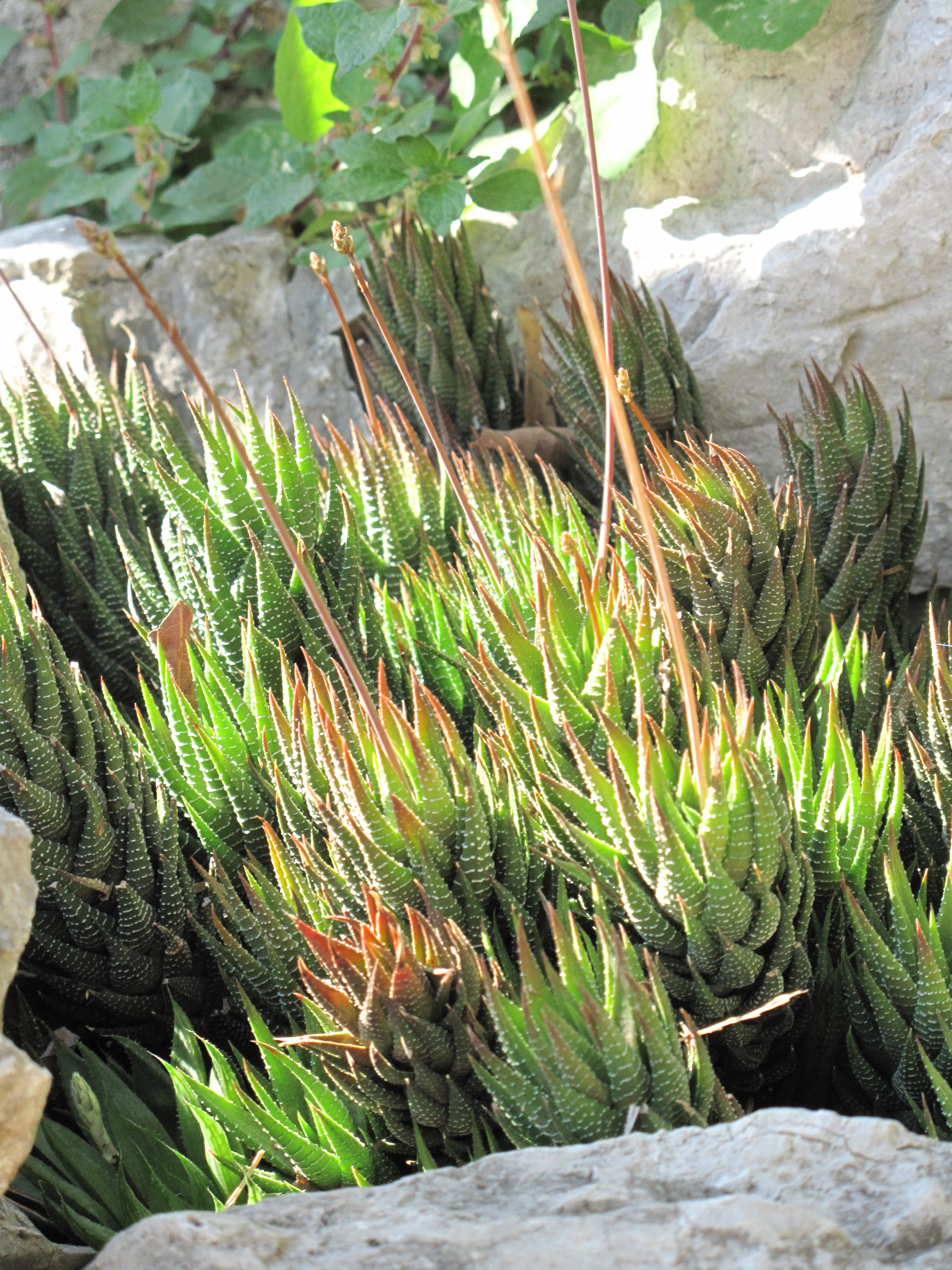
Zebra Plant
LCA small rosette succulent with dark green leaves striped with white warts.
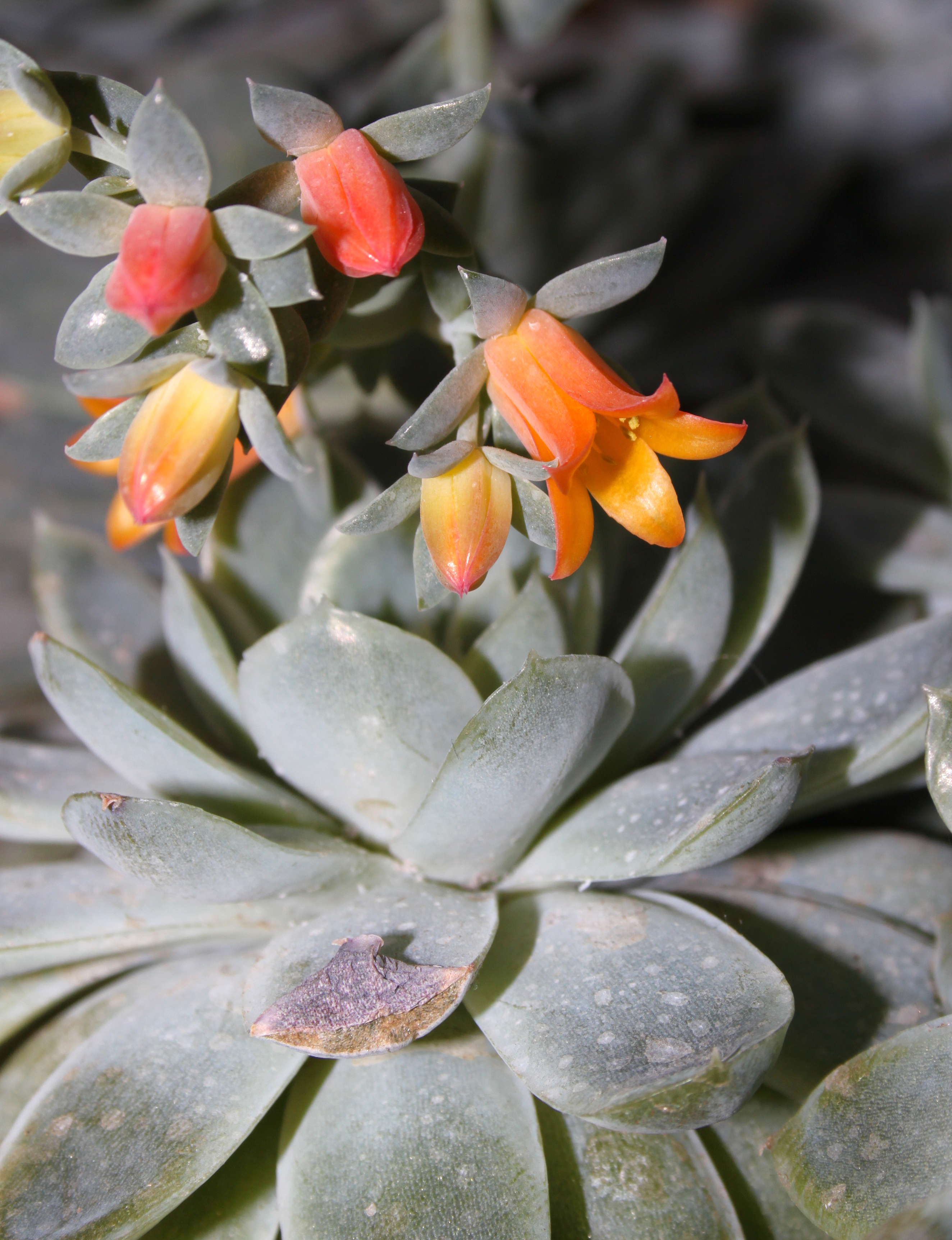
Mexican Snowball
LCA tight, rosette-forming succulent with powdery, pale blue-green leaves.

Elephant Bush
LCA woody, succulent shrub with small green leaves and reddish stems.
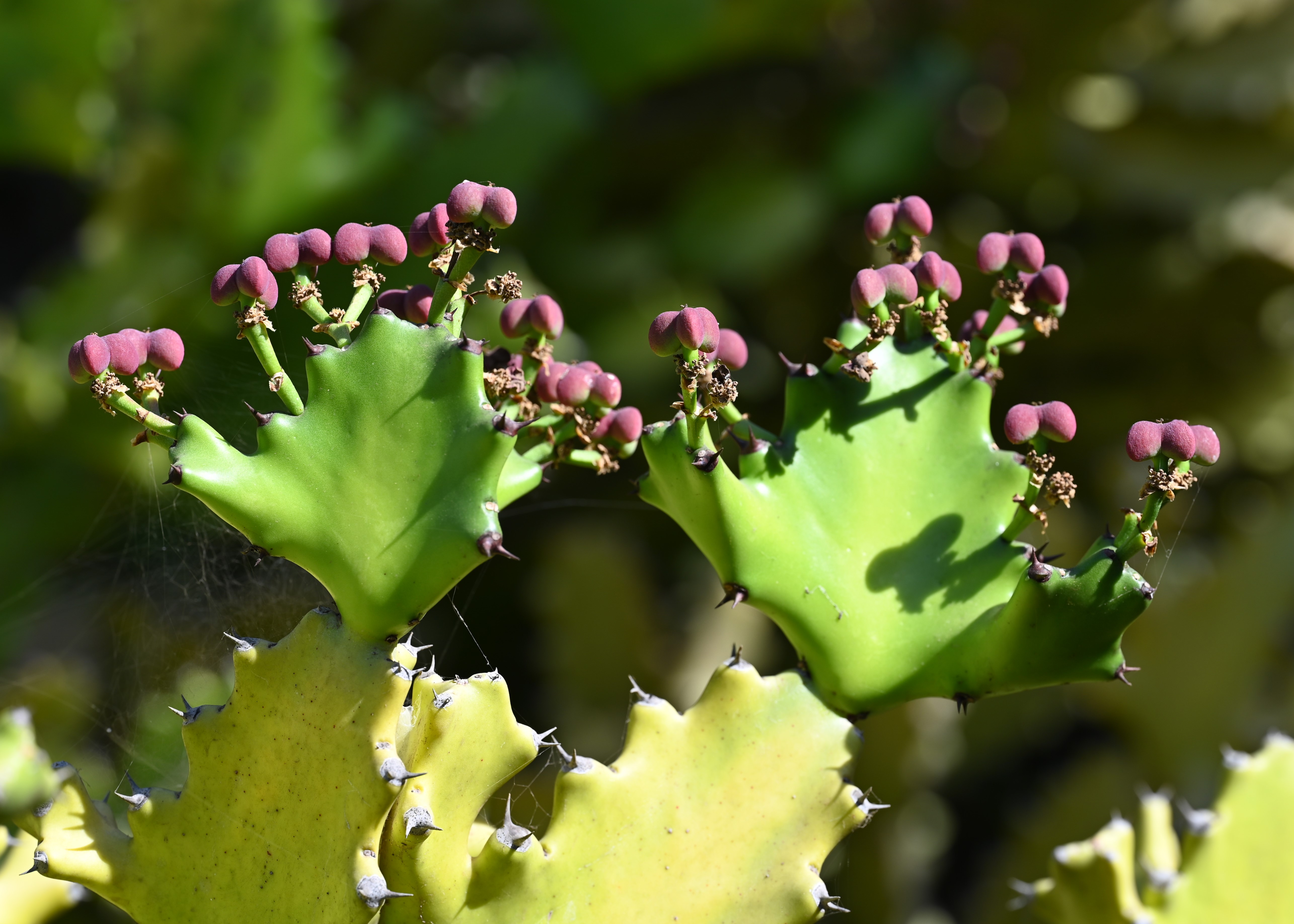
Crested Euphorbia
LCCrested Euphorbia features wavy, fan-shaped crests resembling ocean coral formations.

Pencil Cactus
LCPencil Cactus is a leafless succulent tree composed of tangled pencil-thin green branches.

Teddy Bear Cholla
LCTeddy Bear Cholla appears deceptively soft and fuzzy due to a dense golden coat of barbed spines.

Blue Barrel Cactus
LCBlue Barrel Cactus is a striking spherical cactus featuring glaucous turquoise-blue ribs and yellow spines.

Cooper's Haworthia
LCCooper's Haworthia is a gem-like succulent with translucent windowed leaf tips that glow in sunlight.

Spiral Aloe
NTSpiral Aloe is world-famous for its perfect five-tiered geometric spiral leaf layout.
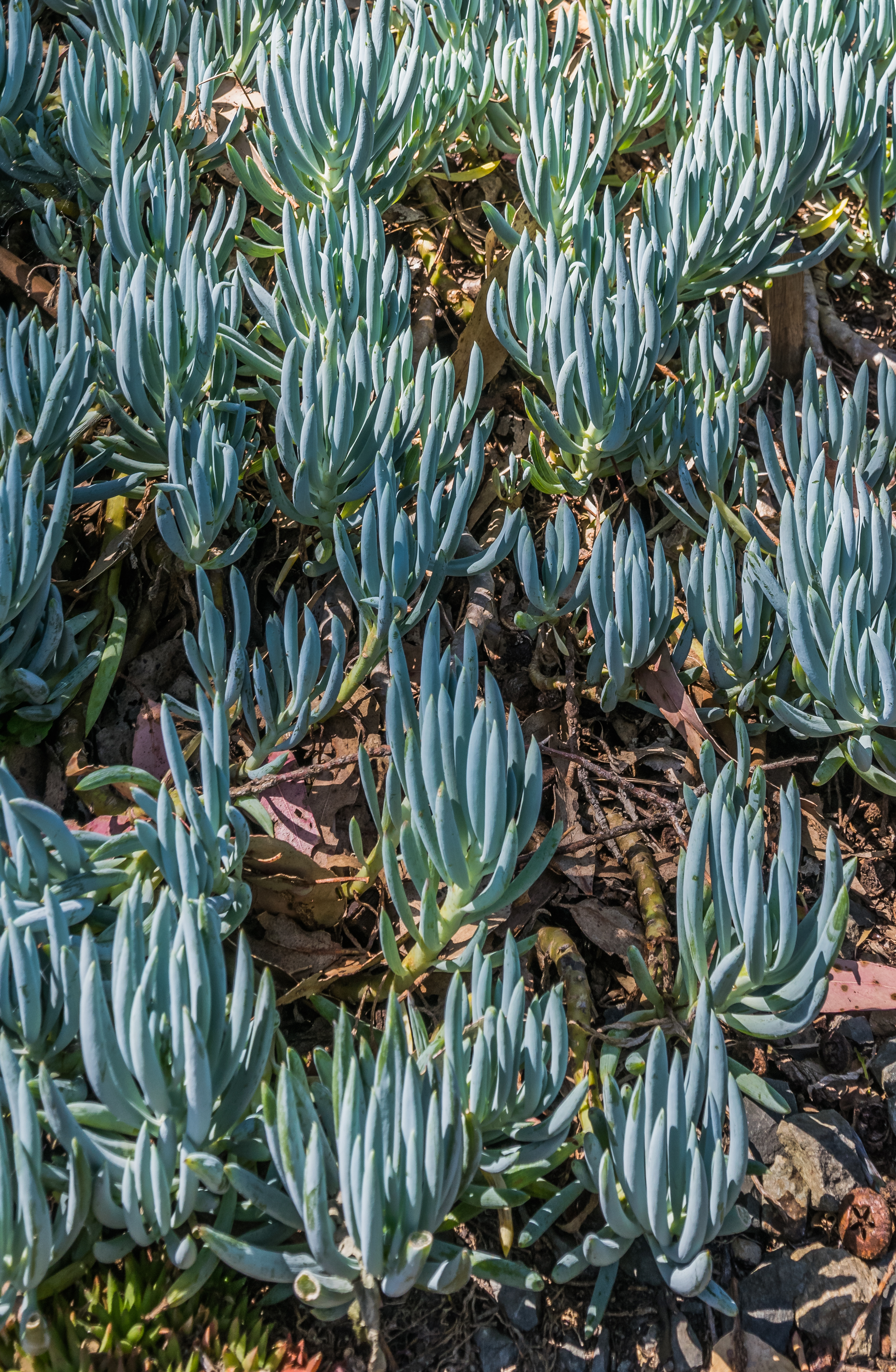
Blue Chalksticks
LCBlue Chalksticks is a groundcover succulent with powdery silver-blue, chalk-like cylindrical leaves.

Panda Plant
LCPanda Plant is a velvety succulent famous for its soft white felt-covered leaves edged in chocolate dots.

Blue Agave
LCBlue Agave is a famous succulent with rigid blue-spiked leaves, essential for producing tequila.

Queen Victoria Agave
LCQueen Victoria Agave is a compact, highly geometric succulent with white painted leaf margins.