
Clove Carnation
Quick Facts & Botanical Stats
Species Overview
What is a carnation? The clove carnation (Dianthus caryophyllus) is a popular herbaceous perennial plant belonging to the Caryophyllaceae family. Cultivated for over 2,000 years, it is famous for its sweet, clove-like fragrance, ruffled petals, and long vase life, making it a staple of the floral industry. It is a symbol of motherly love and the official flower of Mother's Day.
Physical Appearance & Anatomy
What does a carnation look like? Carnations have slender, branched, greyish-green stems that grow from a woody base. The leaves are narrow, opposite, glaucous green, and coated in a waxy bloom. How do carnation flowers look? The flowers grow singly or in small clusters. Wild carnations have five petals with fringed margins and are bright pinkish-purple. Cultivated varieties have double flowers with up to 60 ruffled petals, in white, red, yellow, and green.
Habitat & Growth Behavior
Where do carnations grow in the wild? Wild carnations grow on sunny, rocky limestone cliffs and gravelly slopes in the Mediterranean. They require excellent drainage, slightly alkaline soils, and full sun. They are adapted to warm, dry summers and cold, dry winters. The waxy coating on their leaves acts as a barrier, preventing water loss in hot weather.
Ecological Role & Symbioses
What pollinators do carnations attract? The sweet fragrance and bright colors attract long-tongued insect pollinators, including butterflies, moths, and bees, which reach the nectar at the base of the tubular flower. Are carnations eaten by pests? In gardens, their leaves are eaten by caterpillars and mites, but their wild counterparts are relatively deer-resistant due to their tough leaves.
Reproduction, Lifecycle & Propagation
How do carnations reproduce? Carnations reproduce sexually via insect pollination, producing capsules filled with tiny black seeds. They also propagate easily from vegetative stem cuttings, which is the primary commercial propagation method. They grow rapidly, blooming from late spring through summer, and live for 3 to 5 years before becoming woody.
Conservation Status & Environmental Threats
Dianthus caryophyllus is classified as Least Concern. Cultivated carnations are grown in greenhouses globally. Wild populations in Southern Europe are restricted but stable, facing minor threats from tourism development on coastal cliffs and agricultural runoff. They are protected in national park systems.
Interesting Fun Facts
- Carnations have been cultivated for over 2,000 years, mentioned by ancient Greek writers who called them 'dianthus', meaning 'flower of the gods'.
- The red carnation is the official symbol of Mother's Day, chosen by founder Anna Jarvis in 1908.
- Carnation flowers can be dyed different colors by putting their cut stems in water with food coloring.
- They have a natural clove-like scent, which comes from the compound eugenol.
Related Plants
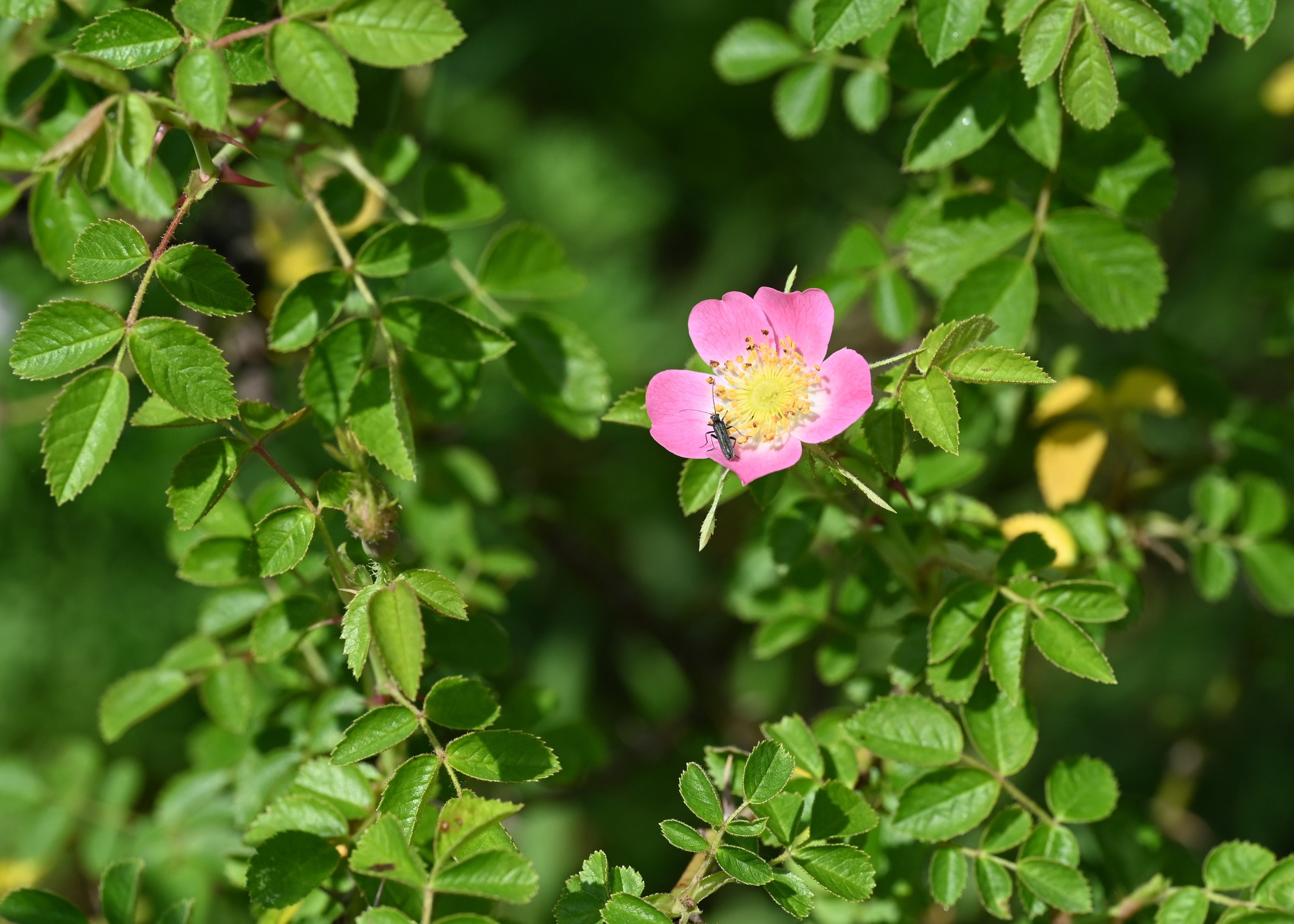
Garden Rose
Least ConcernWhat is a rose? The rose (Rosa rubiginosa) is a woody perennial flowering plant belonging to the Rosaceae family. Renowned globally for its ornamental beauty, fragrant blooms, and cultural significance, the rose is one of the most widely cultivated flowers. Roses grow as erect shrubs, climbing vines, or trailing groundcovers, often armed with sharp thorns that serve as physical defenses. In addition to their aesthetic appeal, roses yield rose hips, which are rich in Vitamin C and used in teas, syrups, and skincare products.

Garden Mum
Least ConcernWhat is a chrysanthemum? The garden mum (Chrysanthemum morifolium) is a popular autumn-blooming herbaceous perennial in the Asteraceae family. First cultivated in China in the 15th century BC, it is highly valued for its ornamental flowers, herbal teas, and natural insecticidal properties. The chrysanthemum is a symbol of autumn and holds deep cultural status in East Asia.