Flowering Plants
Angiosperms are the most diverse group of land plants, characterized by flowers, endosperm within their seeds, and the production of fruits that contain the seeds.
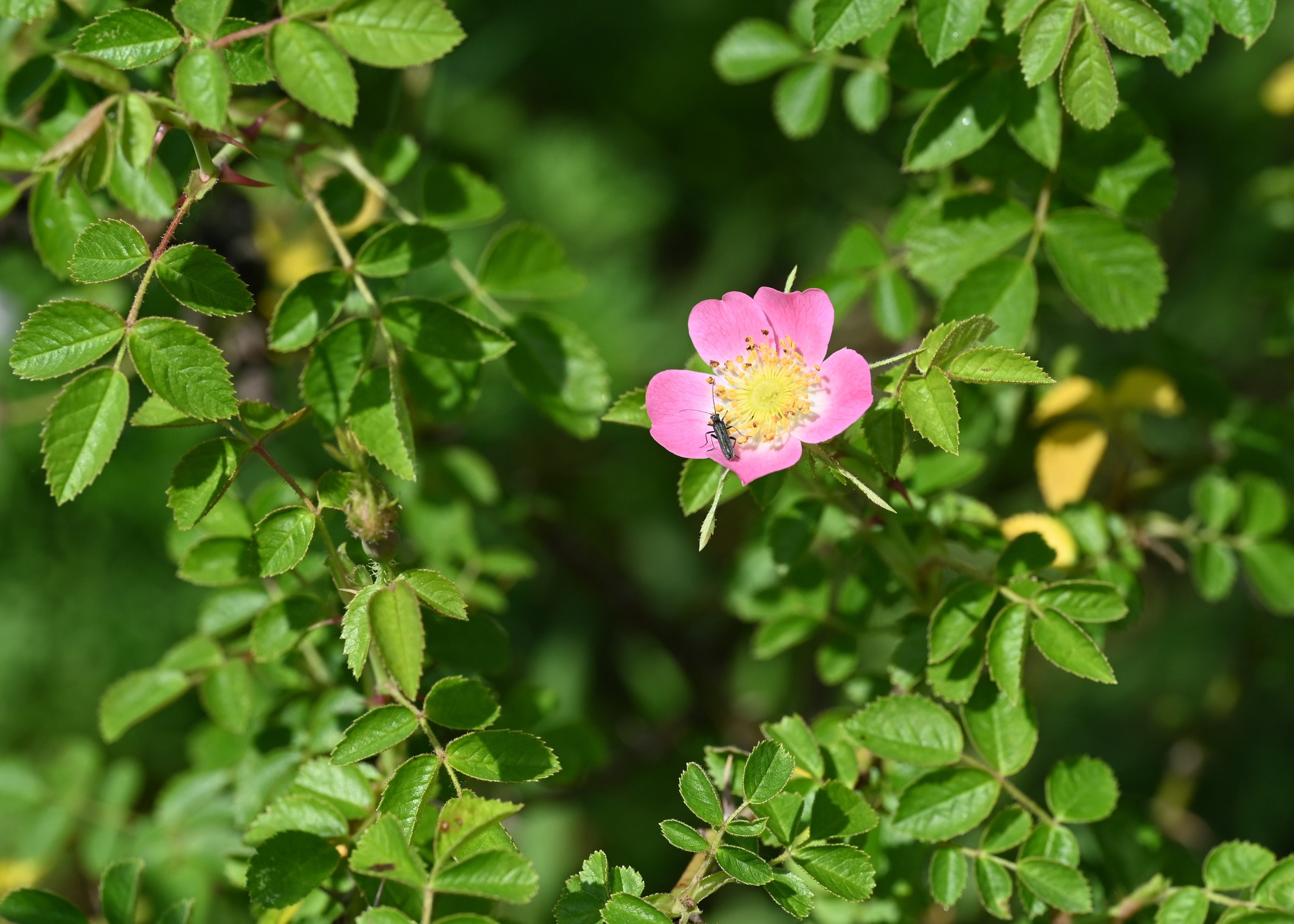
Garden Rose
Least ConcernWhat is a rose? The rose (Rosa rubiginosa) is a woody perennial flowering plant belonging to the Rosaceae family. Renowned globally for its ornamental beauty, fragrant blooms, and cultural significance, the rose is one of the most widely cultivated flowers. Roses grow as erect shrubs, climbing vines, or trailing groundcovers, often armed with sharp thorns that serve as physical defenses. In addition to their aesthetic appeal, roses yield rose hips, which are rich in Vitamin C and used in teas, syrups, and skincare products.

Common Sunflower
Least ConcernWhat is a sunflower? The common sunflower (Helianthus annuus) is an annual herbaceous plant belonging to the Asteraceae (daisy) family. Native to North America, it is globally famous for its massive yellow flower heads that track the sun across the sky during their immature stage. Sunflowers are widely cultivated for their edible seeds, high-quality cooking oil, and ornamental value. They are also known for their phytoremediation capabilities, meaning they can extract toxic heavy metals and radiation from contaminated soils.

Moth Orchid
Least ConcernWhat is a moth orchid? The moth orchid (Phalaenopsis amabilis) is an epiphytic perennial plant belonging to the Orchidaceae family, one of the two largest families of flowering plants. Native to the warm, humid rainforests of Southeast Asia, it grows attached to the bark of trees rather than in soil. Known for its elegant, long-lasting flowers that resemble moths in flight, it is highly popular as an indoor houseplant and is a national flower of Indonesia.

Giant Water Lily
VulnerableWhat is the Giant Water Lily? Victoria amazonica is the largest species of the Nymphaeaceae family of water lilies. Native to the slow-moving rivers and lagoons of the Amazon Rainforest, it is famous for its colossal floating leaves that can grow up to 3 meters (10 feet) in diameter. These leaves possess turned-up rims and are structurally reinforced on their undersides with air-filled ribs, allowing them to support the weight of a small child. The plant features a unique pollination relationship with scarab beetles.
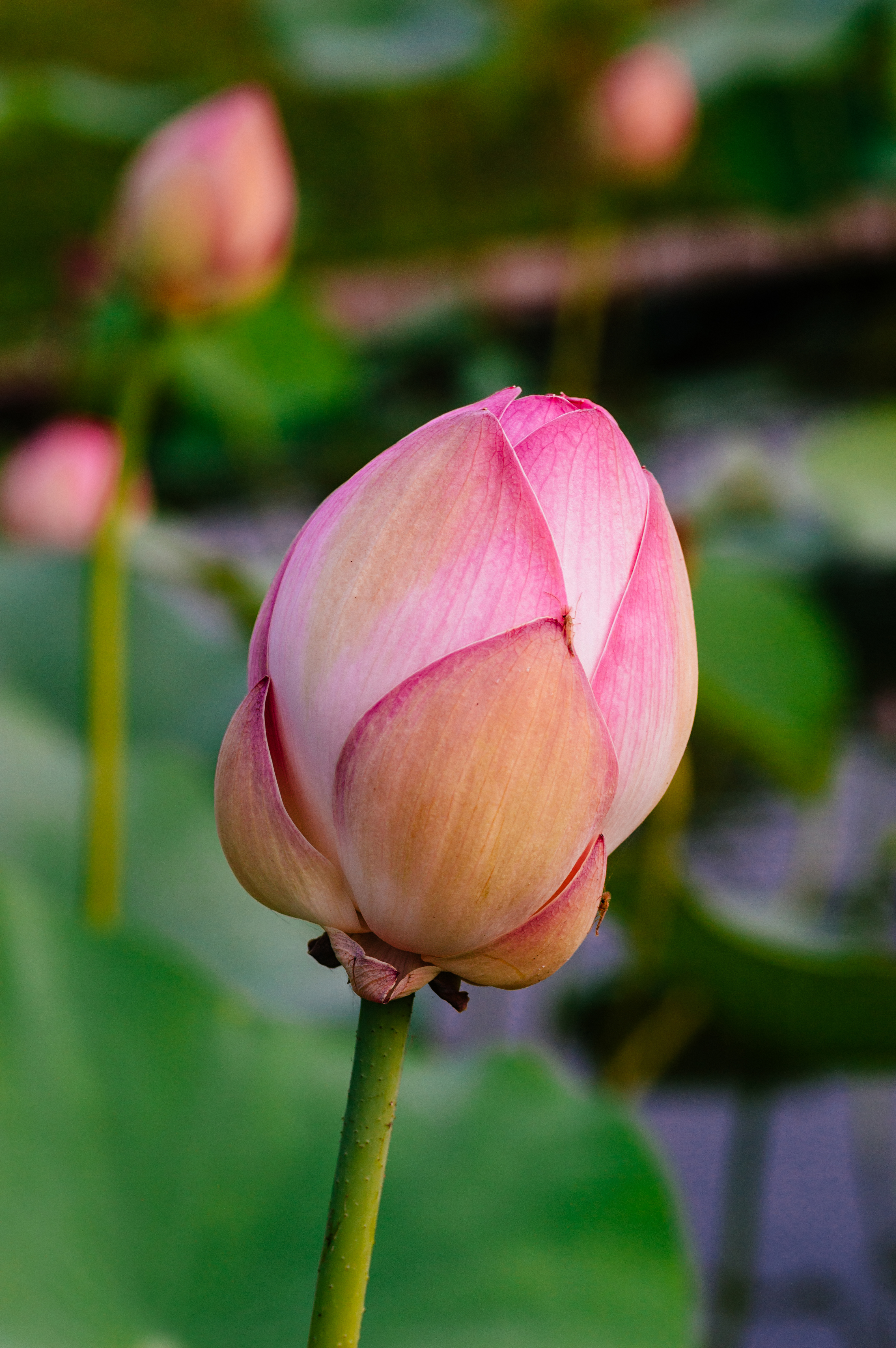
Sacred Lotus
Least ConcernWhat is the Sacred Lotus? Nelumbo nucifera, known as the sacred lotus, is an aquatic perennial plant famous for its symbolic, pristine blooms that rise above muddy waters. Often confused with water lilies, the lotus belongs to a distinct family, Nelumbonaceae. Native to Asia, the plant holds deep spiritual and cultural significance in Hinduism and Buddhism. It is also famous for the 'lotus effect'—the self-cleaning properties of its water-repellent leaves.

English Lavender
Least ConcernWhat is lavender? English lavender (Lavandula angustifolia) is a highly aromatic perennial shrub in the Lamiaceae (mint) family. Globally valued for its soothing fragrance, striking purple flower spikes, and essential oils, it is a staple of cosmetics, herbal medicine, and culinary arts. It is adapted to dry climates, possessing narrow, silvery-green leaves that reduce transpiration.

Garden Tulip
Least ConcernWhat is a tulip? The garden tulip (Tulipa gesneriana) is a spring-blooming herbaceous perennial plant arising from underground bulbs, belonging to the Liliaceae family. Native to Central Asia and popularized in Turkey, it became the subject of 'Tulip Mania' in 17th-century Holland. Today, it is one of the most popular ornamental flowers in the world, with thousands of registered cultivars.

Wild Daffodil
Least ConcernWhat is a daffodil? The wild daffodil (Narcissus pseudonarcissus) is a spring-flowering bulbous perennial in the Amaryllidaceae family. Famous for its bright yellow, trumpet-shaped flowers, it carpet-forests woodlands across Western Europe. Every part of the plant contains toxic alkaloids (lycorine) which protect it from pests and herbivores, making it highly resilient.

Clove Carnation
Least ConcernWhat is a carnation? The clove carnation (Dianthus caryophyllus) is a popular herbaceous perennial plant belonging to the Caryophyllaceae family. Cultivated for over 2,000 years, it is famous for its sweet, clove-like fragrance, ruffled petals, and long vase life, making it a staple of the floral industry. It is a symbol of motherly love and the official flower of Mother's Day.

Garden Mum
Least ConcernWhat is a chrysanthemum? The garden mum (Chrysanthemum morifolium) is a popular autumn-blooming herbaceous perennial in the Asteraceae family. First cultivated in China in the 15th century BC, it is highly valued for its ornamental flowers, herbal teas, and natural insecticidal properties. The chrysanthemum is a symbol of autumn and holds deep cultural status in East Asia.

French Marigold
Least ConcernWhat is a marigold? The French marigold (Tagetes patula) is a compact herbaceous annual plant in the Asteraceae family. Despite its common name, it is native to the highlands of Mexico. Highly popular in companion planting, it releases chemical compounds from its roots that deter harmful nematodes. It has rich cultural ties to the Mexican Day of the Dead (Día de los Muertos).

French Hydrangea
Least ConcernWhat is a hydrangea? The French hydrangea (Hydrangea macrophylla) is a deciduous woody shrub in the Hydrangeaceae family. Native to Japan, it is globally famous for its massive, globe-shaped flower heads. It is famous for a unique chemical trait: the color of its flowers changes dynamically based on the acidity (pH) and aluminum content of the soil in which it grows.

Chinese Hibiscus
Least ConcernWhat is a hibiscus? The Chinese hibiscus (Hibiscus rosa-sinensis) is a tropical evergreen shrub belonging to the Malvaceae family. Famous for its massive, funnel-shaped flowers and bright red petals, it is a classic symbol of tropical beauty and is the national flower of Malaysia. The flowers are edible and widely used to make tart, vitamin-rich herbal teas and traditional remedies.

Paper Flower
Least ConcernWhat is bougainvillea? Bougainvillea spectabilis is a thorny, woody climbing vine belonging to the Nyctaginaceae family. Native to Brazil, it is globally famous for its spectacular cascades of vibrant, paper-like colors. The actual flowers are tiny and white; the famous colorful 'petals' are actually modified leaves called bracts that surround the flowers to attract pollinators.

Common Jasmine
Least ConcernWhat is jasmine? Common jasmine (Jasminum officinale) is a deciduous climbing vine in the Oleaceae (olive) family. Globally famous for its intense, sweet, exotic fragrance, it is a key ingredient in perfumes, aromatherapy, and green jasmine teas. Native to the valleys of the Himalayas, it is a vigorous climber that uses its twisting stems to ascend structures.

Common Lilac
Least ConcernWhat is a lilac? The common lilac (Syringa vulgaris) is a large deciduous woody shrub in the Oleaceae family. Famous for its highly fragrant, dense purple flower clusters that bloom for a brief period in late spring, it is a beloved heritage garden plant. Native to the rocky hillsides of the Balkans, it is exceptionally long-lived and cold-hardy.

Common Morning Glory
Least ConcernWhat is a morning glory? The common morning glory (Ipomoea purpurea) is an annual herbaceous climbing vine in the Convolvulaceae family. Famous for its funnel-shaped flowers that open in the early morning and close by afternoon, it is a fast-growing climber. Native to Mexico, its seeds contain ergoline alkaloids and have historical use in Aztec spiritual rituals.

Asian Bleeding Heart
Least ConcernWhat is a bleeding heart? The Asian bleeding heart (Lamprocapnos spectabilis) is a herbaceous perennial in the Papaveraceae (poppy) family. Native to damp woodlands of East Asia, it is famous for its arching stems lined with dangling, heart-shaped pink and white flowers. It is a spring ephemeral, meaning it dies back completely during summer heat.
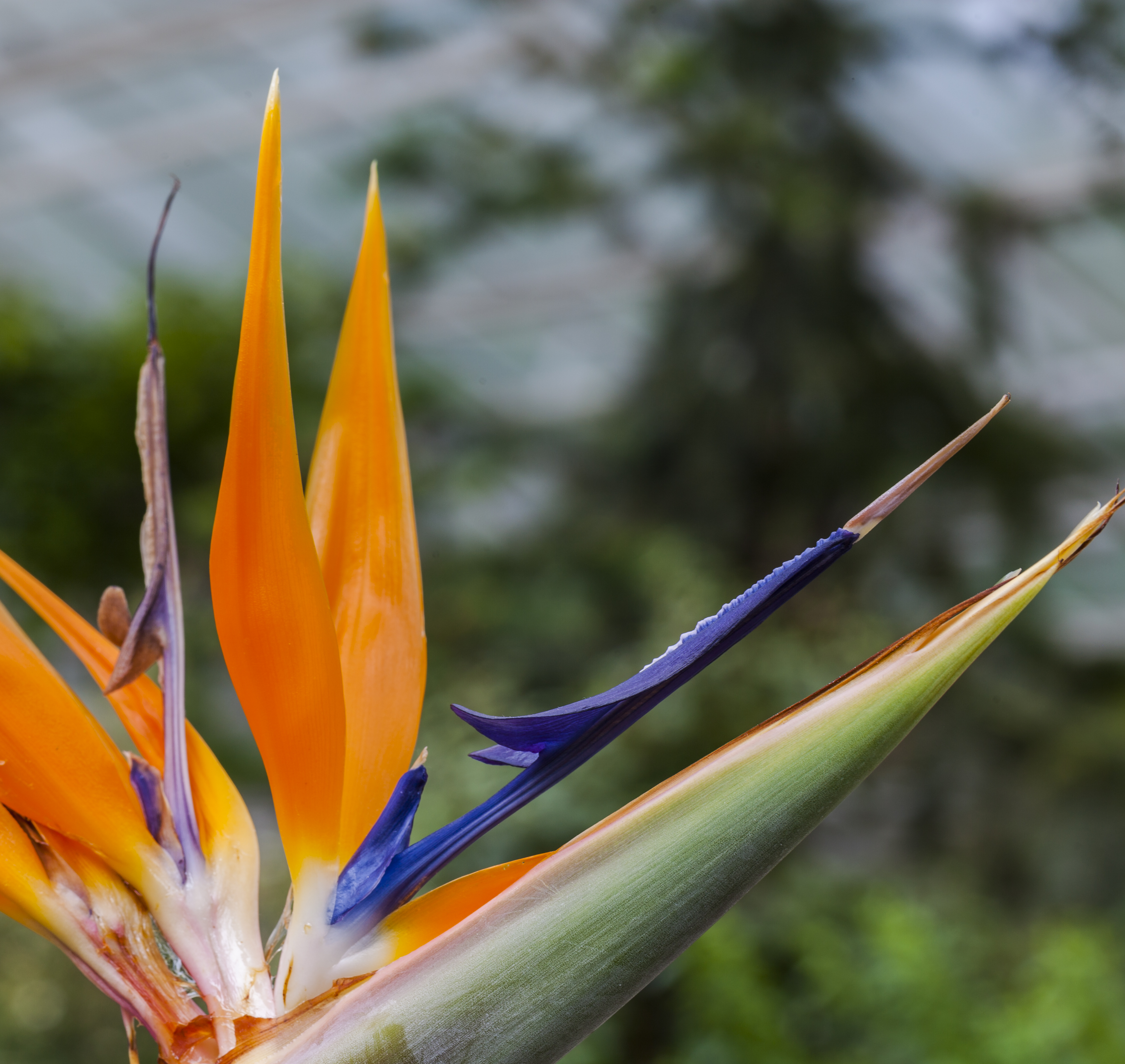
Bird of Paradise
Least ConcernWhat is the Bird of Paradise? Strelitzia reginae, the bird of paradise or crane flower, is a large evergreen perennial plant in the Strelitziaceae family. Native to South Africa, it is famous for its unique, exotic flowers that look like a tropical bird in flight. It is highly popular in warm-climate landscaping and is the official flower of the city of Los Angeles.

Common Dandelion
LCA hardy perennial herb known for its bright yellow flower heads that turn into white seed globes.

White Clover
LCA creeping perennial plant famous for its three-lobed leaves and ball-like white flower heads.

Common Daisy
LCA classic European species with a yellow disc center surrounded by delicate white petals.

Common Poppy
LCAn annual herbaceous plant famous for its large, vibrant red flowers with dark centers.

Desert Marigold
LCA desert annual or short-lived perennial forming a clump of woolly yellow flowers.

Sea Lavender
LCA salt-tolerant coastal plant with spray-like clusters of tiny lavender-colored flowers.

Bird-nest Orchid
LCA brownish, leafless orchid that derives all of its nutrients from a symbiotic fungus.

Alpine Forget-Me-Not
LCA low-growing plant with striking, small sky-blue flowers with bright yellow centers.

Giant Hibiscus
LCA tropical shrub featuring huge, bell-shaped blossoms of white, pink, or yellow.
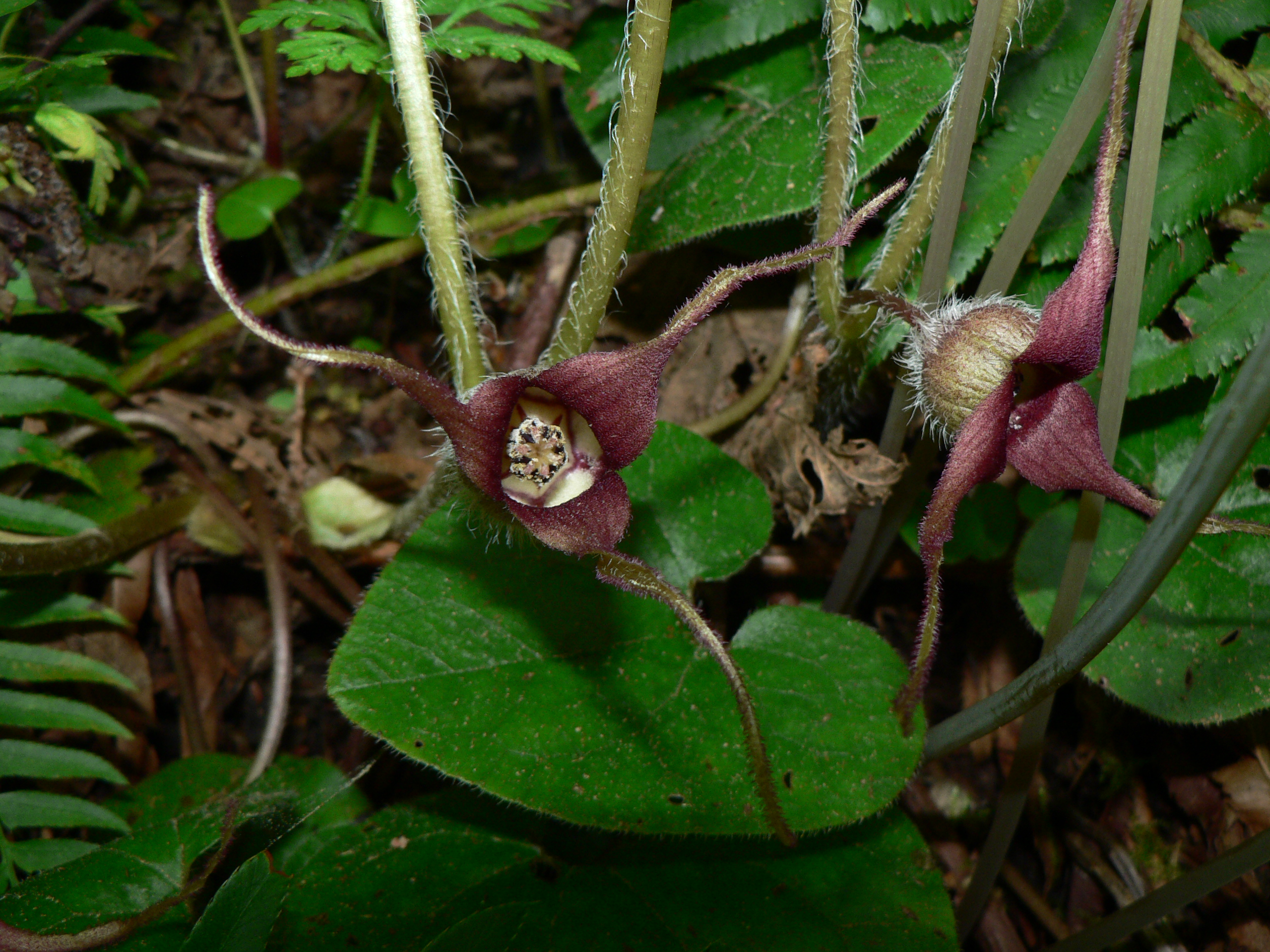
Wild Ginger
LCA shade-loving ground cover with heart-shaped leaves and unusual, cup-shaped maroon flowers.
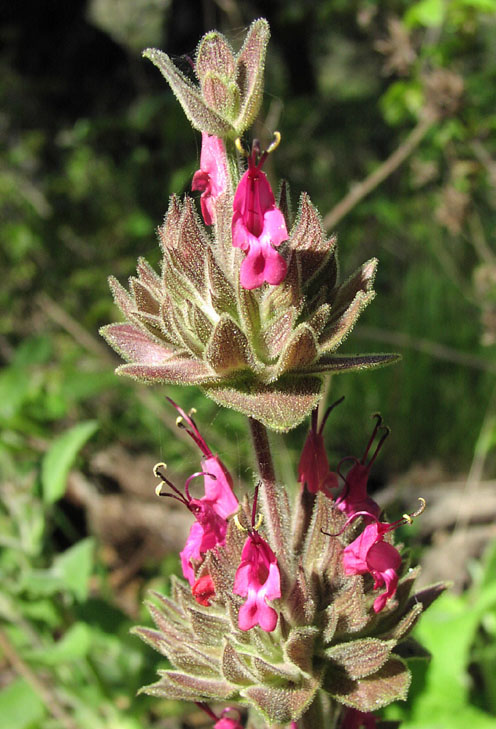
Pitcher Sage
LCA highly aromatic sage featuring tall spikes of magenta-pink flowers rising from woolly foliage.

Crimson Clover
LCAn annual clover native to Europe, featuring elongated, deep-crimson flower spikes.

Broadleaf Plantain
LCA very common broadleaf weed with rosette-forming leaves and tall seed spikes.
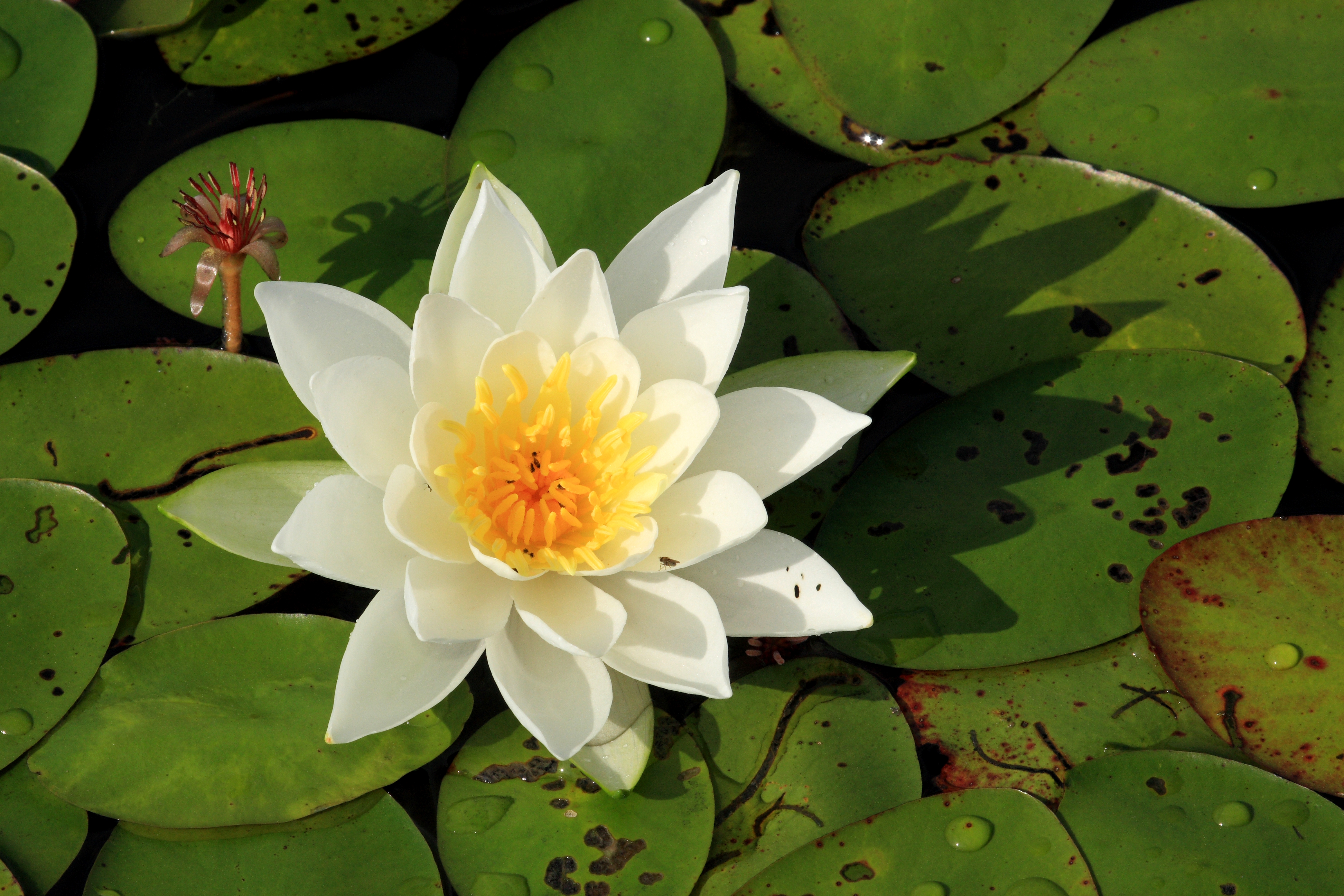
American White Water Lily
LCAn aquatic plant with large round floating leaves and fragrant white multi-petaled flowers.

Yellow Pond Lily
LCA freshwater plant with large heart-shaped leaves and cup-like yellow blossoms.

Red Clover
LCRed Clover is a nitrogen-fixing perennial herb widely recognized for its vibrant pinkish-purple flower heads.

Passion Flower
LCPassion Flower is a fast-growing perennial vine celebrated for its intricate, alien-like purple and white blossoms.

Common Snapdragon
LCCommon Snapdragon is a beloved flowering plant known for its dragon-head flowers that open when squeezed.

Common Foxglove
LCFoxglove is a dramatic biennial plant bearing tall spires of speckled tubular purple flowers.

Black-Eyed Susan
LCBlack-Eyed Susan is a bright wildflower featuring golden yellow petals surrounding a dark brown central cone.

Common Zinnia
LCCommon Zinnia is a popular annual known for its vivid, long-lasting blooms in almost every color.

Garden Peony
LCGarden Peony is a long-lived perennial famous for its giant, lush, intensely fragrant blossoms.

Wood Anemone
LCWood Anemone is an early spring ephemera that blankets forest floors with delicate star-like white flowers.

Common Bluebell
LCCommon Bluebell is famous for creating striking violet-blue carpet carpets across spring woodlands.

Common Snowdrop
NTCommon Snowdrop is one of the earliest spring flowers, often pushing directly through ice and snow.

Frangipani
LCFrangipani is a tropical tree world-renowned for its intensely sweet-scented, velvety five-petaled blossoms.

Japanese Camellia
LCJapanese Camellia is an elegant evergreen shrub prized for its glossy leaves and exquisite winter blooms.