Garden Rose
Quick Facts & Botanical Stats
Species Overview
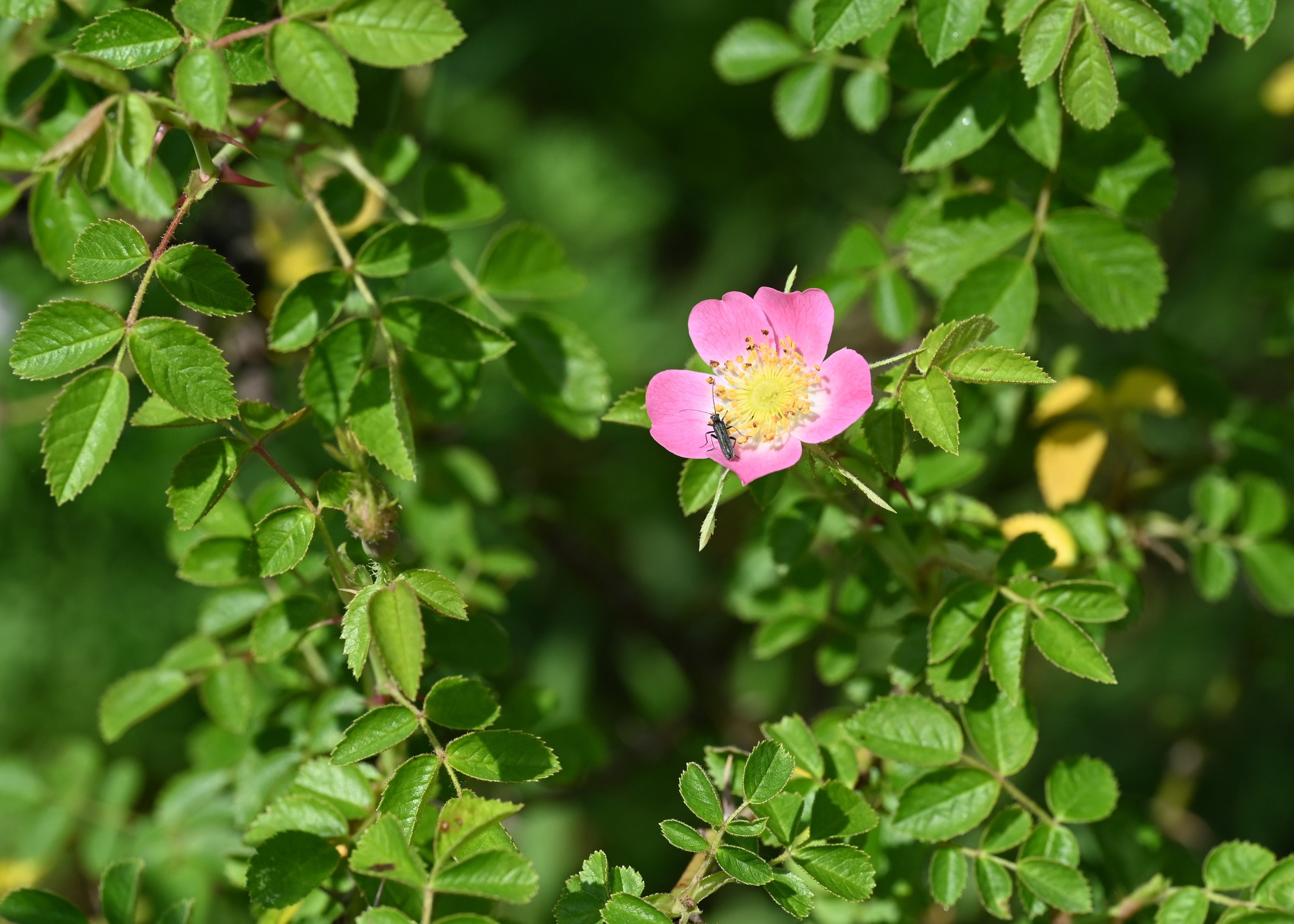
What is a rose? The rose (Rosa rubiginosa) is a woody perennial flowering plant belonging to the Rosaceae family. Renowned globally for its ornamental beauty, fragrant blooms, and cultural significance, the rose is one of the most widely cultivated flowers. Roses grow as erect shrubs, climbing vines, or trailing groundcovers, often armed with sharp thorns that serve as physical defenses. In addition to their aesthetic appeal, roses yield rose hips, which are rich in Vitamin C and used in teas, syrups, and skincare products.
Physical Appearance & Anatomy
What does a rose look like? Roses feature compound leaves with serrated margins and alternate arrangement along the stem. Their stems are typically covered in sharp prickles (commonly called thorns) which are epidermal outgrowths that deter herbivores and aid in climbing. How big do roses grow? Depending on the variety, garden roses typically grow as shrubs ranging from 1.5 to 3 meters (5 to 10 feet) in height, while climbing varieties can reach up to 7 meters. The flowers are radially symmetrical, composed of multiple layers of overlapping petals that can range in color from deep red and soft pink to bright yellow, white, and orange. The base of the flower develops into a fleshy, seed-filled red or orange fruit known as a rose hip.
Habitat & Growth Behavior
Where do roses grow in the wild? Wild roses are widely distributed throughout temperate regions of the Northern Hemisphere, including Europe, Asia, and North America. They thrive in well-drained, nutrient-rich soils and require sunny locations to bloom optimally, ideally receiving at least six hours of direct sunlight daily. Roses are temperate deciduous or evergreen plants that enter dormancy during winter months to survive cold temperatures. They exhibit phototropism, growing towards light sources, and produce fragrant compounds to attract pollinators.
Ecological Role & Symbioses
What pollinators do roses attract? Roses play a vital role in temperate ecosystems by attracting diverse pollinators, including honeybees, bumblebees, butterflies, and hoverflies, which feed on their abundant pollen. The dense, thorny structure of rose bushes provides excellent nesting sites and protective cover for small birds and mammals from predators. What animals eat roses? Herbivores such as deer, rabbits, and various caterpillar species feed on the leaves and tender shoots of roses. In autumn, birds and small rodents consume the nutrient-dense rose hips, helping to disperse the seeds through their droppings.
Reproduction, Lifecycle & Propagation
How do roses reproduce? Roses reproduce sexually through insect pollination, where bees transfer pollen from the anthers to the stigma. Once fertilized, the ovary swells to form the rose hip containing the seeds. They also propagate vegetatively (asexually) through stem cuttings, budding, and layering, which is the primary method used by horticulturists to maintain specific cultivar traits. Garden roses are long-lived perennials, often surviving for 15 to 30 years with proper care, while some wild species can live for over a century.
Conservation Status & Environmental Threats
Garden roses and wild rose species are classified as Least Concern on the IUCN Red List. They are abundant globally due to widespread cultivation. However, localized wild populations face minor threats from habitat loss due to agricultural expansion and competition from invasive plant species. In cultivation, roses are susceptible to various fungal pathogens such as black spot and powdery mildew, as well as pests like aphids and spider mites, which are managed through selective breeding and sustainable gardening practices.
Interesting Fun Facts
- The oldest living rose bush in the world is believed to be over 1,000 years old, growing on the walls of Germany's Hildesheim Cathedral.
- Fossil evidence shows that roses have existed on Earth for over 35 million years.
- Rose petals are edible and are used to make rose water, syrups, and herbal teas.
- What are commonly called thorns on roses are botanically prickles— epidermal growths rather than modified stems.
Related Plants

Common Sunflower
Least ConcernWhat is a sunflower? The common sunflower (Helianthus annuus) is an annual herbaceous plant belonging to the Asteraceae (daisy) family. Native to North America, it is globally famous for its massive yellow flower heads that track the sun across the sky during their immature stage. Sunflowers are widely cultivated for their edible seeds, high-quality cooking oil, and ornamental value. They are also known for their phytoremediation capabilities, meaning they can extract toxic heavy metals and radiation from contaminated soils.

Moth Orchid
Least ConcernWhat is a moth orchid? The moth orchid (Phalaenopsis amabilis) is an epiphytic perennial plant belonging to the Orchidaceae family, one of the two largest families of flowering plants. Native to the warm, humid rainforests of Southeast Asia, it grows attached to the bark of trees rather than in soil. Known for its elegant, long-lasting flowers that resemble moths in flight, it is highly popular as an indoor houseplant and is a national flower of Indonesia.