Eastern White Pine
Quick Facts & Botanical Stats
Species Overview
What is the Eastern White Pine? The eastern white pine (Pinus strobus) is a massive, fast-growing coniferous tree in the Pinaceae family. It is the tallest conifer native to eastern North America. Historically, its straight, towering trunks were highly prized by the British Royal Navy for ship masts. It is a keystone forest species, famous for its soft, flexible needles that grow in clusters of five.
Physical Appearance & Anatomy
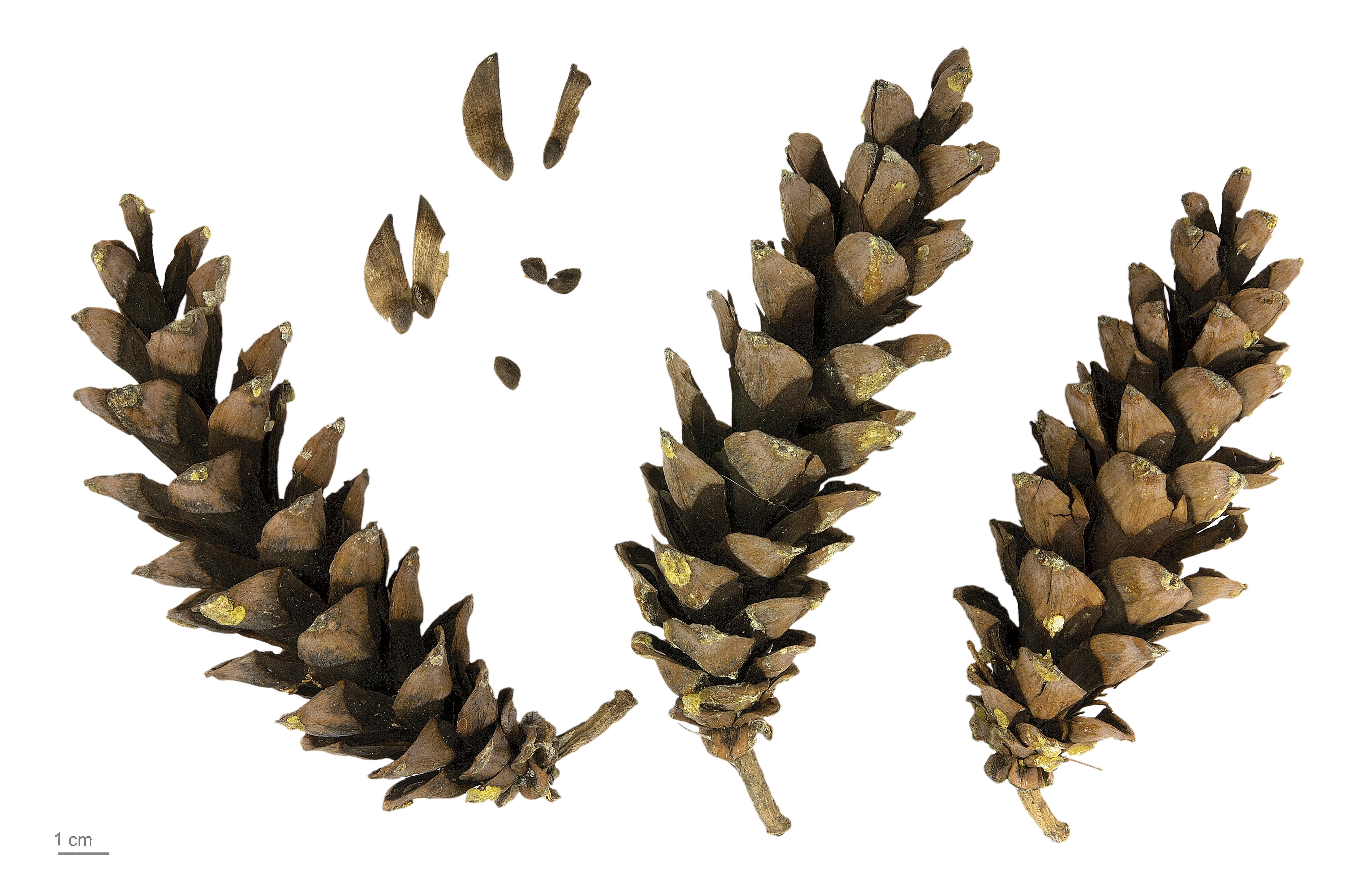
What does an eastern white pine look like? The tree has a straight trunk and a broad, asymmetrical crown in old age. The bark is grey-brown and deeply furrowed. How do you identify white pine needles? The needles are soft, bluish-green, and grow in clusters of five (representing the five letters in the word 'W-H-I-T-E'). The cones are long, slender, curved, and banana-shaped, measuring 10 to 20 cm.
Habitat & Growth Behavior
Where do eastern white pines grow? They grow in a variety of soils, from dry, sandy soils to moist, acidic bogs and ravines. They are moderately shade-tolerant when young but require full sun to grow rapidly as they mature. The trees are wind-resistant but can lose branches in heavy ice storms. They regenerate quickly after minor forest fires that clear out competing undergrowth.
Ecological Role & Symbioses
What animals rely on the white pine? Red squirrels, crossbills, and black-capped chickadees feed on the seeds. Bald eagles and osprey build nests in the crown of the tallest 'super-canopy' pines that rise above the forest. How does it help wildlife? The soft needles and bark are a winter food source for porcupines and snowshoe hares, and the trunks shelter boring insects.
Reproduction, Lifecycle & Propagation
Eastern white pines reproduce sexually. Male cones release pollen in late spring. The female cones take two years to mature, turning from small green buds to long, woody, resinous brown cones that open in late summer of their second year to release winged seeds. The seeds are dispersed by wind and birds. The trees are long-lived, surviving for 200 to 450 years.
Conservation Status & Environmental Threats
Pinus strobus is classified as Least Concern. It is abundant and widely replanted in forestry. However, historical logging in the 18th and 19th centuries wiped out almost all old-growth white pine forests. Modern threats include white pine blister rust (an exotic fungal disease) and the white pine weevil, which kills the terminal shoot, causing deformed trunks.
Interesting Fun Facts
- In colonial times, the tallest white pines were marked with a 'Broad Arrow' symbol, claiming them for the British Royal Navy for ship masts.
- The needles grow in clusters of five, which matches the number of letters in the word 'W-H-I-T-E'.
- White pine needles are rich in Vitamin C and were used by Native Americans to make herbal teas to prevent scurvy.
- It is the state tree of both Maine (the 'Pine Tree State') and Michigan.
Related Plants
Great Basin Bristlecone Pine
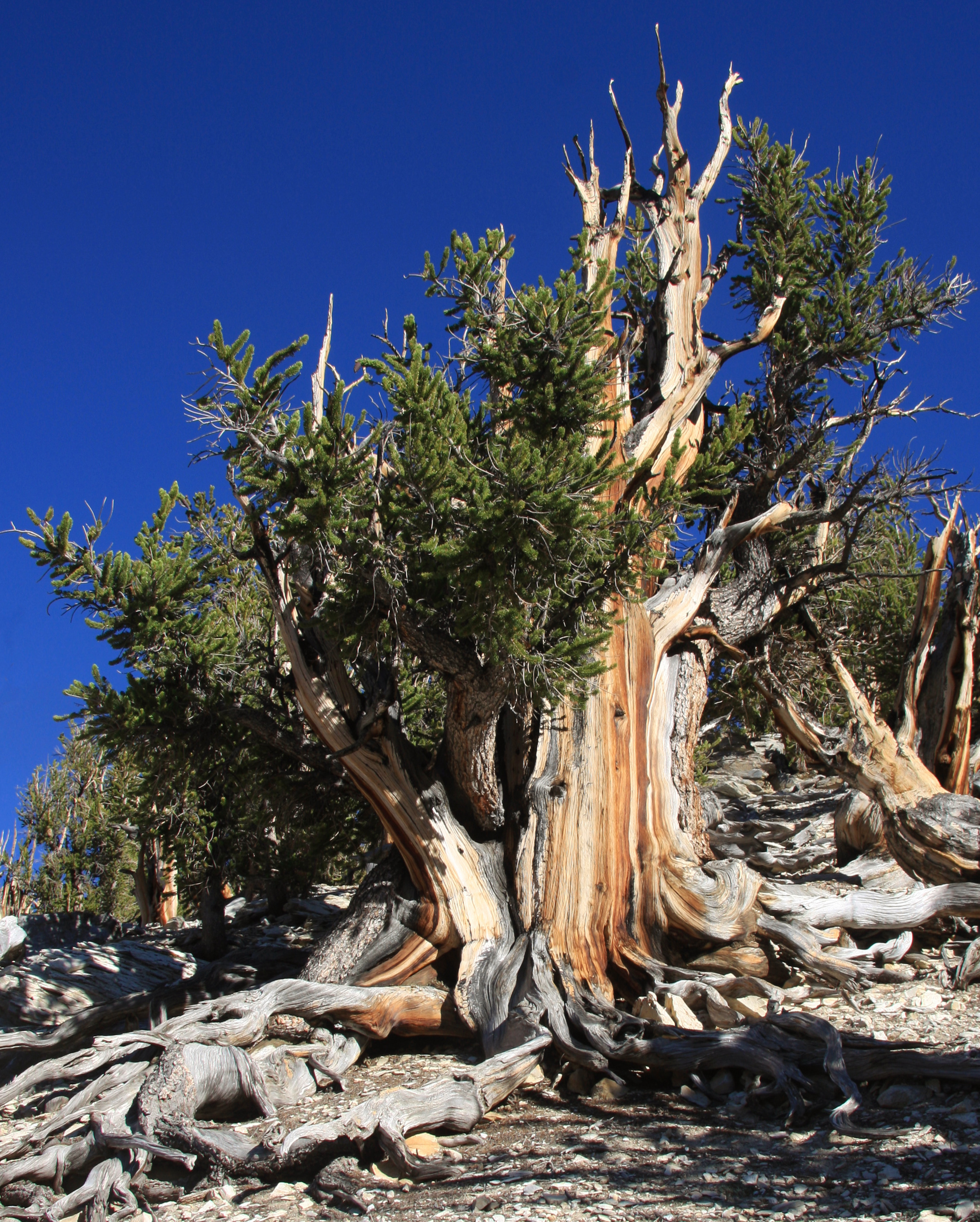
Least ConcernWhat is a bristlecone pine? The Great Basin bristlecone pine (Pinus longaeva) is an extremely long-lived coniferous tree native to the high-altitude mountain ranges of the American Southwest. It is globally famous as the oldest known non-clonal living organism on Earth, with individual trees documented to be over 4,800 years old. Growing in harsh, wind-swept, alpine conditions where other plants cannot survive, these trees grow incredibly slowly, developing dense, resinous wood that resists decay.

Norway Spruce
Least ConcernWhat is a Norway Spruce? The Norway spruce (Picea abies) is a large, fast-growing coniferous evergreen tree in the Pinaceae family. Native to Northern and Central Europe, it is one of the most commercially and ecologically important conifers on the European continent. It is widely planted globally for timber, paper production, windbreaks, and is famous as the traditional Christmas tree.