Conifers & Gymnosperms
Gymnosperms are seed-producing plants, mostly conifers, characterized by naked seeds not enclosed in an ovary, often housed in protective cones.

Coast Redwood
EndangeredWhat is a Coast Redwood? Sequoia sempervirens, the coast redwood, is a massive coniferous evergreen tree belonging to the Cupressaceae family. It is the tallest living tree species on Earth, reaching heights of over 115 meters (377 feet). Restricted to a narrow coastal strip in California and Oregon, redwoods are ancient giants that can live for over 2,000 years. They form unique ecosystems characterized by thick bark, massive carbon storage, and a reliance on coastal fog.
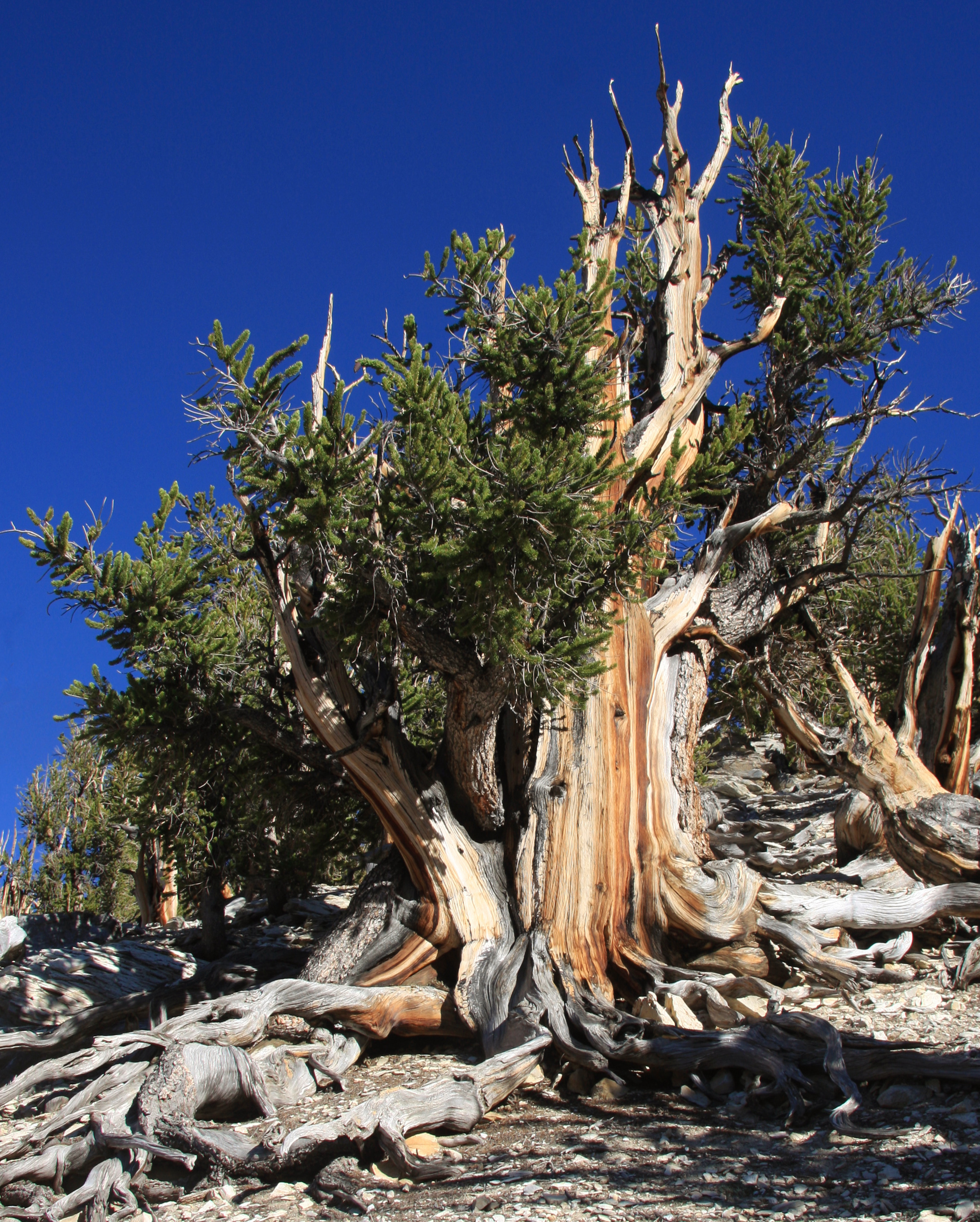
Great Basin Bristlecone Pine
Least ConcernWhat is a bristlecone pine? The Great Basin bristlecone pine (Pinus longaeva) is an extremely long-lived coniferous tree native to the high-altitude mountain ranges of the American Southwest. It is globally famous as the oldest known non-clonal living organism on Earth, with individual trees documented to be over 4,800 years old. Growing in harsh, wind-swept, alpine conditions where other plants cannot survive, these trees grow incredibly slowly, developing dense, resinous wood that resists decay.

Ginkgo Biloba
EndangeredWhat is a ginkgo tree? Ginkgo biloba, commonly known as the ginkgo or maidenhair tree, is an ancient deciduous tree and the sole surviving member of the division Ginkgophyta. Often referred to as a 'living fossil', the ginkgo has remained virtually unchanged for over 200 million years, predating the dinosaurs. While technically classified as a gymnosperm (like conifers), it features flat, fan-shaped leaves and has been cultivated in China for thousands of years for food, medicine, and temple landscaping.

Douglas Fir
Least ConcernWhat is a Douglas Fir? Pseudotsuga menziesii, the Douglas fir, is a massive coniferous evergreen tree belonging to the Pinaceae family. Native to western North America, it is one of the most commercially important timber trees globally. Despite its common name, it is not a true fir (genus Abies), but belongs to its own genus, Pseudotsuga (meaning 'false hemlock'). Douglas firs are key components of old-growth temperate rainforests, second in height only to coast redwoods.

Giant Sequoia
EndangeredWhat is a Giant Sequoia? Sequoiadendron giganteum, the giant sequoia, is a massive coniferous evergreen tree in the Cupressaceae family. While coast redwoods are taller, giant sequoias are the largest trees on Earth by wood volume. How old do sequoias get? They are ancient giants, with individual trees living for over 3,000 years. They grow exclusively in a narrow mountain belt on the western slopes of the Sierra Nevada, adapted to survive forest fires.

Bald Cypress
Least ConcernWhat is a Bald Cypress? The bald cypress (Taxodium distichum) is a large, deciduous conifer in the Cupressaceae family. Native to the wet swamps and floodplains of the American South, it is famous for its ability to grow directly in standing water. It gets its common name 'bald' because, unlike most conifers, it is deciduous, shedding its needle-like leaves in winter. The tree is famous for producing woody projections called 'cypress knees' from its roots.

Norway Spruce
Least ConcernWhat is a Norway Spruce? The Norway spruce (Picea abies) is a large, fast-growing coniferous evergreen tree in the Pinaceae family. Native to Northern and Central Europe, it is one of the most commercially and ecologically important conifers on the European continent. It is widely planted globally for timber, paper production, windbreaks, and is famous as the traditional Christmas tree.

Colorado Blue Spruce
Least ConcernWhat is a blue spruce? The Colorado blue spruce (Picea pungens) is a popular coniferous evergreen tree in the Pinaceae family. Native to the Rocky Mountains, it is famous for its striking silvery-blue needles, symmetrical conical shape, and popularity as an ornamental landscape tree. It is the state tree of both Colorado and Utah.
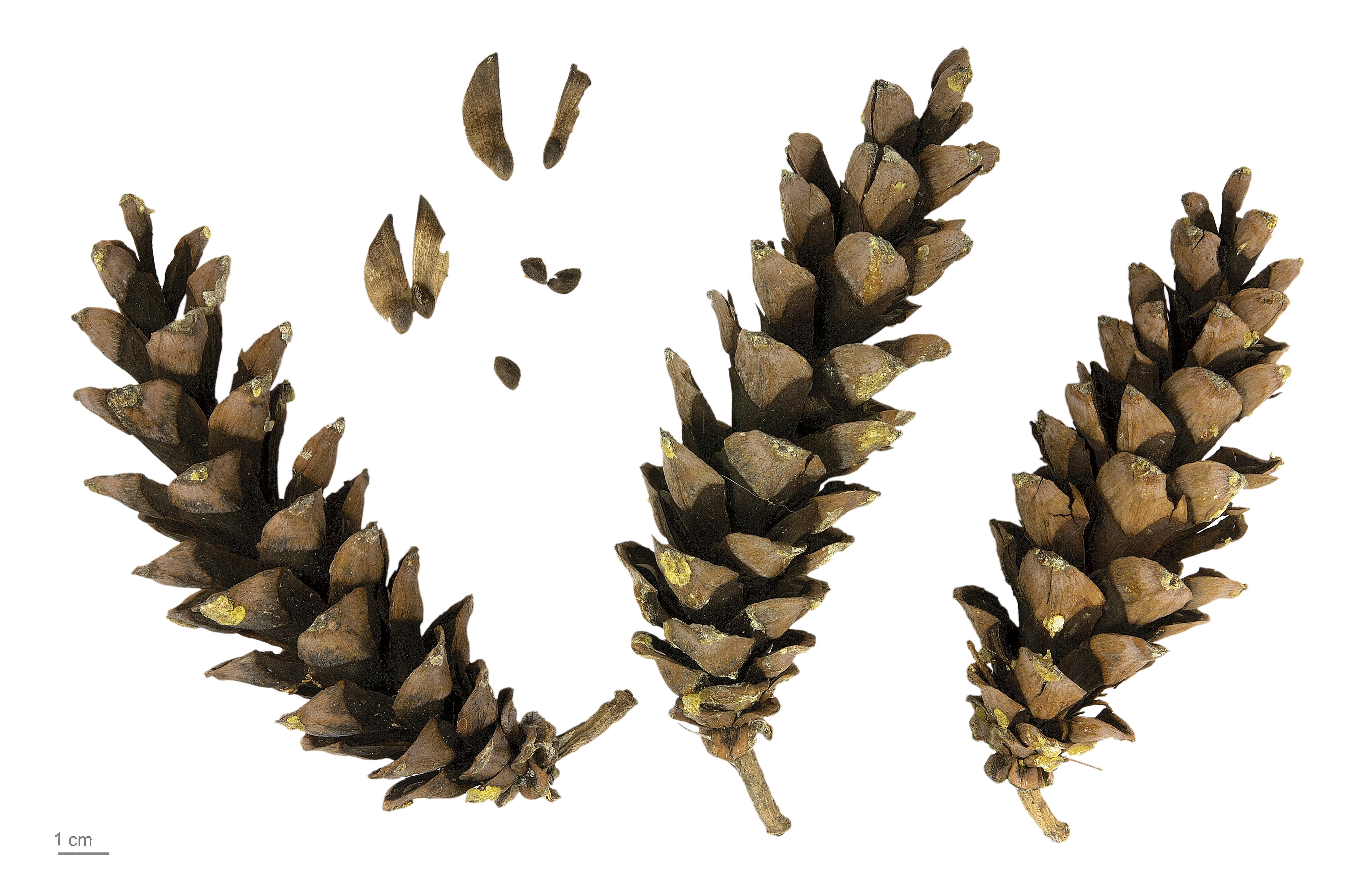
Eastern White Pine
Least ConcernWhat is the Eastern White Pine? The eastern white pine (Pinus strobus) is a massive, fast-growing coniferous tree in the Pinaceae family. It is the tallest conifer native to eastern North America. Historically, its straight, towering trunks were highly prized by the British Royal Navy for ship masts. It is a keystone forest species, famous for its soft, flexible needles that grow in clusters of five.

Scots Pine
Least ConcernWhat is a Scots Pine? The Scots pine (Pinus sylvestris) is a hardy coniferous evergreen tree in the Pinaceae family. It has the widest distribution of any pine in the world, stretching across Europe and Asia. Highly recognizable by its orange-red upper bark, it is a pioneer species that colonizes poor, sandy soils and peat bogs where other trees cannot grow.
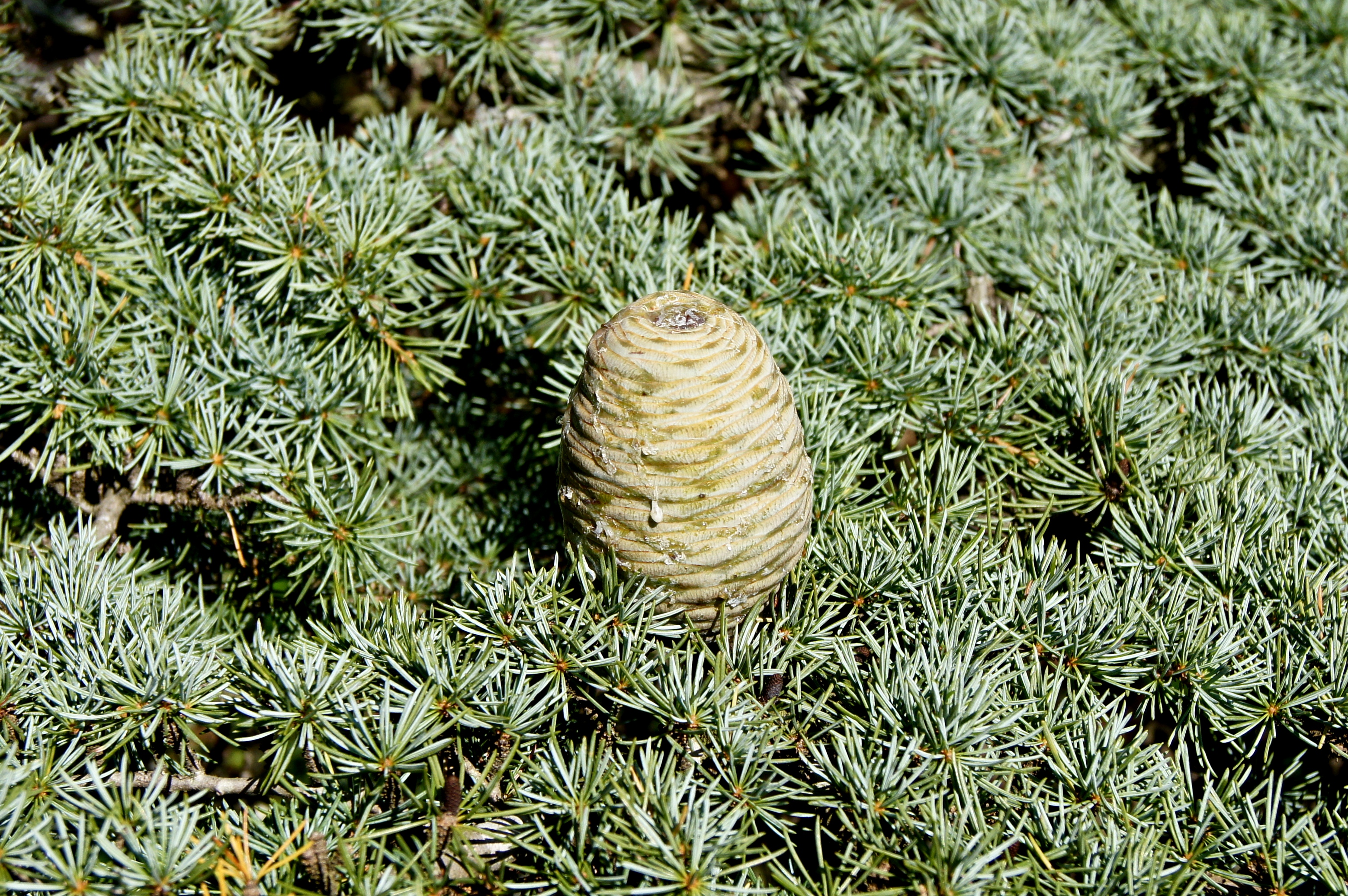
Cedar of Lebanon
VulnerableWhat is the Cedar of Lebanon? The Cedar of Lebanon (Cedrus libani) is a large, majestic coniferous evergreen tree in the Pinaceae family. Famous for its horizontal, tiered branches and deep historical significance, it is the national emblem of Lebanon. The wood is highly fragrant, durable, and was used in antiquity by the Phoenicians, Egyptians, and King Solomon to build temples and ships.

Monkey Puzzle Tree
EndangeredWhat is a Monkey Puzzle Tree? The monkey puzzle tree (Araucaria araucana), or Chilean pine, is an ancient, bizarre-looking conifer in the Araucariaceae family. Often called a 'living fossil', it belongs to a lineage of trees that dates back to the Mesozoic era, when dinosaurs roamed. It is the national tree of Chile, famous for its sharp, scale-like leaves that cover its branches like armor.

Sago Cycad
Least ConcernWhat is a sago cycad? The sago cycad (Cycas revoluta), commonly called the sago palm, is an ancient seed plant in the Cycadaceae family. Despite its common name, it is not a palm tree but a gymnosperm (related to conifers). Is the cycad a living fossil? Yes, cycads are ancient plants that have existed for over 280 million years. The plant is highly toxic to animals and contains carcinogenic compounds.

Welwitschia
Least ConcernWhat is Welwitschia? Welwitschia mirabilis is a bizarre, ancient gymnosperm shrub belonging to its own monotypic family, Welwitschiaceae. Restricted to the Namib Desert, it is one of the most unique plants on Earth. How many leaves does Welwitschia have? Throughout its entire lifespan, which can exceed 1,500 years, the plant grows only two leaves. These leaves grow continuously from a woody crown, becoming split and shredded by desert winds into a tangled pile.

Western Red Cedar
LCA massive evergreen conifer with scale-like leaves and highly rot-resistant wood.

Siberian Larch
LCA deciduous conifer that sheds its needles in autumn, turning a striking golden yellow.

Stone Pine
LCA pine tree famous for its flat, umbrella-like crown and edible seeds.

Monterey Cypress
VUA coastal conifer with wind-swept, sculptural branches that hugs the California coast.

Aleppo Pine
LCA highly drought-resistant pine native to the dry hills of the Mediterranean.

Pacific Yew
NTA slow-growing understory conifer with flat needles and bright red, berry-like arils.
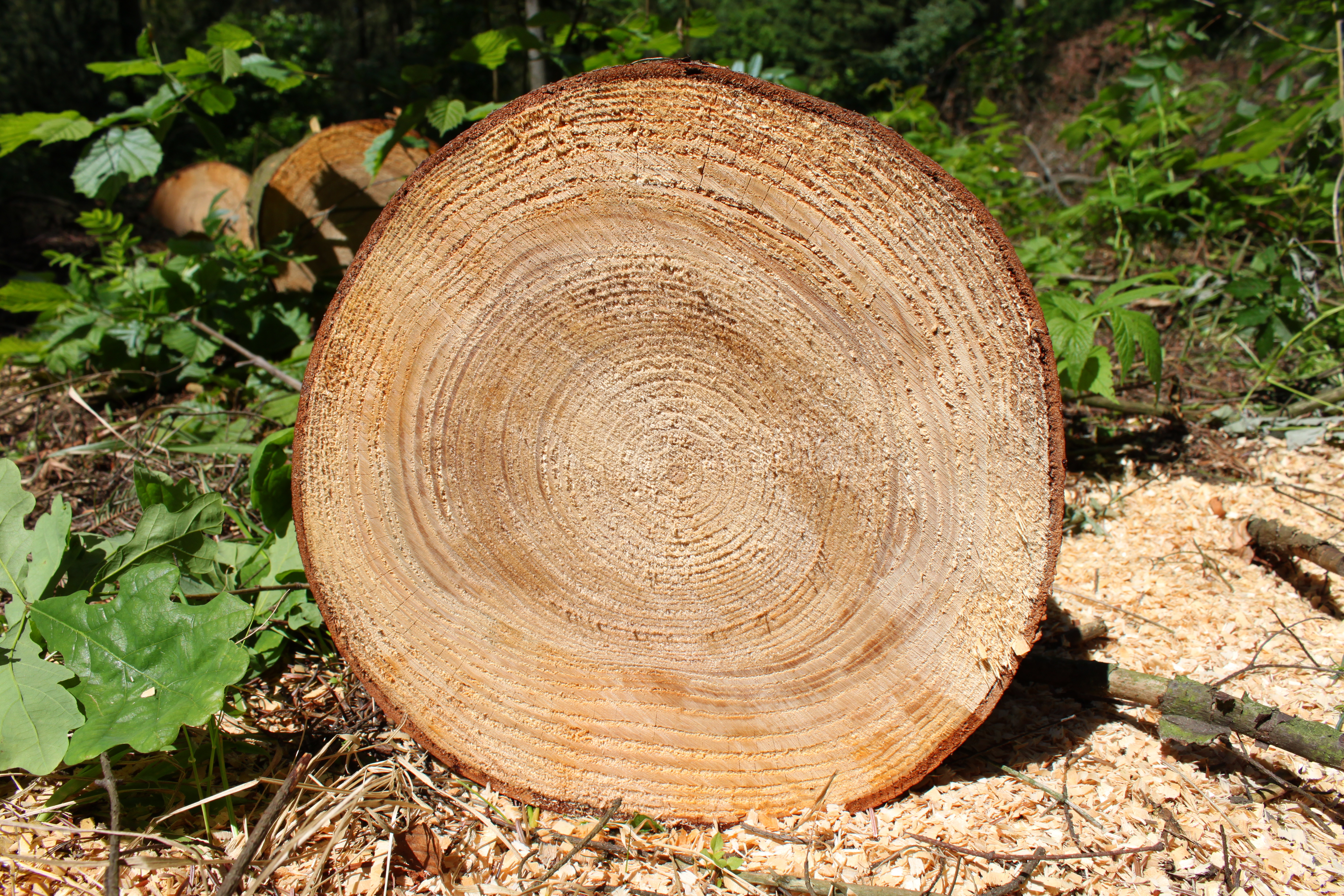
Grand Fir
LCA tall fir tree featuring glossy green needles that release a strong citrus-like fragrance.

Common Juniper
LCA versatile, needle-leafed shrub that spreads across rocky savannahs and pastures.
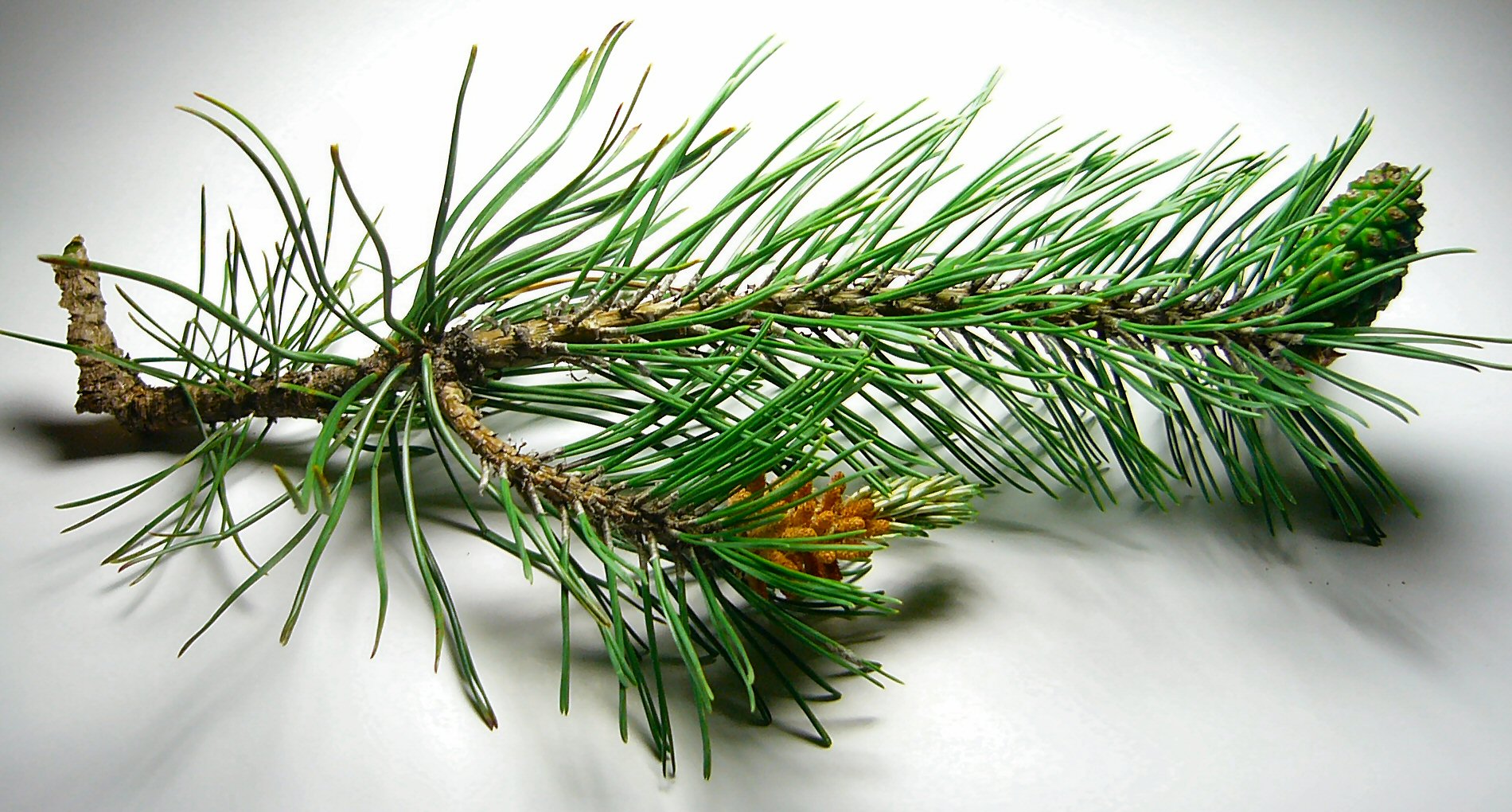
Lodgepole Pine
LCA straight-trunked pine tree that dominates fire-adapted northern forests.

Kauri Tree
CDA massive ancient conifer from New Zealand with smooth bark and broad leaf-like needles.

Japanese Cedar
NTJapanese Cedar (Sugi) is a massive, majestic conifer revered as the national tree of Japan.
Pitch Pine
LCPitch Pine is a tough, gnarled conifer exceptionally adapted to survive intense forest fires.

Balsam Fir
LCBalsam Fir is a symmetrical conifer famous for its sweet resinous aroma and popularity as a Christmas tree.

European Yew
LCEuropean Yew is an ancient evergreen conifer legendary for its extraordinary longevity and toxicity.
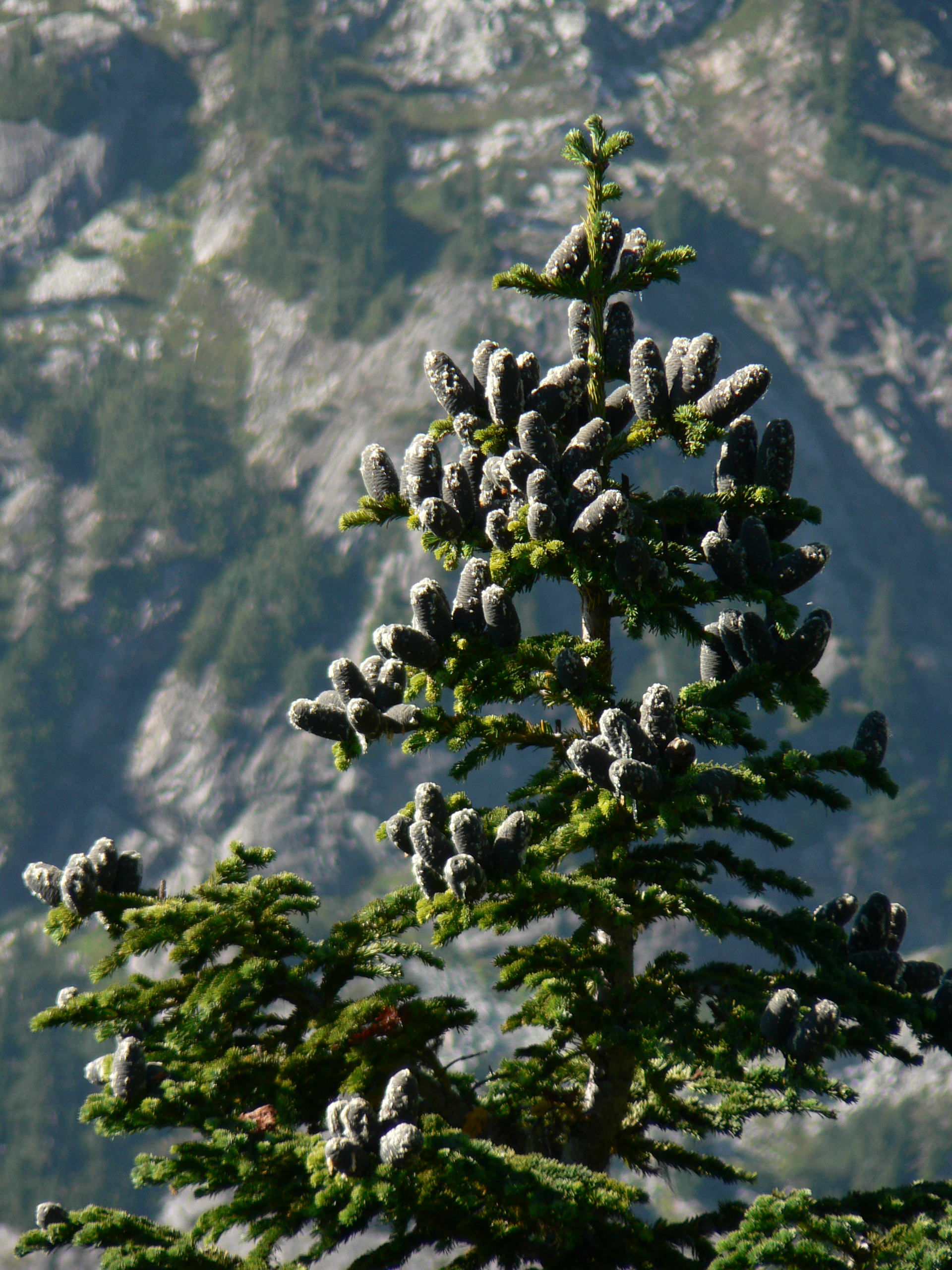
Subalpine Fir
LCSubalpine Fir is a spire-like high-altitude conifer adapted to shed heavy mountain snowfall.

Red Pine
LCRed Pine is a straight-growing conifer named for its distinctive flaky, reddish-brown bark.

Ponderosa Pine
LCPonderosa Pine is an iconic, giant conifer featuring thick cinnamon-red bark plates.
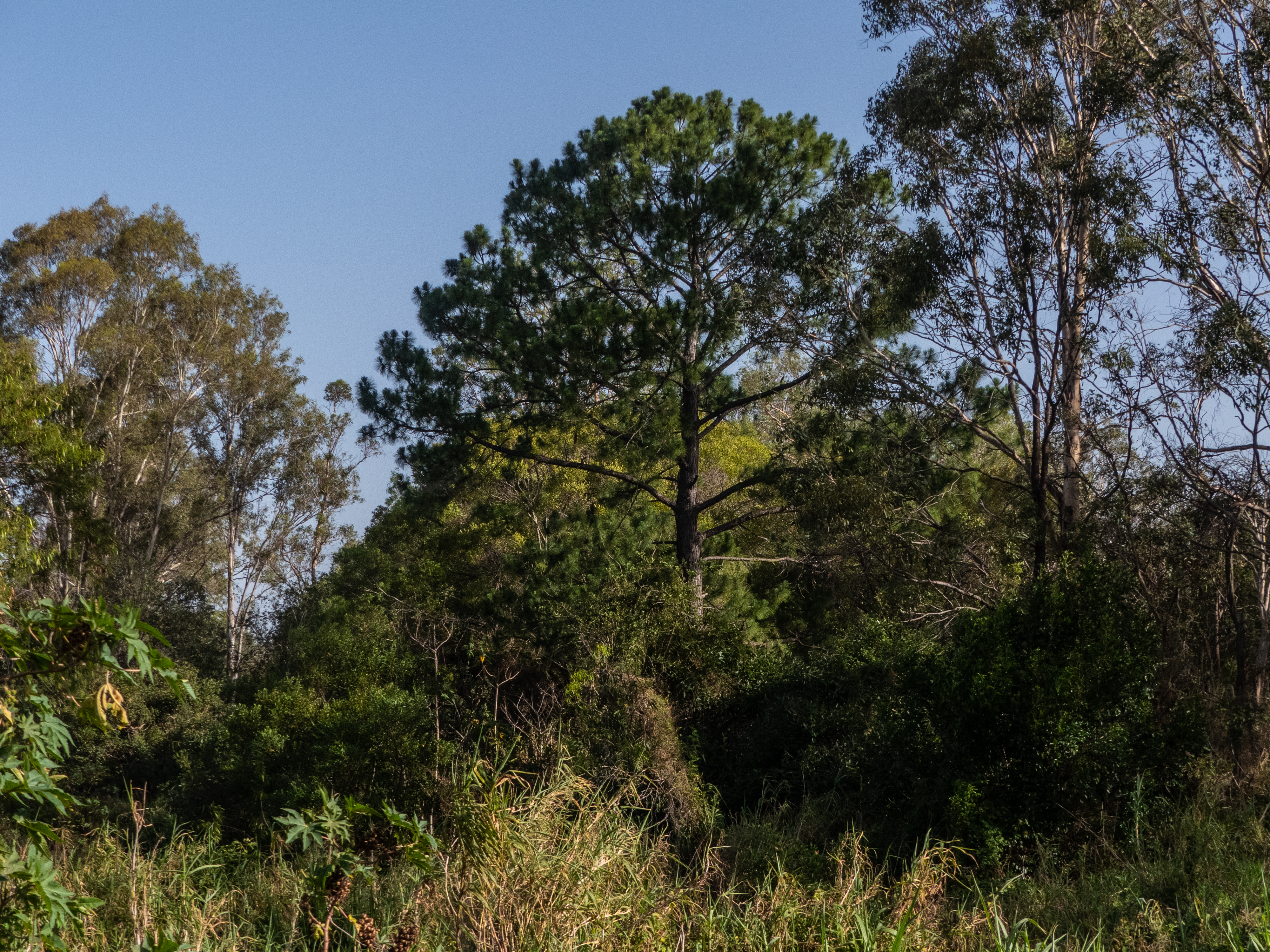
Slash Pine
LCSlash Pine is a fast-growing southern pine adapted to wet flatwoods and seasonal flooding.