
Moth Orchid
Quick Facts & Botanical Stats
Species Overview
What is a moth orchid? The moth orchid (Phalaenopsis amabilis) is an epiphytic perennial plant belonging to the Orchidaceae family, one of the two largest families of flowering plants. Native to the warm, humid rainforests of Southeast Asia, it grows attached to the bark of trees rather than in soil. Known for its elegant, long-lasting flowers that resemble moths in flight, it is highly popular as an indoor houseplant and is a national flower of Indonesia.
Physical Appearance & Anatomy
What does a moth orchid look like? The moth orchid features thick, fleshy, dark green leaves that grow in a compact rosette. Its roots are covered in velamen—a spongy, silver-grey layer that absorbs moisture and nutrients directly from the air and rain. The roots also contain chlorophyll, enabling them to perform photosynthesis. How do orchid flowers look? The flowers emerge on arching sprays, with three sepals and three petals. The lower petal is modified into a specialized landing platform called a lip (labellum) that guides pollinators.
Habitat & Growth Behavior
How do orchids grow in rainforests? Moth orchids grow as epiphytes on tree trunks and branches under the filtered light of the rainforest canopy. This elevation protects them from ground-level herbivores and prevents waterlogging. They absorb moisture from the high humidity, dew, and rain that trickles down tree bark. The roots anchor the plant firmly to the bark, utilizing symbiotic relationships with mycorrhizal fungi to obtain essential nutrients.
Ecological Role & Symbioses
What insects pollinate orchids? Moth orchids have evolved specific relationships with local pollinators, primarily large carpenter bees and moths, attracting them with visual patterns on their petals. Because their roots grow exposed on trees, they create microhabitats that shelter small tropical insects and spiders. Are orchids parasitizing trees? No, epiphytic orchids do not harm or steal nutrients from their host trees; they use them solely for structural support.
Reproduction, Lifecycle & Propagation
How do orchids reproduce? Orchids reproduce sexually by producing specialized pollen packages called pollinia. When a bee visits, the pollinia stick to its body and are carried to another flower. Once pollinated, the flower develops a capsule containing millions of microscopic, dust-like seeds that are dispersed by the wind. Because the seeds lack nutrients, they can only germinate in the presence of specific mycorrhizal soil fungi that provide them with water and carbohydrates.
Conservation Status & Environmental Threats
While cultivated moth orchids are abundant worldwide, wild populations of Phalaenopsis amabilis are threatened and declining in their native habitats. The primary threats include illegal wild-harvesting for the black-market plant trade and rapid habitat destruction from deforestation and agricultural conversion in Southeast Asia. International trade is regulated under CITES Appendix II to prevent wild exploitation.
Interesting Fun Facts
- Orchid roots are covered in velamen, a spongy layer that absorbs moisture from the air and performs photosynthesis, turning green when wet.
- A single orchid seed capsule can contain up to 3 million dust-like seeds, which are dispersed by the wind.
- Phalaenopsis orchids do not grow in soil; in the wild, they grow on tree trunks (epiphytes) or rocks (lithophytes).
- Orchid flowers have bilateral symmetry, meaning they can be divided into two equal halves, similar to a human face.
Related Plants
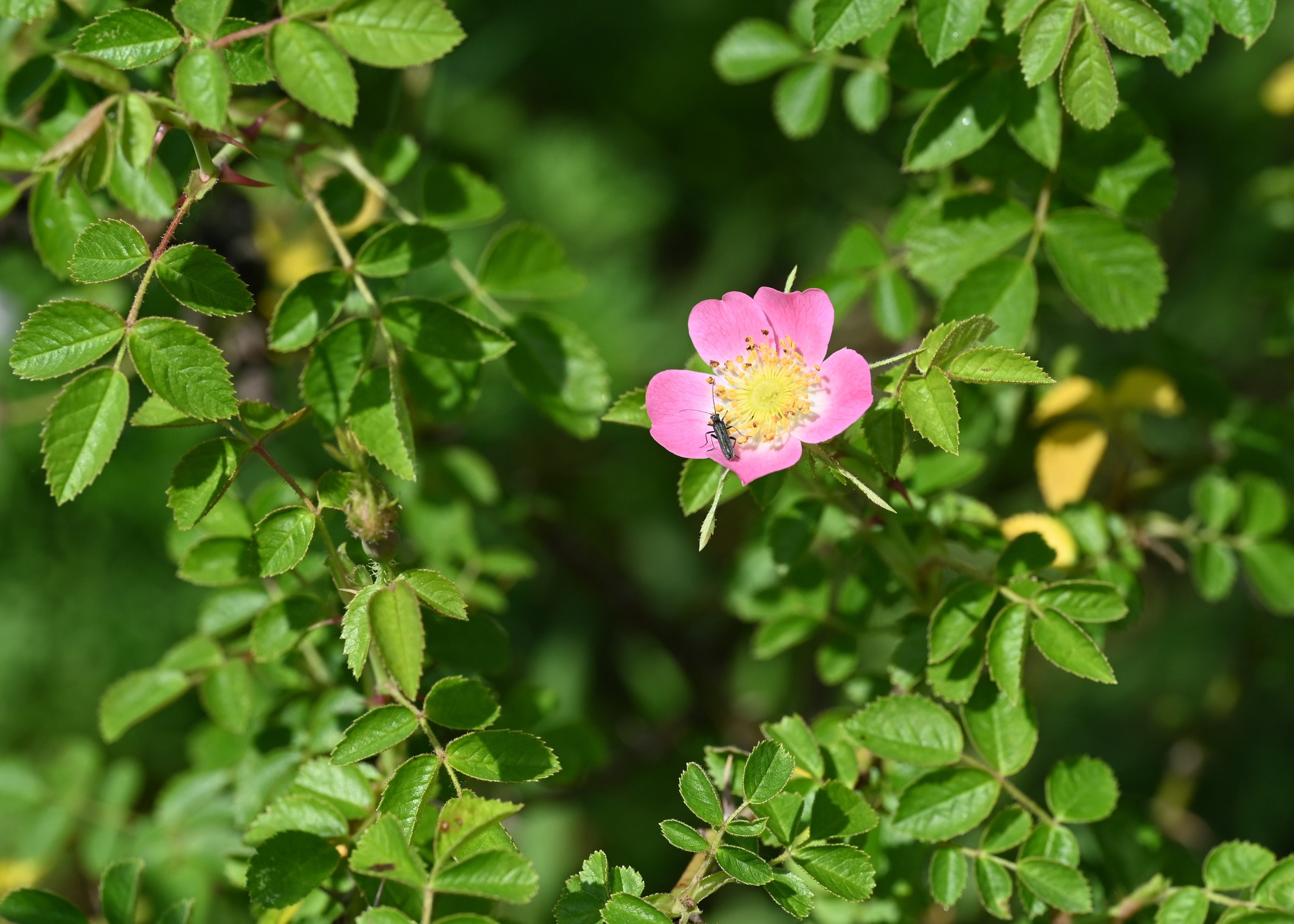
Garden Rose
Least ConcernWhat is a rose? The rose (Rosa rubiginosa) is a woody perennial flowering plant belonging to the Rosaceae family. Renowned globally for its ornamental beauty, fragrant blooms, and cultural significance, the rose is one of the most widely cultivated flowers. Roses grow as erect shrubs, climbing vines, or trailing groundcovers, often armed with sharp thorns that serve as physical defenses. In addition to their aesthetic appeal, roses yield rose hips, which are rich in Vitamin C and used in teas, syrups, and skincare products.

Tropical Pitcher Plant
Least ConcernWhat is a tropical pitcher plant? Nepenthes rafflesiana is a species of carnivorous climbing vine belonging to the Nepenthaceae family. Native to the hot, humid lowlands of Borneo and Sumatra, it is famous for its large, urn-shaped pitcher leaves that trap and digest prey. How do pitcher plants catch insects? Unlike the active Venus flytrap, pitcher plants use passive pitfall traps. Insects are lured by nectar, slip on the waxy rim, fall into a pool of digestive fluid, and dissolve.