
Zebra Haworthia
Quick Facts & Botanical Stats
Species Overview
What is Zebra Haworthia? The zebra haworthia (Haworthiopsis attenuata) is a small succulent plant in the Asphodelaceae family. Native to South Africa, it is famous for its dark green leaves banded with horizontal, bright white, raised tubercles that resemble zebra stripes. It is a shade-loving succulent, adapted to grow under the cover of larger desert shrubs.
Physical Appearance & Anatomy
What does a zebra haworthia look like? The plant grows in a small, compact rosette. The leaves are thick, lance-shaped, pointed, and dark green. Why does it have white stripes? The outer leaf surfaces are covered in raised, white, warty bands (tubercles) that look like zebra stripes, while the inner surfaces are smooth. In spring, it produces tiny, tubular white flowers on long, thin, nodding stalks.
Habitat & Growth Behavior
Where do zebra haworthias grow? They grow in gravelly soils on rocky slopes and under the canopy of succulent bushes. They are adapted to bright, indirect light rather than scorching direct sun, which causes the leaves to turn reddish-brown. How do they conserve water? They utilize CAM photosynthesis and store water in their fleshy leaves, relying on rainfall during winter months.
Ecological Role & Symbioses
What is the ecological role of haworthias? By growing under shrubs, they form part of a nurse-plant relationship, shading the soil to retain moisture. What insects visit the flowers? The small flowers provide food for tiny solitary bees and flies. In home cultivation, they are excellent, low-light houseplants that filter toxins from the air.
Reproduction, Lifecycle & Propagation
Zebra haworthias reproduce sexually via insect pollination. The fertilized flowers produce capsules containing tiny seeds. Vegetatively, they propagate easily by producing offsets (clones) around the base of the rosette. The offsets establish roots and form dense, carpet-like clumps. Individual rosettes live for 10 to 15 years, propagating continuously.
Conservation Status & Environmental Threats
Haworthiopsis attenuata is classified as Least Concern. It is widely cultivated as a houseplant. Wild populations are stable, though agriculture, urban sprawl in South Africa, and illegal collection present localized threats. They are highly sensitive to overwatering, which causes root rot.
Interesting Fun Facts
- The white 'stripes' on the leaves are actually bands of hard, raised cells called tubercles, which help protect the leaves from sun damage.
- Unlike most cacti and succulents, Haworthia prefers shade and will turn red or brown if exposed to direct, scorching sun.
- The plants are so small they are often grown in miniature dish gardens and terrariums.
- It is commonly confused with the lace aloe, but has much harder, stouter leaves and distinct zebra-striped bands.
Related Plants
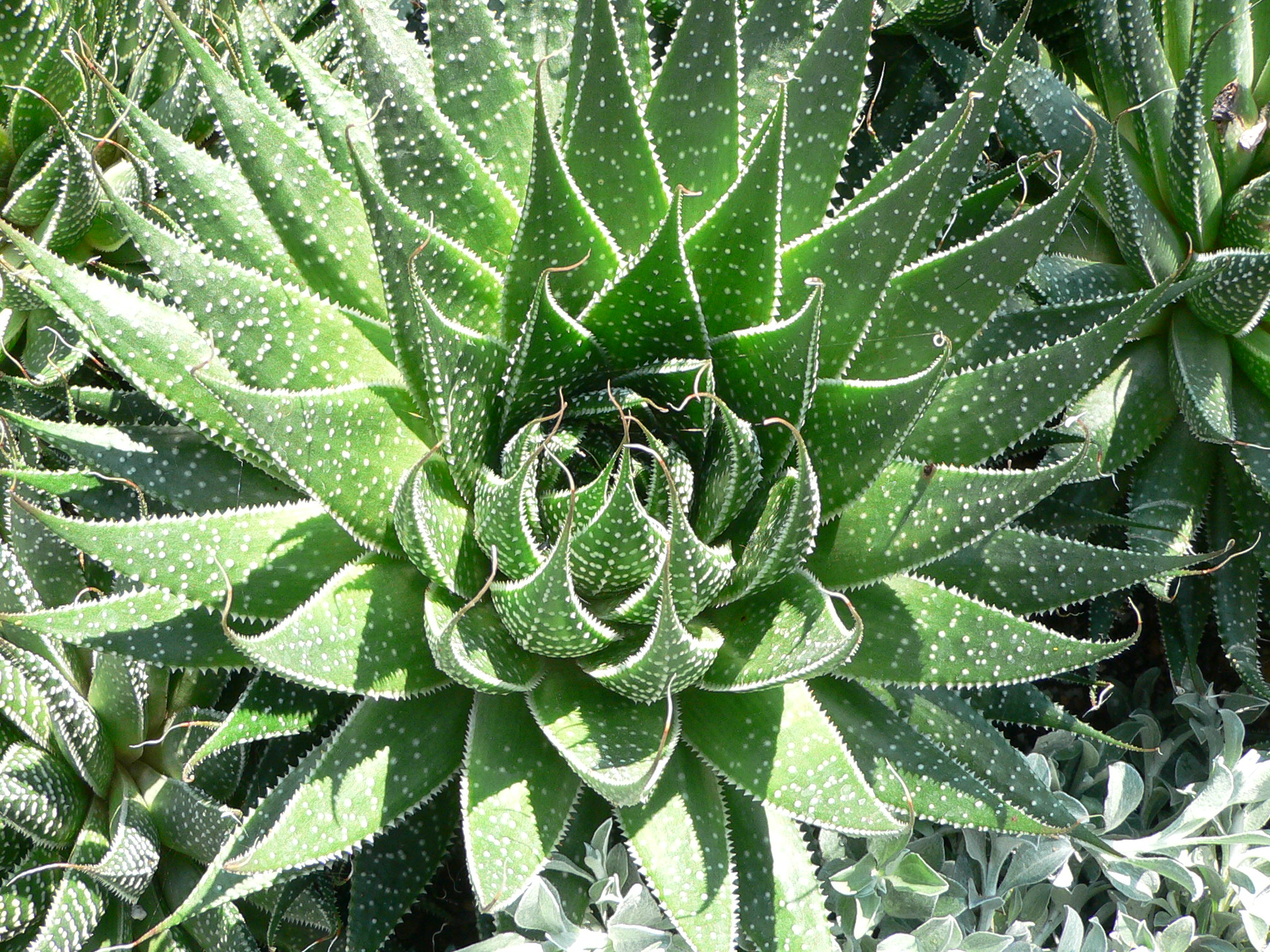
Lace Aloe
Least ConcernWhat is the Lace Aloe? The lace aloe (Aloe aristata, or Aristaloe aristata) is a small succulent plant in the Asphodelaceae family. Native to the mountain ranges of South Africa, it is famous for its compact rosette of leaves lined with white, lace-like teeth and long threads at the tips. Unlike tropical aloes, the lace aloe is cold-hardy, adapted to high-altitude mountain winters.

Aloe Vera
Least ConcernWhat is Aloe Vera? Aloe vera is a succulent plant species belonging to the Asphodelaceae family. Cultivated globally for its medicinal and cosmetic uses, it has been prized for thousands of years. The plant is famous for the thick, soothing gel found inside its leaves, which is used to treat burns, wounds, and skin conditions. Aloe vera is a hardy xerophyte, adapted to thrive in hot, arid regions with minimal rainfall.