Mosses & Bryophytes
Small, non-vascular flowerless plants that typically form dense green clumps or mats, absorbing water and nutrients directly through their leaves rather than roots.

Sphagnum Moss
Least ConcernWhat is Sphagnum Moss? Sphagnum is a genus of approximately 380 species of mosses, commonly known as peat moss. Why is Sphagnum moss important? It is a critical ecosystem engineer that dominates peat bogs, wet tundras, and boreal forests. Sphagnum moss can store massive amounts of water—up to 20 times its dry weight—within its specialized cells. Over thousands of years, the slow decay of this moss in waterlogged conditions forms peat, which stores more carbon than all the world's tropical rainforests combined.

Common Haircap Moss
Least ConcernWhat is haircap moss? Common haircap moss (Polytrichum commune) is a large, non-vascular bryophyte in the Polytrichaceae family. Widespread globally, it is one of the tallest mosses in the world. Unlike most mosses, it has a primitive water-conducting system (hydroids) that allows it to grow much taller than other species. It gets its name from the hairy cap that covers the developing spore capsules.
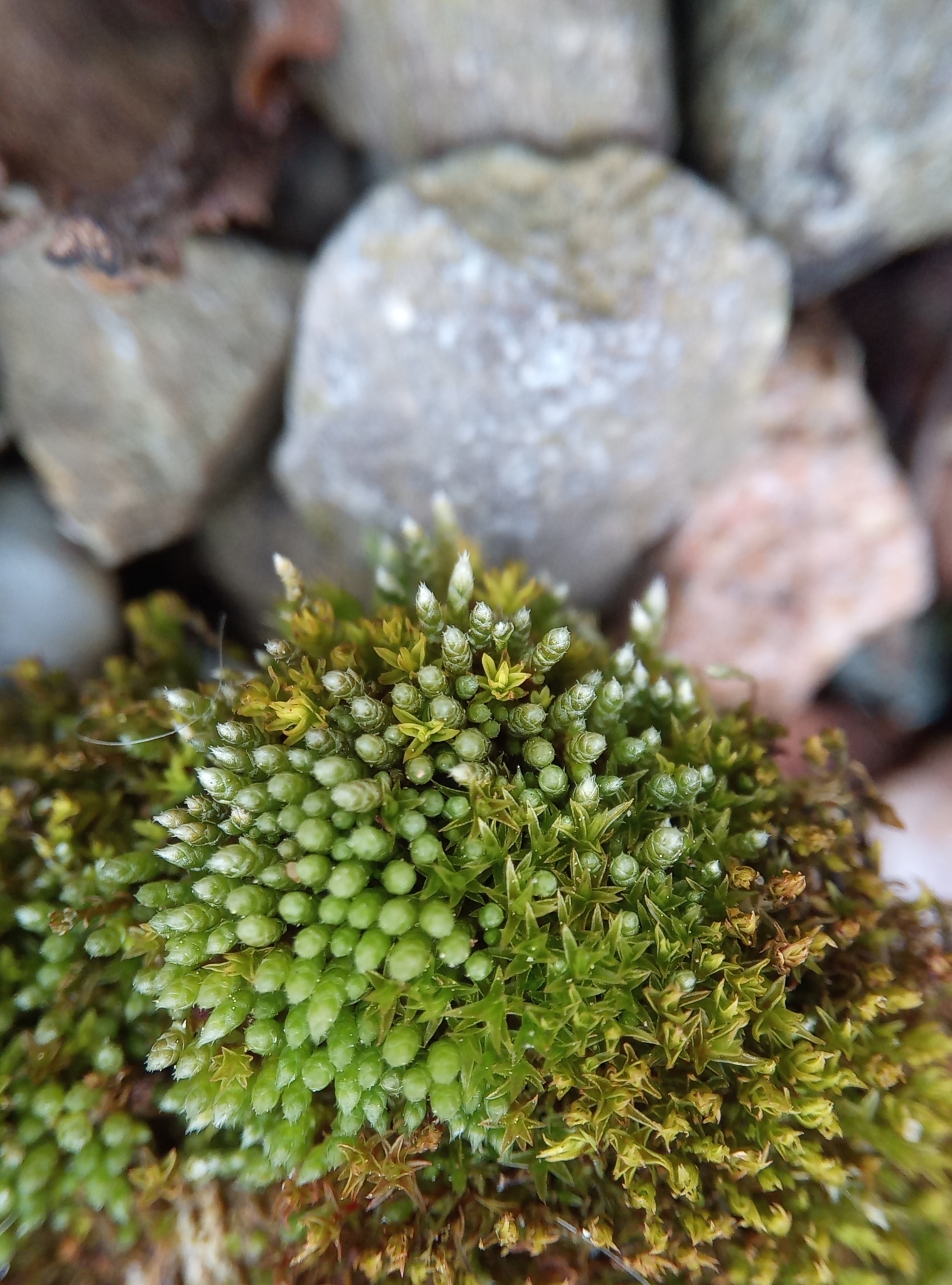
Silver Moss
Least ConcernWhat is Silver Moss? Silver moss (Bryum argenteum), or silvery thread moss, is a small non-vascular bryophyte in the Bryaceae family. It is one of the most widely distributed plants on Earth, found on every continent, including the cold deserts of Antarctica and hot city streets. It is famous for its shimmering, silvery-green color, which is an adaptation to reflect harsh sunlight.

Common Liverwort
Least ConcernWhat is a liverwort? The common liverwort (Marchantia polymorpha) is a thallose non-vascular bryophyte in the Marchantiaceae family. Native globally, it is an ancient plant lineage that diverged before mosses. Why is it called liverwort? In medieval times, its flat, lobed green body was thought to resemble a liver, leading to the name 'liver herb' (wort). It is famous for its umbrella-like reproductive structures and cup-like structures that produce asexual buds.

Stair-step Moss
Least ConcernWhat is stair-step moss? Stair-step moss (Hylocomium splendens), or glittering woodmoss, is a large, perennial, non-vascular feather moss in the Hylocomiaceae family. It is a dominant species in the boreal forests (taiga) of the Northern Hemisphere, forming thick, sponge-like olive-green carpet mats over rocks, soil, and rotting wood.

Magellan's Peat Moss
Least ConcernWhat is Magellan's Peat Moss? Sphagnum magellanicum, or red peat moss, is a key species of non-vascular bryophyte in the Sphagnaceae family. How does it differ from other peat mosses? It is easily recognized by its striking crimson-red or purplish color. It is a major peat-forming species in the bogs of the Northern and Southern hemispheres, engineering acidic, waterlogged ecosystems.

Mood Moss
LCMood Moss gets its nickname because its wind-swept green tufts change appearance based on moisture levels.

Sheet Moss
LCSheet Moss forms smooth, interwoven green sheets that peel easily like fabric from forest rocks and logs.

Delicate Fern Moss
LCDelicate Fern Moss is a beautiful moss species whose miniature fronds look exactly like tiny fern leaves.

White Cushion Moss
LCWhite Cushion Moss forms tight, rounded pin-cushion domes that turn silvery-white when dry.
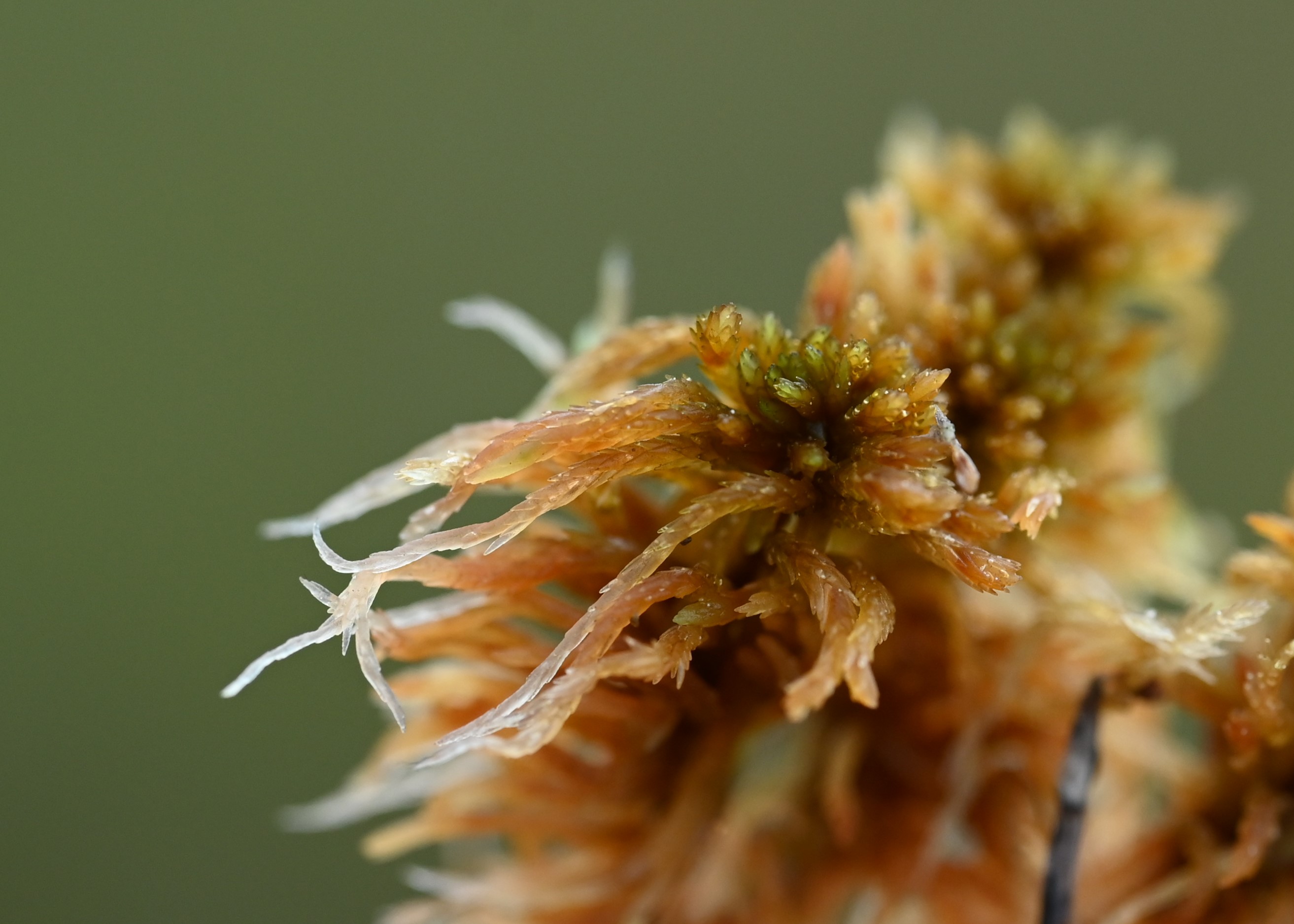
Brown Peat Moss
LCBrown Peat Moss is a key tundra species that builds deep, hummocky peat bogs in subarctic zones.