
Balsam Fir
Quick Facts & Botanical Stats
Species Overview
Balsam Fir is a symmetrical conifer famous for its sweet resinous aroma and popularity as a Christmas tree.
Physical Appearance & Anatomy
Narrow pyramidal shape with flat dark green needles and smooth gray bark covered in resin blisters.
Habitat & Growth Behavior
Thrives in cold climates with short summer growing seasons.
Ecological Role & Symbioses
Crucial winter cover and food source for moose, snowshoe hares, and crossbills.
Reproduction, Lifecycle & Propagation
Upright purple cones disintegrate on the branch to release winged seeds.
Conservation Status & Environmental Threats
Extremely abundant across boreal North America.
Interesting Fun Facts
- Resin from its bark blisters was used as a mounting medium for microscope slides.
- Moose rely heavily on balsam fir foliage for winter sustenance.
Related Plants

Coast Redwood
EndangeredWhat is a Coast Redwood? Sequoia sempervirens, the coast redwood, is a massive coniferous evergreen tree belonging to the Cupressaceae family. It is the tallest living tree species on Earth, reaching heights of over 115 meters (377 feet). Restricted to a narrow coastal strip in California and Oregon, redwoods are ancient giants that can live for over 2,000 years. They form unique ecosystems characterized by thick bark, massive carbon storage, and a reliance on coastal fog.
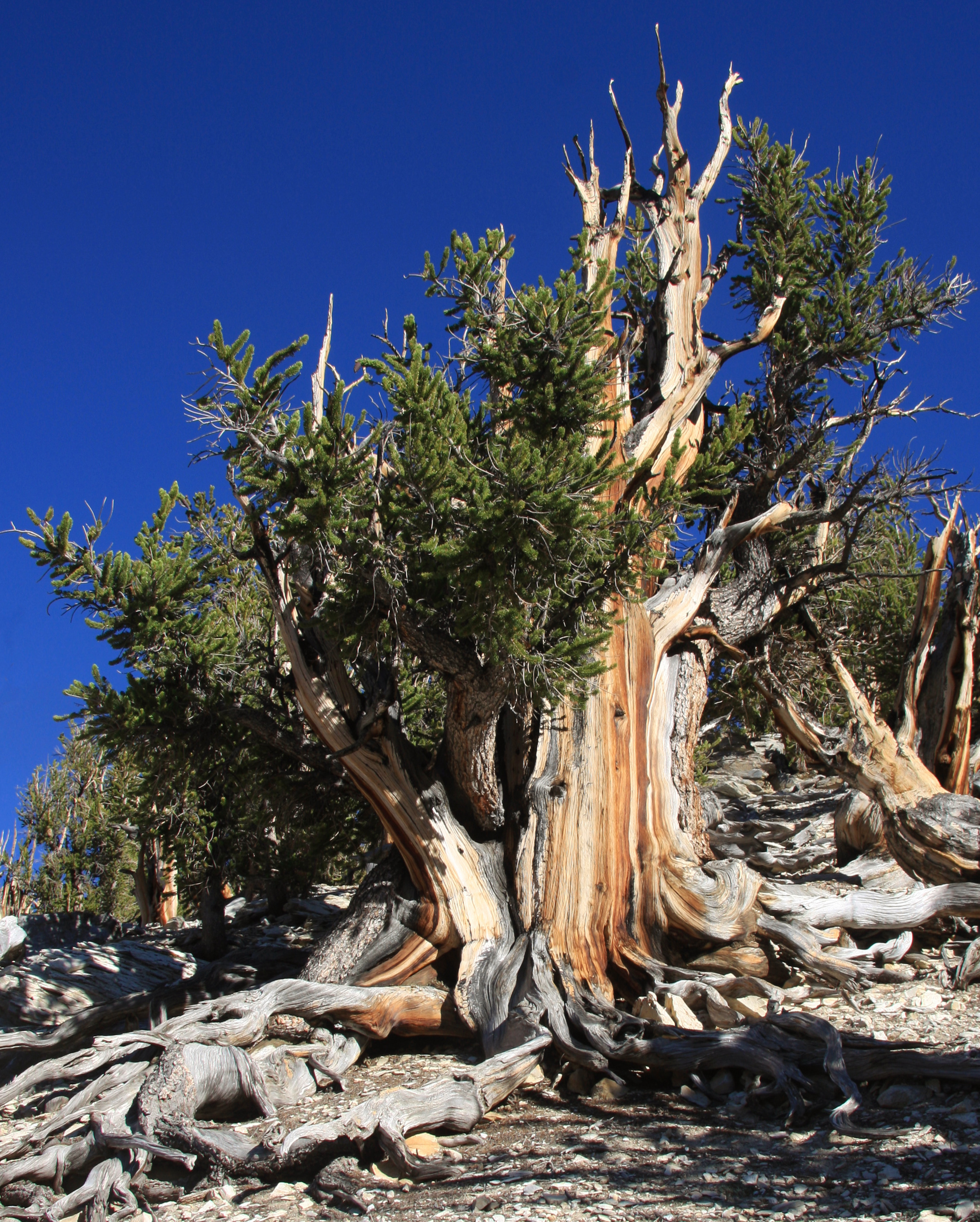
Great Basin Bristlecone Pine
Least ConcernWhat is a bristlecone pine? The Great Basin bristlecone pine (Pinus longaeva) is an extremely long-lived coniferous tree native to the high-altitude mountain ranges of the American Southwest. It is globally famous as the oldest known non-clonal living organism on Earth, with individual trees documented to be over 4,800 years old. Growing in harsh, wind-swept, alpine conditions where other plants cannot survive, these trees grow incredibly slowly, developing dense, resinous wood that resists decay.