
Common Bladderwort
Quick Facts & Botanical Stats
Species Overview
What is a bladderwort? The common bladderwort (Utricularia vulgaris) is an aquatic carnivorous plant in the Lentibulariaceae family. Floating freely in ponds, it lacks roots and leaves. How does it catch prey? It is famous for its suction traps, which are small, air-filled bladders. When an aquatic insect touches the trigger hairs, the bladder door opens, sucking in the prey in milliseconds, making it one of the fastest movements in nature.
Physical Appearance & Anatomy
What does a bladderwort look like? The plant grows as a submerged, branching green stem that floats freely in the water. How do its traps look? The stems are covered in fine, thread-like branches lined with hundreds of small, oval, transparent green bladders (1 to 4 mm). In summer, it produces tall flower stalks that rise above the water surface, carrying bright yellow, snapdragon-like flowers.
Habitat & Growth Behavior
Where do bladderworts grow? They grow in shallow, nutrient-poor, still freshwaters, including ponds, peat ditches, and marshes. How does the trap work? The plant pumps water out of the bladders, creating a vacuum. The door of the bladder is lined with trigger hairs. When an aquatic organism touches a hair, the door snaps open, water rushes in, and the prey is sucked inside in less than 2 milliseconds, after which the door closes.
Ecological Role & Symbioses
What do bladderworts eat? They feed on microscopic aquatic organisms, including water fleas (Daphnia), mosquito larvae, nematodes, and protozoa. Do they help ponds? Yes, they are highly effective predators that control mosquito populations in shallow waters. The submerged stems provide shelter for small fish fry and spawning insects.
Reproduction, Lifecycle & Propagation
Bladderworts reproduce sexually via insect pollination of the yellow flowers that rise above the water. Once pollinated, they produce round capsules containing seeds. In autumn, the tips of the stems grow into dense, tight, hairy buds called turions. The turions break off and sink to the bottom of the pond to survive the winter freeze, floating back up in spring to grow.
Conservation Status & Environmental Threats
Utricularia vulgaris is classified as Least Concern. It is widespread across Eurasia. Wild populations are stable, though they face threats from eutrophication (water pollution from fertilizers, which causes algae blooms that block sunlight and suffocate the plants) and wetland drainage. They require clean, low-nutrient freshwaters.
Interesting Fun Facts
- The bladderwort trap is one of the fastest movements in the plant kingdom, vacuuming in prey in less than 2 milliseconds.
- The plant has no roots; it floats freely under the water surface, absorbing all nutrients from the insects it digests.
- In autumn, the plant produces tight, winter-hardy buds called turions that sink to the bottom of the pond to survive the ice.
- The bladderworth uses a physical vacuum trap, actively pumping water out of its bladders to set the trap.
Related Plants
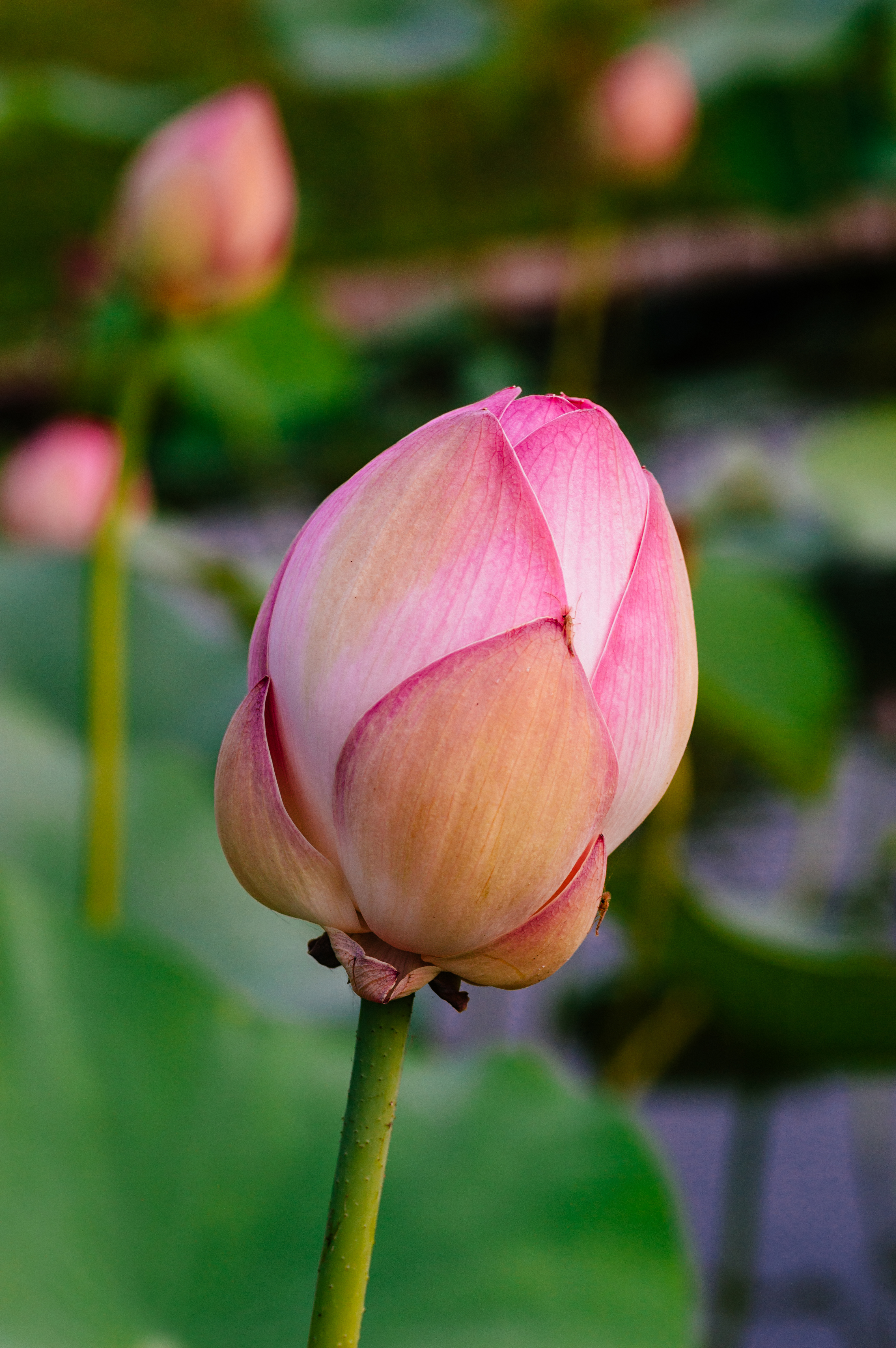
Sacred Lotus
Least ConcernWhat is the Sacred Lotus? Nelumbo nucifera, known as the sacred lotus, is an aquatic perennial plant famous for its symbolic, pristine blooms that rise above muddy waters. Often confused with water lilies, the lotus belongs to a distinct family, Nelumbonaceae. Native to Asia, the plant holds deep spiritual and cultural significance in Hinduism and Buddhism. It is also famous for the 'lotus effect'—the self-cleaning properties of its water-repellent leaves.

Giant Water Lily
VulnerableWhat is the Giant Water Lily? Victoria amazonica is the largest species of the Nymphaeaceae family of water lilies. Native to the slow-moving rivers and lagoons of the Amazon Rainforest, it is famous for its colossal floating leaves that can grow up to 3 meters (10 feet) in diameter. These leaves possess turned-up rims and are structurally reinforced on their undersides with air-filled ribs, allowing them to support the weight of a small child. The plant features a unique pollination relationship with scarab beetles.