Sacred Lotus
Quick Facts & Botanical Stats
Species Overview
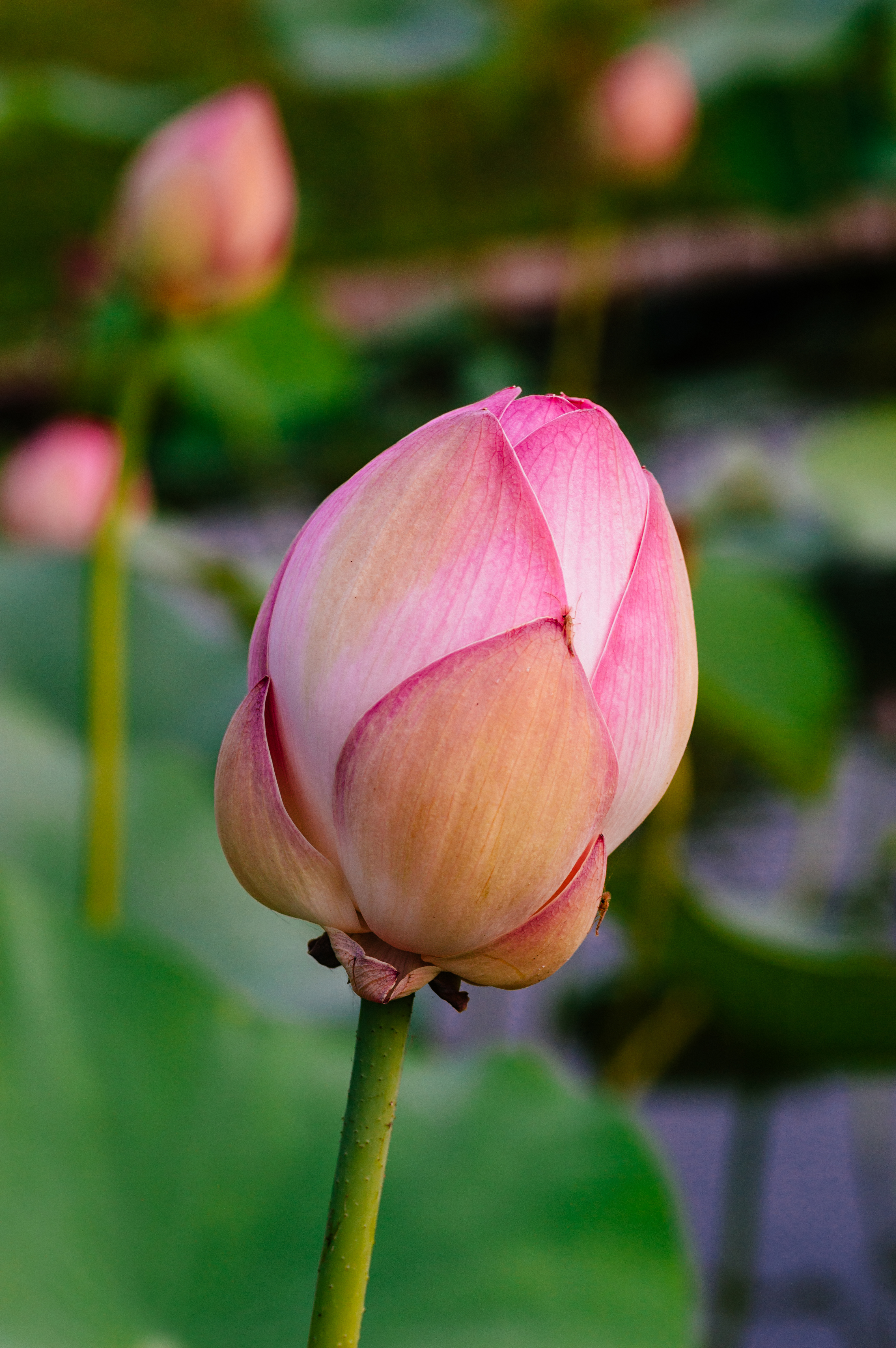
What is the Sacred Lotus? Nelumbo nucifera, known as the sacred lotus, is an aquatic perennial plant famous for its symbolic, pristine blooms that rise above muddy waters. Often confused with water lilies, the lotus belongs to a distinct family, Nelumbonaceae. Native to Asia, the plant holds deep spiritual and cultural significance in Hinduism and Buddhism. It is also famous for the 'lotus effect'—the self-cleaning properties of its water-repellent leaves.
Physical Appearance & Anatomy
What does a lotus plant look like? The sacred lotus grows from thick rhizomes buried in the mud at the bottom of ponds. Its large, circular leaves grow on long stalks, rising up to 1.5 meters above the water surface rather than floating on it. What is the lotus effect? The leaves are coated in microscopic wax crystals that repel water, causing droplets to roll off, carrying dirt and debris with them. The flowers are large, pink or white, with multiple layers of petals surrounding a central, cone-shaped seed pod.
Habitat & Growth Behavior
How do lotuses adapt to muddy ponds? The lotus grows in wetlands, lakes, and muddy floodplains. Its leaves and roots contain a system of air canals (aerenchyma) that transport oxygen from the leaves down to the submerged roots buried in anaerobic mud. The plant exhibits thermoregulation: during blooming, the flowers can maintain a temperature of 30–35°C (86–95°F) even when the surrounding air is cool, which helps vaporize scent and attract warm-blooded insect pollinators.
Ecological Role & Symbioses
What insects pollinate the lotus? The warm flowers attract beetles, bees, and flies, providing them with shelter and food. The submerged root systems provide crucial spawning grounds for fish and shelter for aquatic invertebrates. Are lotus plants edible? Yes, every part of the plant, including the rhizomes, seeds, leaves, and flower stalks, is edible and widely used in traditional Asian cuisines and herbal medicine.
Reproduction, Lifecycle & Propagation
How do lotuses reproduce? Lotuses reproduce sexually via insect pollination and vegetatively via spreading underwater rhizomes. Once fertilized, the petals fall off, and the central seed pod matures, drying out and dropping seeds into the water. How long can lotus seeds survive? Lotus seeds are famous for their longevity, having a hard, water-impermeable seed coat that protects the embryo. In 1995, botanists successfully germinated a lotus seed recovered from a dry lakebed in China that was radiocarbon dated to be approximately 1,300 years old.
Conservation Status & Environmental Threats
The sacred lotus is classified as Least Concern on the IUCN Red List. It is widely cultivated throughout Asia for food, medicine, and ornamental purposes. Wild populations are generally stable, though wetland drainage, water pollution from agricultural runoff, and river channelization pose localized threats to wild populations. Conservation efforts focus on wetland habitat preservation.
Interesting Fun Facts
- The leaves of the lotus are water-repellent; water droplets bead up and roll off, collecting dirt in a self-cleaning phenomenon called the 'Lotus Effect'.
- Lotus seeds have a tough outer shell and can remain dormant but viable for over 1,000 years.
- The lotus is the national flower of both India and Vietnam, representing purity and enlightenment.
- Lotus flowers are thermogenic, meaning they can generate heat to keep the flower warm, attracting beetles and bees.
Related Plants

Giant Water Lily
VulnerableWhat is the Giant Water Lily? Victoria amazonica is the largest species of the Nymphaeaceae family of water lilies. Native to the slow-moving rivers and lagoons of the Amazon Rainforest, it is famous for its colossal floating leaves that can grow up to 3 meters (10 feet) in diameter. These leaves possess turned-up rims and are structurally reinforced on their undersides with air-filled ribs, allowing them to support the weight of a small child. The plant features a unique pollination relationship with scarab beetles.
Garden Rose
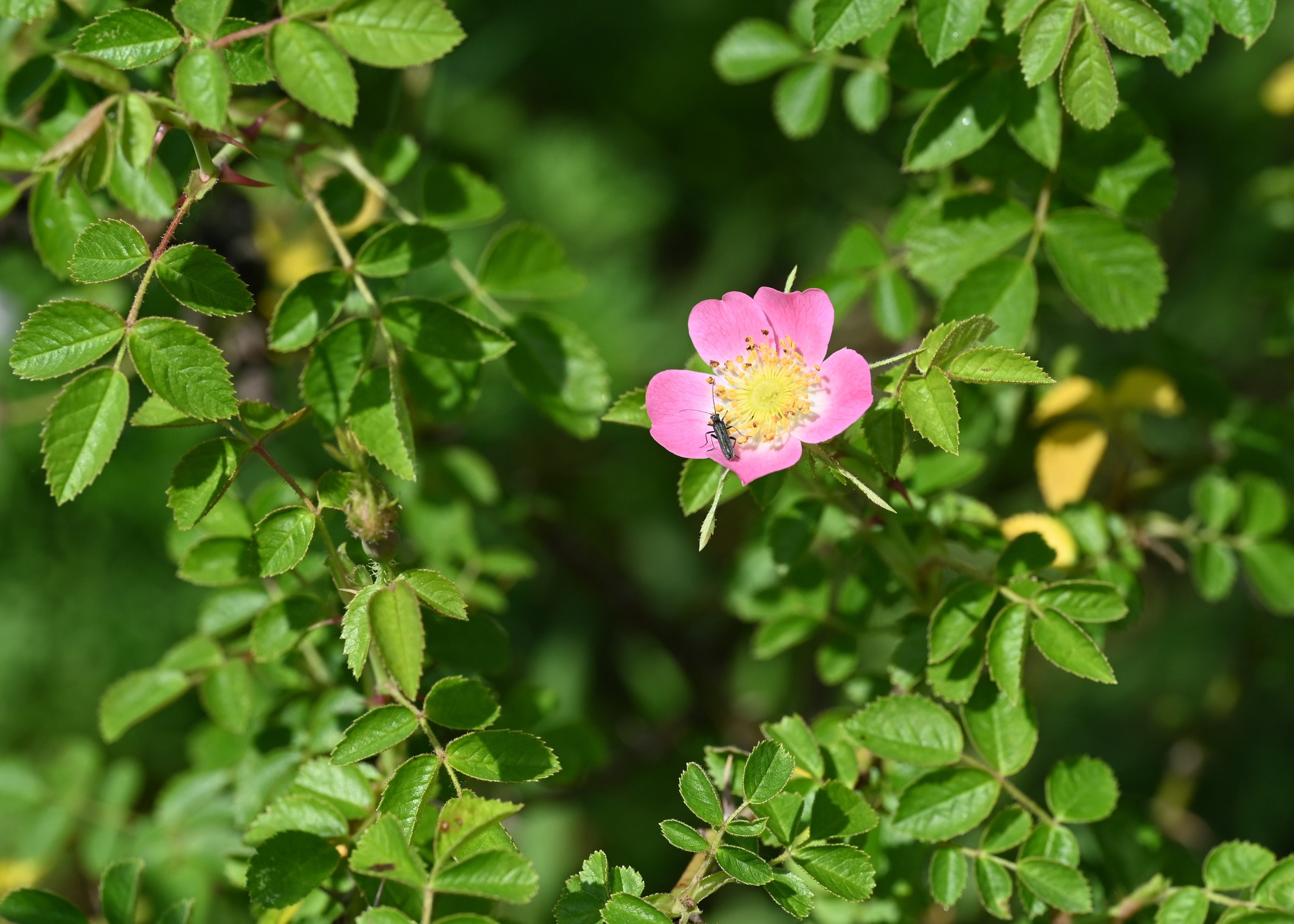
Least ConcernWhat is a rose? The rose (Rosa rubiginosa) is a woody perennial flowering plant belonging to the Rosaceae family. Renowned globally for its ornamental beauty, fragrant blooms, and cultural significance, the rose is one of the most widely cultivated flowers. Roses grow as erect shrubs, climbing vines, or trailing groundcovers, often armed with sharp thorns that serve as physical defenses. In addition to their aesthetic appeal, roses yield rose hips, which are rich in Vitamin C and used in teas, syrups, and skincare products.