
Giant Water Lily
Quick Facts & Botanical Stats
Species Overview
What is the Giant Water Lily? Victoria amazonica is the largest species of the Nymphaeaceae family of water lilies. Native to the slow-moving rivers and lagoons of the Amazon Rainforest, it is famous for its colossal floating leaves that can grow up to 3 meters (10 feet) in diameter. These leaves possess turned-up rims and are structurally reinforced on their undersides with air-filled ribs, allowing them to support the weight of a small child. The plant features a unique pollination relationship with scarab beetles.
Physical Appearance & Anatomy
What do Giant Water Lily leaves look like? The leaves of Victoria amazonica are circular, floating plates with high, upturned edges that prevent water from washing over them. Why do water lily leaves float? The underside of each leaf is covered in a web-like network of thick, air-filled veins that provide structural support and buoyancy. The underside is also covered in sharp spines that protect the leaf from herbivorous fish. The flowers are massive, blooming only at night. They open as white on the first night, emitting a sweet fragrance, and turn pink or purple by the second night.
Habitat & Growth Behavior
Where does the giant water lily grow? This plant is adapted to warm, shallow, calm waters of oxbow lakes, lagoons, and slow-moving tributaries of the Amazon River. The leaves float on the water surface to maximize photosynthesis in the crowded aquatic ecosystem. The long, flexible leaf stalks (petioles) anchor the plant to the muddy riverbed, extending up to 7 meters. The turned-up rims of the leaves have narrow slits that allow rainwater to drain off quickly.
Ecological Role & Symbioses
What is the ecological role of the water lily? The massive leaves shade the water surface, reducing algae growth and creating shelter for fish and aquatic invertebrates. How does pollination work? The night-blooming flowers attract scarab beetles (Cyclocephala) using warmth and a strong pineapple scent. The flower closes during the day, trapping the beetles inside. As the beetles feed and move around, they deposit pollen. The next night, the flower opens, turns pink, releases the beetles coated in new pollen, and ceases its scent production.
Reproduction, Lifecycle & Propagation
The giant water lily reproduces sexually through this beetle-mediated pollination. After pollination, the flower stalk coils, pulling the developing seed head underwater. The seeds mature submerged in the mud and germinate in the spring. In their native tropical habitats, they grow as short-lived perennials, but in temperate botanical gardens, they are often cultivated as annuals due to their high warmth requirements.
Conservation Status & Environmental Threats
Victoria amazonica is currently classified as Vulnerable in its wild range. Wild populations are declining due to habitat destruction in the Amazon basin, river siltation from deforestation, mining activities, and dam construction. Climate change causing severe seasonal droughts also threatens the permanent lagoons they depend on. They are highly protected in conservation reserves and widely conserved in botanical gardens worldwide.
Interesting Fun Facts
- The massive leaves can reach up to 3 meters (10 feet) in diameter and support up to 45 kg (100 lbs) of weight if distributed evenly.
- The flowers bloom only at night, opening white and female on the first night, and closing to trap beetles before reopening pink and male on the second night.
- The underside of the giant leaf is covered in sharp, defensive spines to prevent fish and manatees from eating them.
- It was named in honor of Queen Victoria of the United Kingdom shortly after its discovery by European botanists.
Related Plants
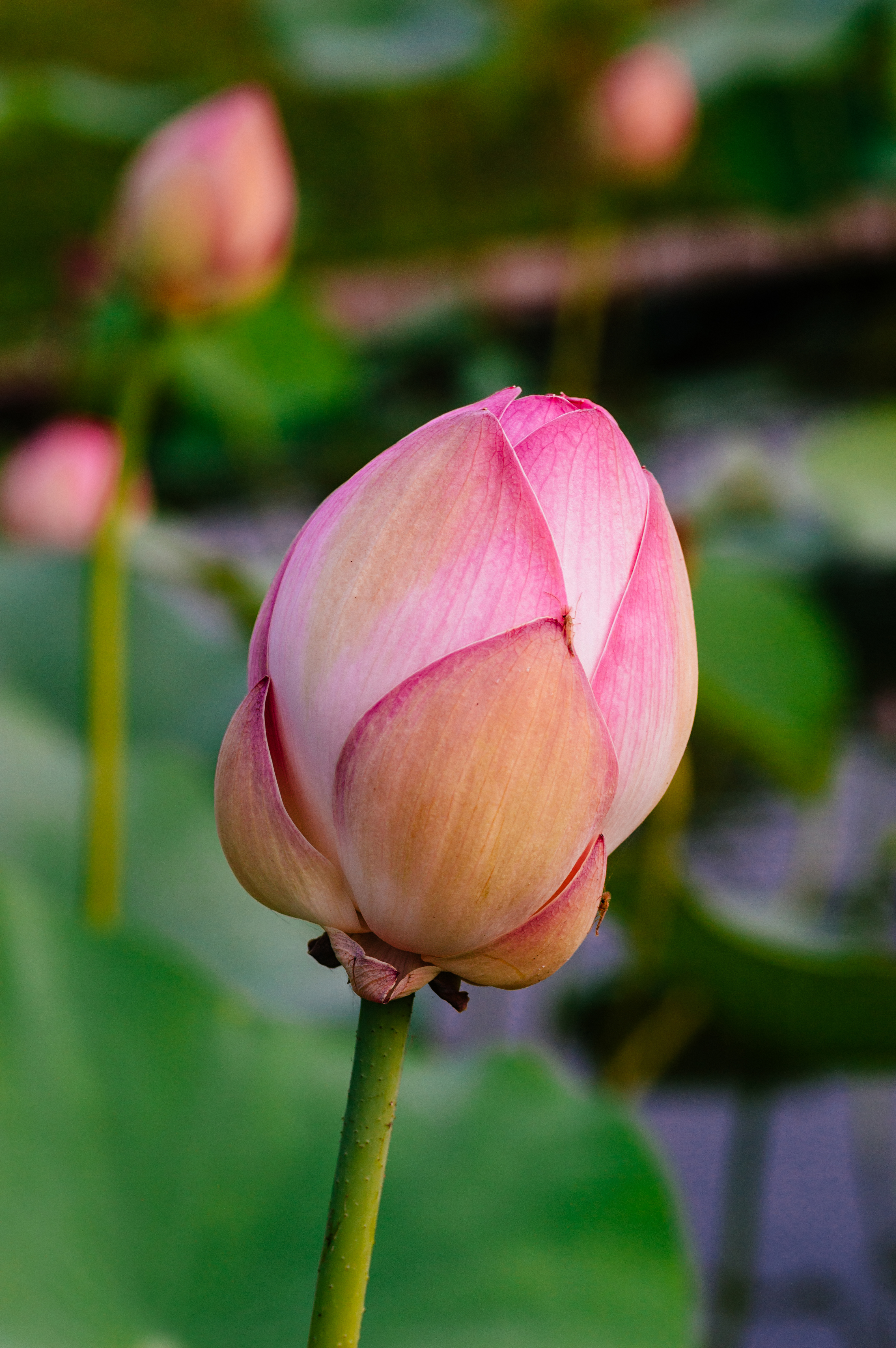
Sacred Lotus
Least ConcernWhat is the Sacred Lotus? Nelumbo nucifera, known as the sacred lotus, is an aquatic perennial plant famous for its symbolic, pristine blooms that rise above muddy waters. Often confused with water lilies, the lotus belongs to a distinct family, Nelumbonaceae. Native to Asia, the plant holds deep spiritual and cultural significance in Hinduism and Buddhism. It is also famous for the 'lotus effect'—the self-cleaning properties of its water-repellent leaves.

Moth Orchid
Least ConcernWhat is a moth orchid? The moth orchid (Phalaenopsis amabilis) is an epiphytic perennial plant belonging to the Orchidaceae family, one of the two largest families of flowering plants. Native to the warm, humid rainforests of Southeast Asia, it grows attached to the bark of trees rather than in soil. Known for its elegant, long-lasting flowers that resemble moths in flight, it is highly popular as an indoor houseplant and is a national flower of Indonesia.