Cedar of Lebanon
Quick Facts & Botanical Stats
Species Overview
What is the Cedar of Lebanon? The Cedar of Lebanon (Cedrus libani) is a large, majestic coniferous evergreen tree in the Pinaceae family. Famous for its horizontal, tiered branches and deep historical significance, it is the national emblem of Lebanon. The wood is highly fragrant, durable, and was used in antiquity by the Phoenicians, Egyptians, and King Solomon to build temples and ships.
Physical Appearance & Anatomy
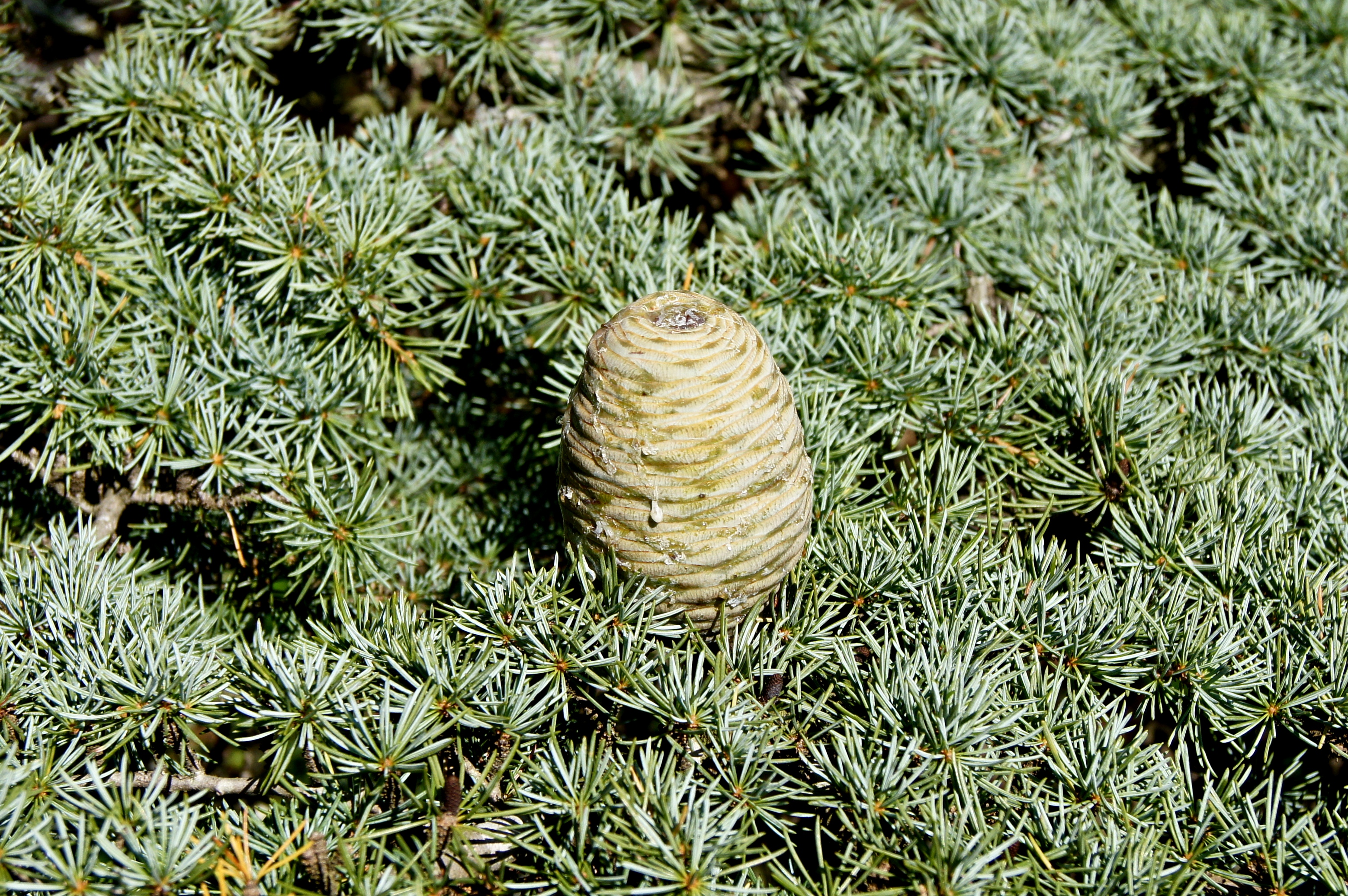
What does a Cedar of Lebanon look like? Young trees are conical, but as they age, they develop a massive, flat-topped crown with wide, horizontal, tiered branches. The bark is dark grey and deeply cracked. The needles are short, stiff, dark green, and grow in dense tufts of 15 to 45 on short shoots. How do the cones look? The cones are barrel-shaped, grey-green, and sit upright on the branches.
Habitat & Growth Behavior
Where do these cedars grow? They grow in mountain forests at elevations between 1,000 and 2,000 meters, thriving on rocky, calcareous soils. They require wet winters with heavy snowpack and hot, dry summers. How do they adapt? Their wide-spreading root system anchors them on steep, rocky cliffs, and their thick wood resists winter frost and summer droughts.
Ecological Role & Symbioses
What is the ecological role of the cedar? The cedar forest canopy regulates mountain hydrology, absorbing winter snow and slowly releasing moisture. What wildlife does it shelter? The horizontal branches provide ideal nesting sites for eagles and owls. The seeds feed mountain rodents and birds. The aromatic resin in the wood acts as a natural deterrent against fungi and boring insects.
Reproduction, Lifecycle & Propagation
Cedars of Lebanon reproduce sexually. They are monoecious. In autumn, male cones release pollen into the wind. The female cones take two years to mature, turning from green to brown. Upon maturity, the cones do not fall off the tree; instead, they disintegrate on the branches, releasing winged seeds into the wind. They grow slowly and can live for 500 to 1,000 years.
Conservation Status & Environmental Threats
Cedrus libani is listed as Vulnerable on the IUCN Red List. Centuries of exploitation for its valuable timber have reduced Lebanon's cedar forests to isolated remnants. Today, they are strictly protected. Modern threats include climate change (reducing the snowpack they need to germinate) and grazing of young seedlings by goats.
Interesting Fun Facts
- The Cedar of Lebanon is the national emblem of Lebanon, proudly featured in the center of the Lebanese national flag.
- The wood of the cedar is highly aromatic and rot-resistant; it was used by ancient Egyptians to build sarcophagi and extract oil for mummification.
- The tree's branches grow horizontally in wide, flat layers, giving mature specimens a unique, table-like shape.
- King Solomon's Temple in Jerusalem was built using timber imported from the cedar forests of Lebanon.
Related Plants
Great Basin Bristlecone Pine
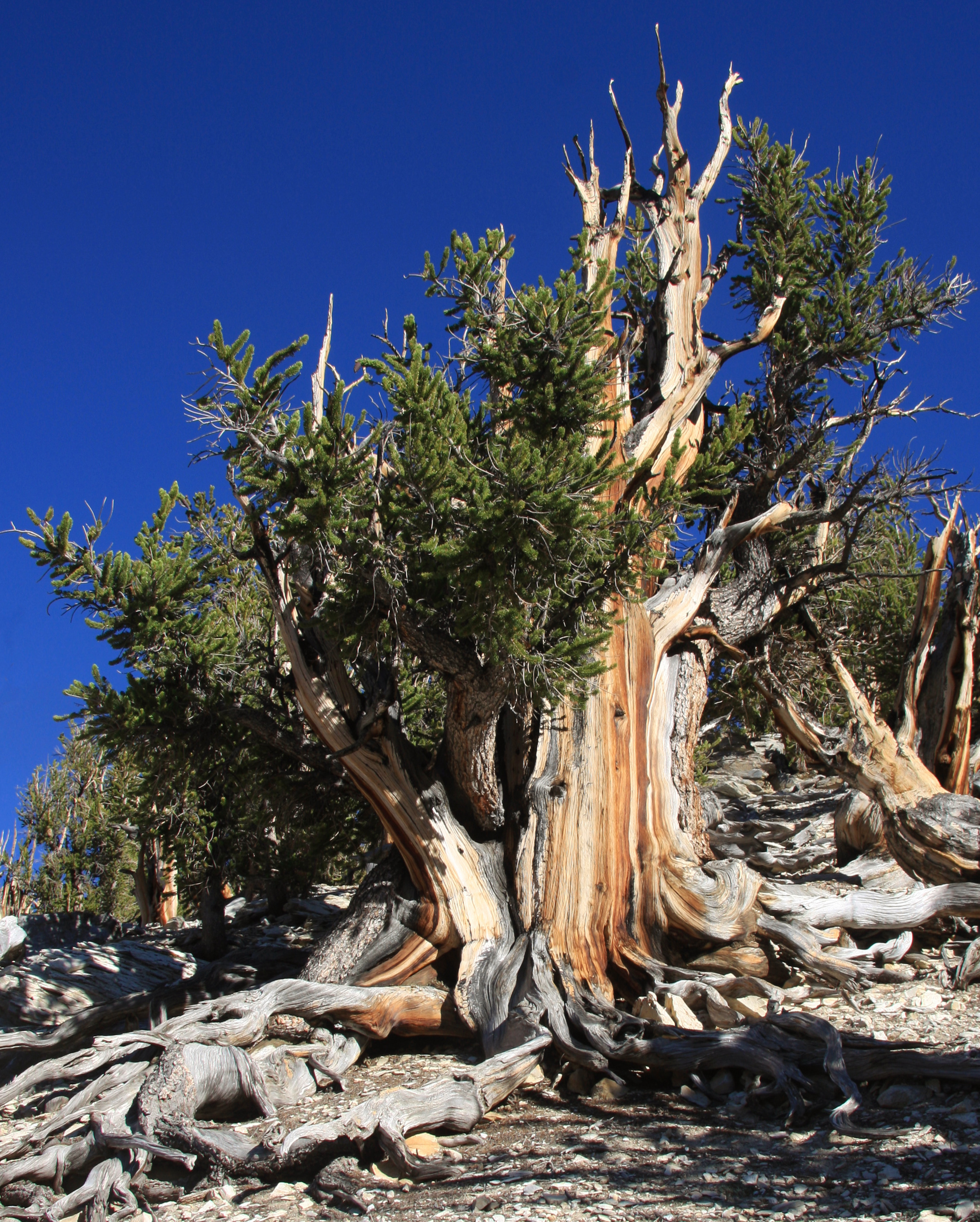
Least ConcernWhat is a bristlecone pine? The Great Basin bristlecone pine (Pinus longaeva) is an extremely long-lived coniferous tree native to the high-altitude mountain ranges of the American Southwest. It is globally famous as the oldest known non-clonal living organism on Earth, with individual trees documented to be over 4,800 years old. Growing in harsh, wind-swept, alpine conditions where other plants cannot survive, these trees grow incredibly slowly, developing dense, resinous wood that resists decay.

Ginkgo Biloba
EndangeredWhat is a ginkgo tree? Ginkgo biloba, commonly known as the ginkgo or maidenhair tree, is an ancient deciduous tree and the sole surviving member of the division Ginkgophyta. Often referred to as a 'living fossil', the ginkgo has remained virtually unchanged for over 200 million years, predating the dinosaurs. While technically classified as a gymnosperm (like conifers), it features flat, fan-shaped leaves and has been cultivated in China for thousands of years for food, medicine, and temple landscaping.