
Common Jasmine
Quick Facts & Botanical Stats
Species Overview
What is jasmine? Common jasmine (Jasminum officinale) is a deciduous climbing vine in the Oleaceae (olive) family. Globally famous for its intense, sweet, exotic fragrance, it is a key ingredient in perfumes, aromatherapy, and green jasmine teas. Native to the valleys of the Himalayas, it is a vigorous climber that uses its twisting stems to ascend structures.
Physical Appearance & Anatomy
What does jasmine look like? Jasmine grows as a scrambling vine with green, angled stems. The leaves are pinnate, composed of 5 to 9 small, lance-shaped green leaflets. How do jasmine flowers look? The flowers are small, star-shaped, and grow in terminal clusters. Each flower has five white petals fused at the base into a narrow tube. The flowers release their volatile oils in the evening, reaching peak fragrance at night.
Habitat & Growth Behavior
Where does jasmine grow? Jasmine thrives in fertile, moist, well-drained soils under full sun to partial shade. It is a temperate vine, requiring cool winter rest to bloom well, but can tolerate moderate frosts. It climbs by wrapping its tender stems around twigs, fences, and trellises. It grows rapidly in spring, blooming throughout the summer and autumn.
Ecological Role & Symbioses
What pollinators visit jasmine? The sweet fragrance is strongest at night, attracting nocturnal pollinators, including hawk moths and sphinx moths, as well as daytime bees and butterflies. Is jasmine helpful to wildlife? Its dense, tangled growth provides protective cover and nesting sites for songbirds, and its leaves feed various caterpillar species.
Reproduction, Lifecycle & Propagation
How does jasmine reproduce? It reproduces sexually by producing black, fleshy berries containing seeds. Asexually, it is propagated via semi-ripe stem cuttings in summer or layering. Cut stems root quickly in moist sand. Jasmine vines grow rapidly, establishing thick, woody bases over time, and can live for 15 to 20 years in gardens.
Conservation Status & Environmental Threats
Jasminum officinale is classified as Least Concern on the IUCN Red List. It is cultivated globally. Wild populations in the Himalayas and Caucasus are stable and face minimal threats. Cultivated jasmines are hardy, but can be affected by aphids, mealybugs, and fungal leaf spot if grown in damp, unventilated conditions.
Interesting Fun Facts
- Jasmine flowers release their fragrance most intensely after dark, which is why they are harvested at night for perfume essential oils.
- It takes about 8,000 hand-picked jasmine flowers to produce just one gram (or 1/30th of an ounce) of jasmine absolute oil.
- Jasmine tea is made by layering green tea leaves with fresh jasmine flowers, allowing the tea to absorb the floral scent.
- The name jasmine comes from the Persian word 'yasmin', meaning 'gift from God'.
Related Plants
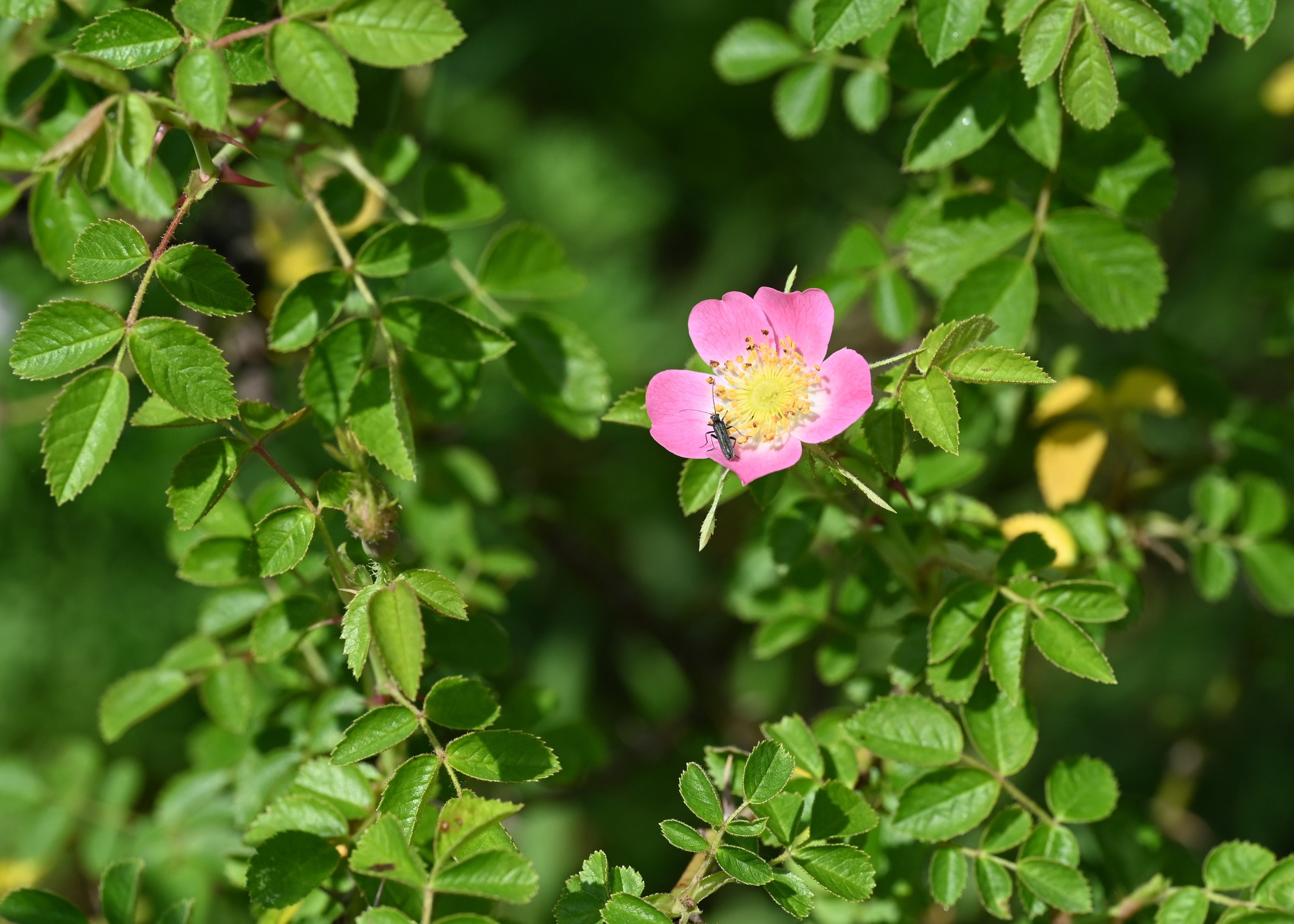
Garden Rose
Least ConcernWhat is a rose? The rose (Rosa rubiginosa) is a woody perennial flowering plant belonging to the Rosaceae family. Renowned globally for its ornamental beauty, fragrant blooms, and cultural significance, the rose is one of the most widely cultivated flowers. Roses grow as erect shrubs, climbing vines, or trailing groundcovers, often armed with sharp thorns that serve as physical defenses. In addition to their aesthetic appeal, roses yield rose hips, which are rich in Vitamin C and used in teas, syrups, and skincare products.

English Lavender
Least ConcernWhat is lavender? English lavender (Lavandula angustifolia) is a highly aromatic perennial shrub in the Lamiaceae (mint) family. Globally valued for its soothing fragrance, striking purple flower spikes, and essential oils, it is a staple of cosmetics, herbal medicine, and culinary arts. It is adapted to dry climates, possessing narrow, silvery-green leaves that reduce transpiration.