
English Lavender
Quick Facts & Botanical Stats
Species Overview
What is lavender? English lavender (Lavandula angustifolia) is a highly aromatic perennial shrub in the Lamiaceae (mint) family. Globally valued for its soothing fragrance, striking purple flower spikes, and essential oils, it is a staple of cosmetics, herbal medicine, and culinary arts. It is adapted to dry climates, possessing narrow, silvery-green leaves that reduce transpiration.
Physical Appearance & Anatomy
What does lavender look like? Lavender grows in rounded, dense mounds of upright stems. Its leaves are opposite, narrow, and coated in fine hairs that give them a silvery-grey tint. How do lavender flowers look? The flowers are small, tubular, and arranged in dense whorls along spikes rising above the foliage. The flowers are typically lavender-blue, violet, or deep purple, though pink and white varieties exist. The entire plant is rich in oil glands that release aromatic terpenes when brushed.
Habitat & Growth Behavior
Where does lavender grow in the wild? Native to the sunny hillsides and mountains of the Mediterranean, it thrives in dry, rocky, alkaline, well-drained soils and requires full sun. It is extremely drought-tolerant once established, using its deep root system to access moisture. Lavender enters dormancy in winter, surviving moderate frosts, and resumes rapid growth in spring, blooming throughout the summer.
Ecological Role & Symbioses
What pollinators does lavender attract? Lavender is a premier insectary plant, attracting honeybees, wild bumblebees, butterflies, and hoverflies with its high-sugar nectar. Does lavender deter pests? Yes, the high concentration of aromatic oils (particularly linalool) repels grazing deer, rabbits, and harmful garden pests like mosquitoes, acting as a natural companion plant for surrounding vegetation.
Reproduction, Lifecycle & Propagation
How does lavender reproduce? Lavender reproduces sexually through insect pollination, producing small nutlet seeds inside dried calyces. It also propagates vegetatively via semi-ripe stem cuttings in summer, which root easily in sandy soil. In cultivation, lavender maintains peak health for 10 to 15 years, after which it tends to become woody and less productive.
Conservation Status & Environmental Threats
Lavandula angustifolia is classified as Least Concern on the IUCN Red List. It is abundant globally due to horticultural cultivation. Wild populations in the Mediterranean face minor localized threats from habitat encroachment, over-harvesting, and climate change causing wetter winters that lead to root rot. Cultivated plants are resilient but require careful pruning to prevent woody collapse.
Interesting Fun Facts
- The name lavender comes from the Latin verb 'lavare', meaning 'to wash', referring to its ancient use in Roman baths.
- Lavender oil is a natural antiseptic and has been used for centuries to soothe insect bites, burns, and promote sleep.
- The plant's silvery leaves are an adaptation to reflect harsh sunlight and conserve water.
- In the language of flowers, lavender represents devotion, purity, and serenity.
Related Plants
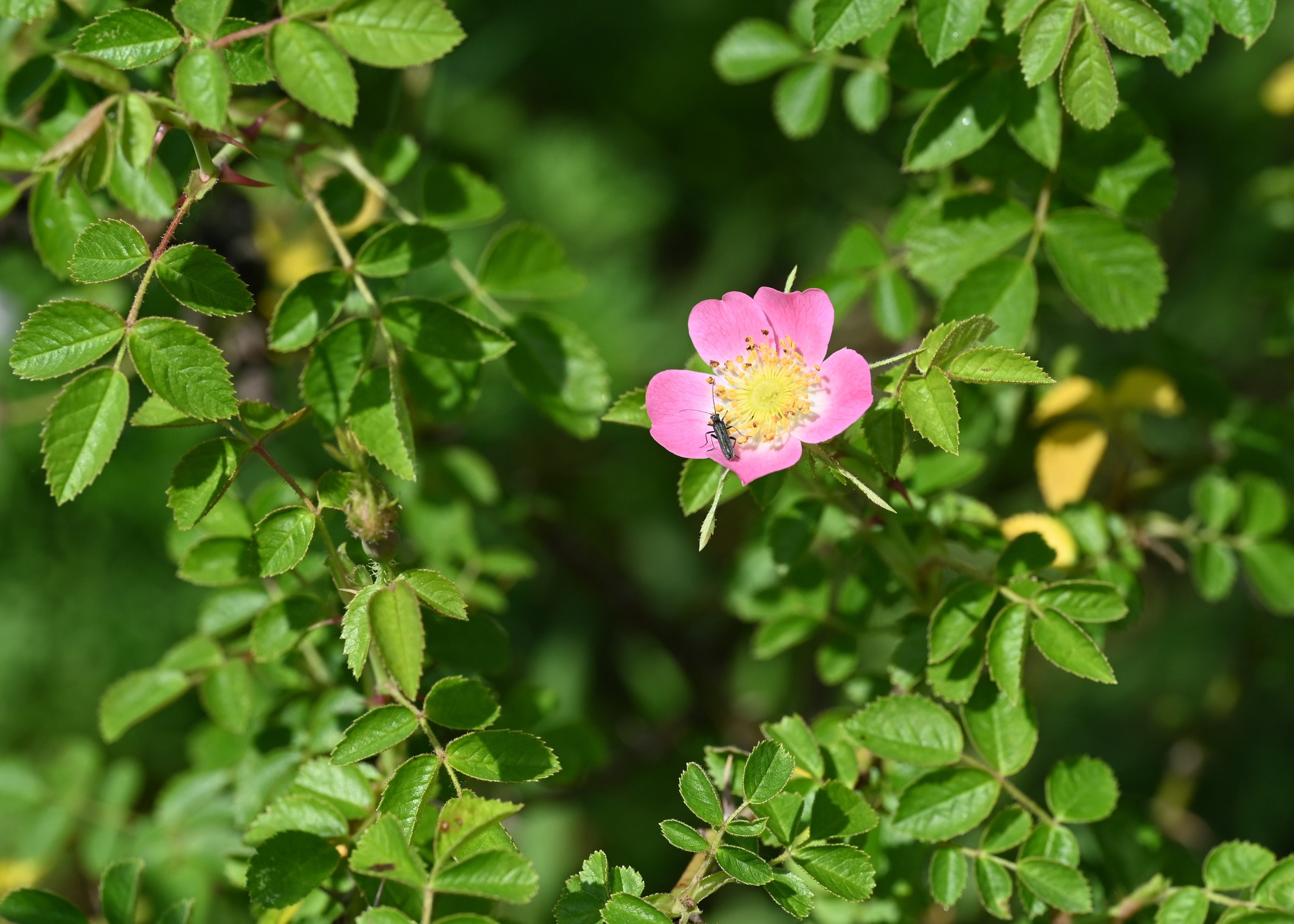
Garden Rose
Least ConcernWhat is a rose? The rose (Rosa rubiginosa) is a woody perennial flowering plant belonging to the Rosaceae family. Renowned globally for its ornamental beauty, fragrant blooms, and cultural significance, the rose is one of the most widely cultivated flowers. Roses grow as erect shrubs, climbing vines, or trailing groundcovers, often armed with sharp thorns that serve as physical defenses. In addition to their aesthetic appeal, roses yield rose hips, which are rich in Vitamin C and used in teas, syrups, and skincare products.

Common Jasmine
Least ConcernWhat is jasmine? Common jasmine (Jasminum officinale) is a deciduous climbing vine in the Oleaceae (olive) family. Globally famous for its intense, sweet, exotic fragrance, it is a key ingredient in perfumes, aromatherapy, and green jasmine teas. Native to the valleys of the Himalayas, it is a vigorous climber that uses its twisting stems to ascend structures.