
Common Lilac
Quick Facts & Botanical Stats
Species Overview
What is a lilac? The common lilac (Syringa vulgaris) is a large deciduous woody shrub in the Oleaceae family. Famous for its highly fragrant, dense purple flower clusters that bloom for a brief period in late spring, it is a beloved heritage garden plant. Native to the rocky hillsides of the Balkans, it is exceptionally long-lived and cold-hardy.
Physical Appearance & Anatomy
What does a lilac look like? Lilac grows as a multi-stemmed shrub or small tree. Its leaves are opposite, heart-shaped, smooth, and dark green, lacking autumn color and falling green in winter. How do lilac flowers look? The flowers are small, tubular, four-lobed, and arranged in large, conical clusters (panicles) up to 20 cm long. The flowers are typically lilac-purple, but cultivars exist in deep violet, white, pink, and yellow.
Habitat & Growth Behavior
Where do lilacs grow in the wild? Wild lilacs grow on dry, gravelly limestone hillsides and cliffs. They require full sun (at least 6 hours daily) and neutral-to-alkaline, well-drained soils. Lilacs require a cold winter freeze to trigger bud development; they will not bloom in warm, tropical climates. They bloom for 2 weeks in late spring and enter dormancy in late autumn.
Ecological Role & Symbioses
What pollinators visit lilacs? The highly fragrant, nectar-rich blooms attract swallowtail butterflies, bumblebees, and clearwing hummingbird moths in late spring. Are lilacs resistant to pests? Lilacs are relatively deer-resistant. The old, woody trunks provide nesting sites for birds, and the dense foliage provides cover for small forest animals.
Reproduction, Lifecycle & Propagation
How do lilacs reproduce? Lilacs reproduce sexually by seeds produced in small, dry brown capsules. Vegetatively, they spread by sending up suckers (clones) from their root systems. Over decades, a single lilac shrub can spread to form a dense thicket. Lilacs grow slowly but are very long-lived, commonly surviving for 50 to 100 years.
Conservation Status & Environmental Threats
Syringa vulgaris is classified as Least Concern. It is widely cultivated globally. Wild populations in the Balkans are restricted to limestone hills but are stable and protected. Cultivated lilacs are susceptible to powdery mildew (a cosmetic white fungus) and lilac borers, managed by pruning out old stems to improve air circulation.
Interesting Fun Facts
- Lilac bushes are extremely long-lived; some plants planted in North American colonies in the 1700s are still living and blooming today.
- Lilacs require a period of freezing temperatures in winter to develop flowers, making them unsuitable for warm climates.
- The purple common lilac represents first love, while the white lilac represents youthful innocence.
- Lilac wood is dense and hard, historically used to make musical instruments, tool handles, and engravings.
Related Plants

Common Jasmine
Least ConcernWhat is jasmine? Common jasmine (Jasminum officinale) is a deciduous climbing vine in the Oleaceae (olive) family. Globally famous for its intense, sweet, exotic fragrance, it is a key ingredient in perfumes, aromatherapy, and green jasmine teas. Native to the valleys of the Himalayas, it is a vigorous climber that uses its twisting stems to ascend structures.
Garden Rose
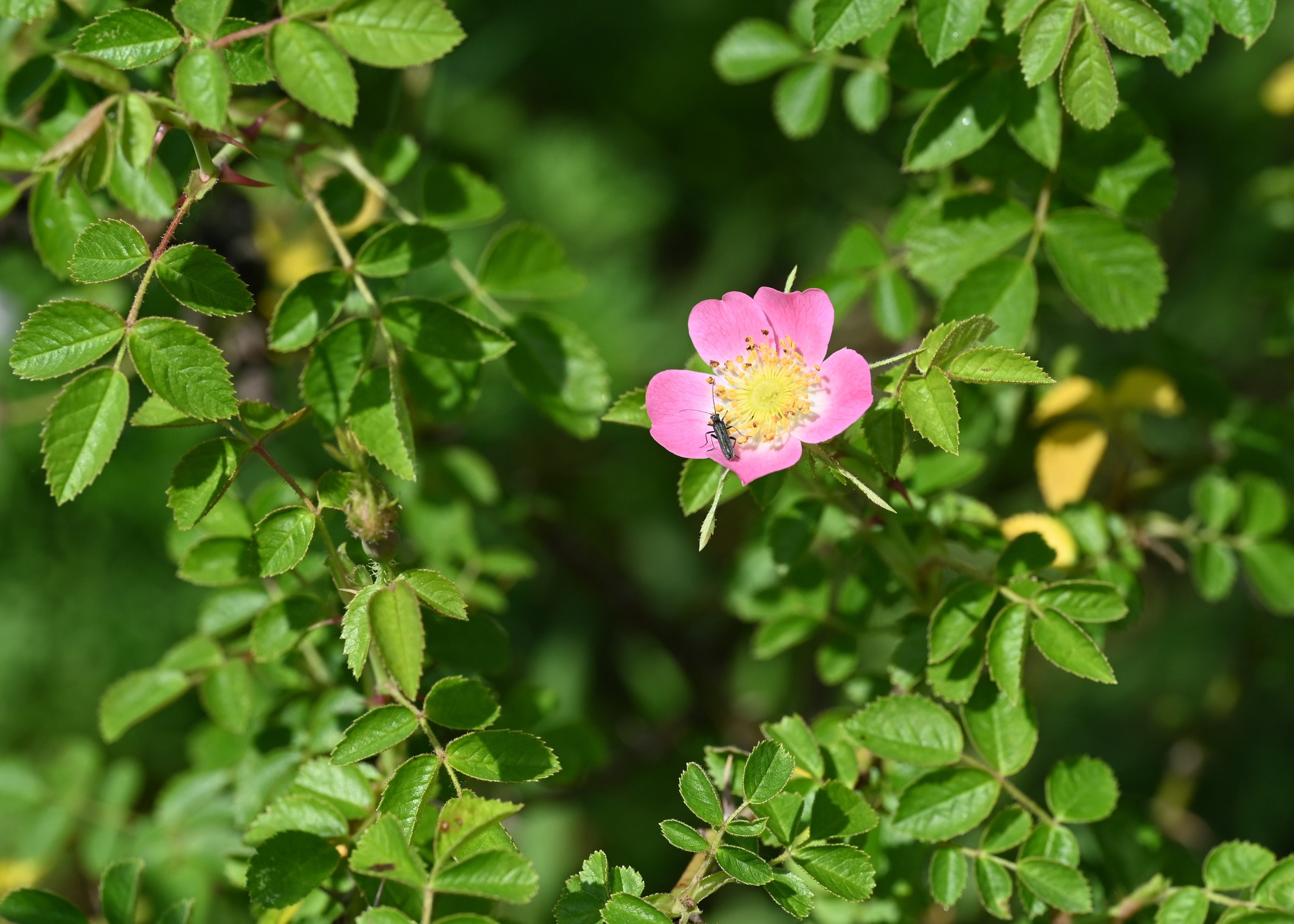
Least ConcernWhat is a rose? The rose (Rosa rubiginosa) is a woody perennial flowering plant belonging to the Rosaceae family. Renowned globally for its ornamental beauty, fragrant blooms, and cultural significance, the rose is one of the most widely cultivated flowers. Roses grow as erect shrubs, climbing vines, or trailing groundcovers, often armed with sharp thorns that serve as physical defenses. In addition to their aesthetic appeal, roses yield rose hips, which are rich in Vitamin C and used in teas, syrups, and skincare products.