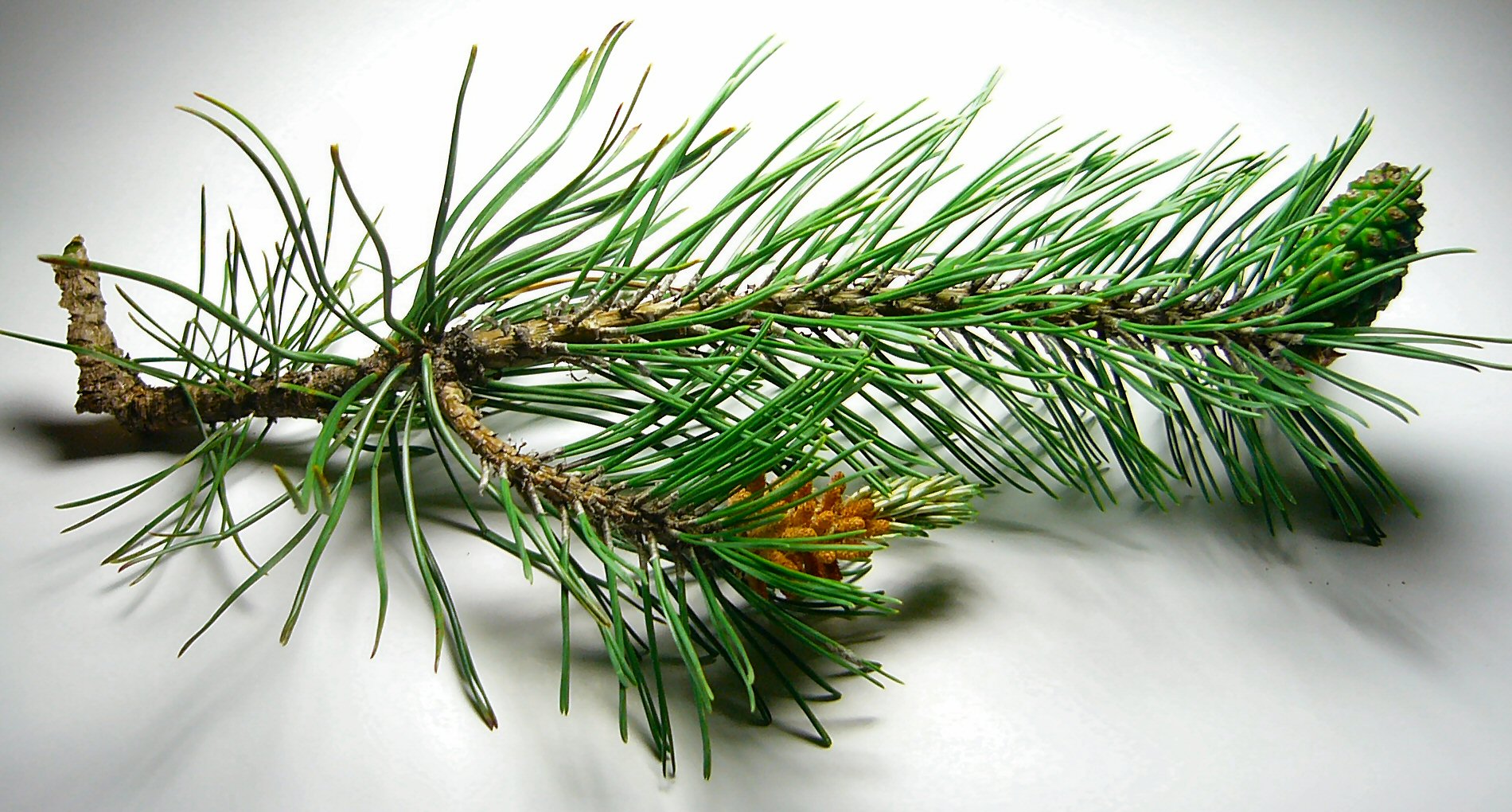
Lodgepole Pine
Quick Facts & Botanical Stats
Species Overview
A straight-trunked pine tree that dominates fire-adapted northern forests.
Physical Appearance & Anatomy
A visual marvel of the conifers family. A straight-trunked pine tree that dominates fire-adapted northern forests.
Habitat & Growth Behavior
Well-adapted to tolerate local conditions in forest regions.
Ecological Role & Symbioses
Contributes to the biodiversity and stability of its ecosystem.
Reproduction, Lifecycle & Propagation
Reproduces seasonally via seeds or spores.
Conservation Status & Environmental Threats
Vulnerable to local habitat modification and climate shifts.
Interesting Fun Facts
- Its pine cones are serotinous, meaning they require the heat of a forest fire to open and release seeds.
- Thrives under appropriate sunlight and water access.
Related Plants

Coast Redwood
EndangeredWhat is a Coast Redwood? Sequoia sempervirens, the coast redwood, is a massive coniferous evergreen tree belonging to the Cupressaceae family. It is the tallest living tree species on Earth, reaching heights of over 115 meters (377 feet). Restricted to a narrow coastal strip in California and Oregon, redwoods are ancient giants that can live for over 2,000 years. They form unique ecosystems characterized by thick bark, massive carbon storage, and a reliance on coastal fog.
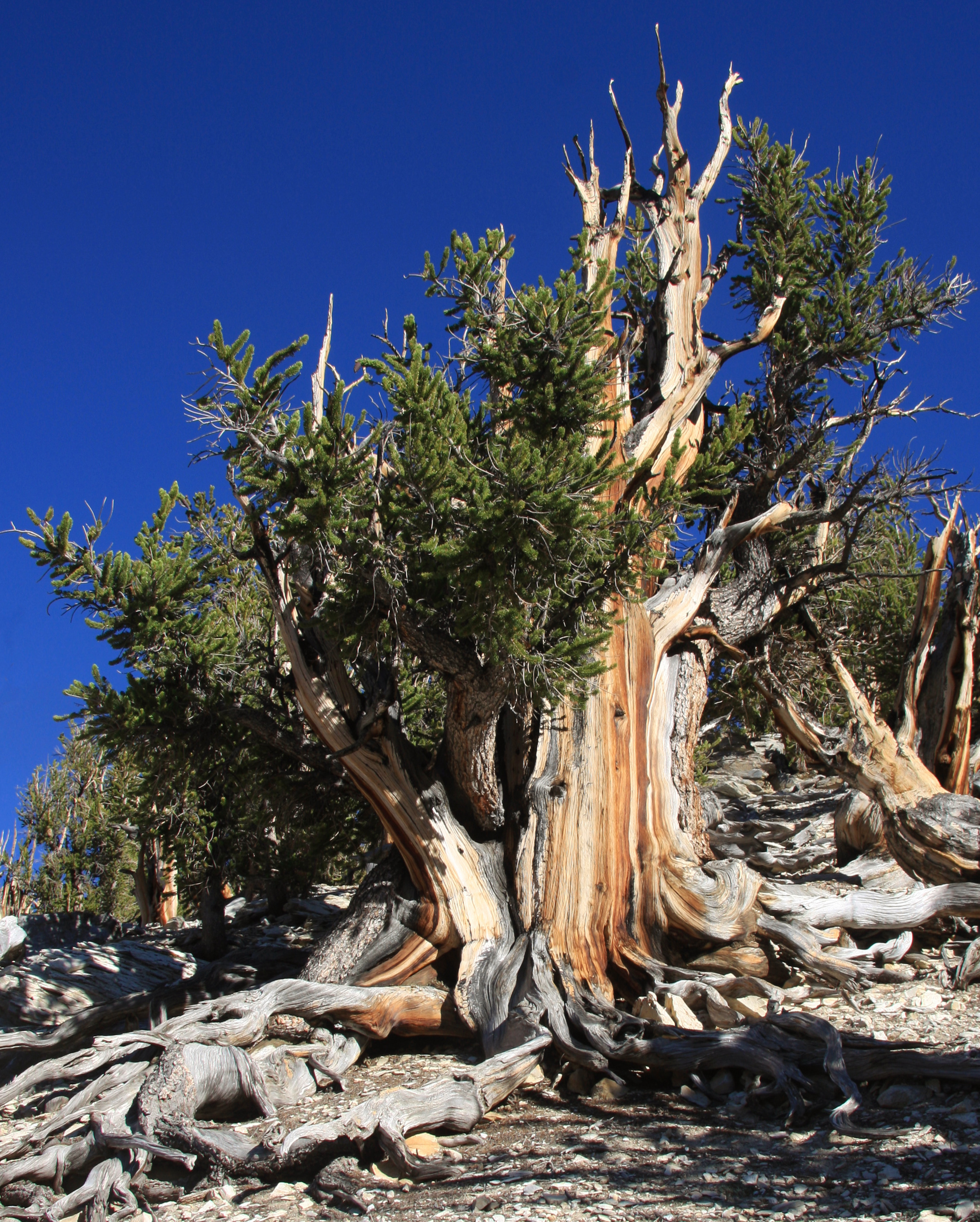
Great Basin Bristlecone Pine
Least ConcernWhat is a bristlecone pine? The Great Basin bristlecone pine (Pinus longaeva) is an extremely long-lived coniferous tree native to the high-altitude mountain ranges of the American Southwest. It is globally famous as the oldest known non-clonal living organism on Earth, with individual trees documented to be over 4,800 years old. Growing in harsh, wind-swept, alpine conditions where other plants cannot survive, these trees grow incredibly slowly, developing dense, resinous wood that resists decay.