
Garden Peony
Quick Facts & Botanical Stats
Species Overview
Garden Peony is a long-lived perennial famous for its giant, lush, intensely fragrant blossoms.
Physical Appearance & Anatomy
Deeply lobed dark green leaves supporting large bowl-shaped flowers in shades of pink, red, and white.
Habitat & Growth Behavior
Requires cold winter dormancy to trigger vigorous spring blooming.
Ecological Role & Symbioses
Produces nectar on its outer flower buds that attracts ants, which help protect buds from pests.
Reproduction, Lifecycle & Propagation
Sprouts from fleshy tuberous roots every spring.
Conservation Status & Environmental Threats
Abundant in cultivation and stable in natural habitats.
Interesting Fun Facts
- Individual peony plants can survive and bloom annually for over a century.
- Ants crawling on peony buds are harmlessly feeding on sugary sap, not harming the flower.
Related Plants
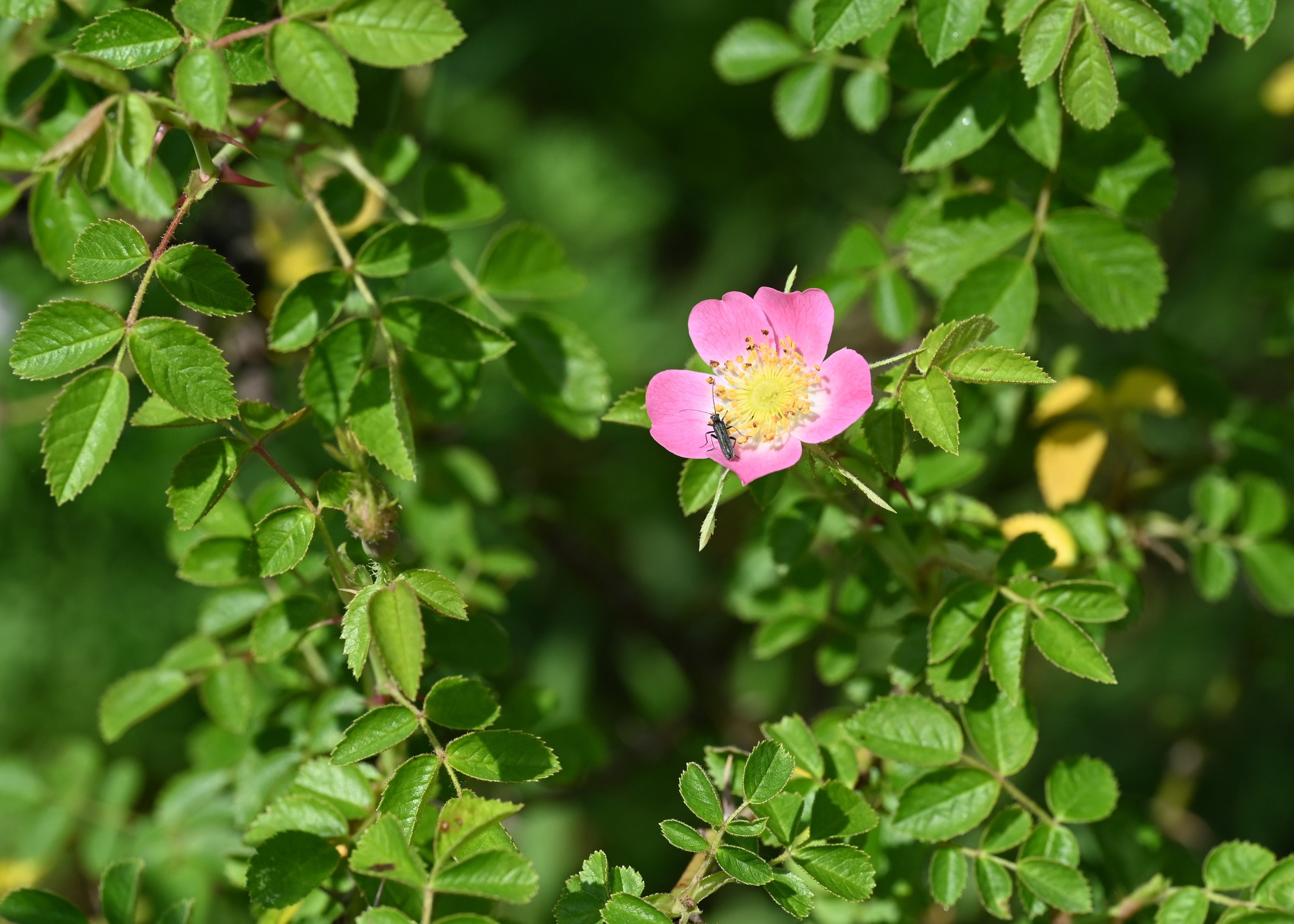
Garden Rose
Least ConcernWhat is a rose? The rose (Rosa rubiginosa) is a woody perennial flowering plant belonging to the Rosaceae family. Renowned globally for its ornamental beauty, fragrant blooms, and cultural significance, the rose is one of the most widely cultivated flowers. Roses grow as erect shrubs, climbing vines, or trailing groundcovers, often armed with sharp thorns that serve as physical defenses. In addition to their aesthetic appeal, roses yield rose hips, which are rich in Vitamin C and used in teas, syrups, and skincare products.

Common Sunflower
Least ConcernWhat is a sunflower? The common sunflower (Helianthus annuus) is an annual herbaceous plant belonging to the Asteraceae (daisy) family. Native to North America, it is globally famous for its massive yellow flower heads that track the sun across the sky during their immature stage. Sunflowers are widely cultivated for their edible seeds, high-quality cooking oil, and ornamental value. They are also known for their phytoremediation capabilities, meaning they can extract toxic heavy metals and radiation from contaminated soils.