
Scots Pine
Quick Facts & Botanical Stats
Species Overview
What is a Scots Pine? The Scots pine (Pinus sylvestris) is a hardy coniferous evergreen tree in the Pinaceae family. It has the widest distribution of any pine in the world, stretching across Europe and Asia. Highly recognizable by its orange-red upper bark, it is a pioneer species that colonizes poor, sandy soils and peat bogs where other trees cannot grow.
Physical Appearance & Anatomy
What does a Scots pine look like? The tree has a straight trunk that often becomes twisted in wind-swept areas. The bark on the lower trunk is thick, dark grey-brown, and deeply fissured, while the upper trunk features thin, flaky, bright orange-red bark. The needles are short, stiff, blue-green, and grow in clusters of two. The cones are small, grey-brown, and egg-shaped.
Habitat & Growth Behavior
Where do Scots pines grow? They grow in poor, acidic soils, rocky slopes, and peatlands. Scots pines are pioneer plants, requiring full sun and quickly colonizing open land after fires or logging. How do they survive cold? They are highly cold-tolerant, surviving Siberian winters down to -60°C. Their needles have a thick waxy cuticle to limit moisture loss from dry winter winds.
Ecological Role & Symbioses
What wildlife relies on the Scots pine? It is the core species of the ancient Caledonian Forest. The seeds feed red squirrels, pine martens, and capercaillie birds. What insects does it support? It supports over 100 species of insects and mites. The older, flat-topped branches provide ideal nesting platforms for osprey and golden eagles.
Reproduction, Lifecycle & Propagation
Scots pines reproduce sexually. Male cones release pollen in spring. The female cones take two years to mature, changing from green to grey-brown before opening to release small, winged seeds in late winter or early spring. The seeds germinate in sunny, open areas. Scots pines grow moderately fast when young and live for 150 to 300 years.
Conservation Status & Environmental Threats
Pinus sylvestris is classified as Least Concern on the IUCN Red List due to its vast Eurasian range. However, the native Caledonian Forest in Scotland is severely fragmented, with only 1% of the original forest cover remaining. Threats include overgrazing of seedlings by deer, commercial plantation replacement, and needle cast diseases.
Interesting Fun Facts
- The Scots pine is the only pine species native to the British Isles, forming the backbone of Scotland's historic Caledonian Forest.
- The upper trunk of the tree has distinctive flaky, orange-red bark that glows in the late afternoon sun.
- The needles grow in clusters of two and are often twisted, helping to identify the tree.
- It is a highly popular Christmas tree species in the United States, valued for its excellent needle retention.
Related Plants
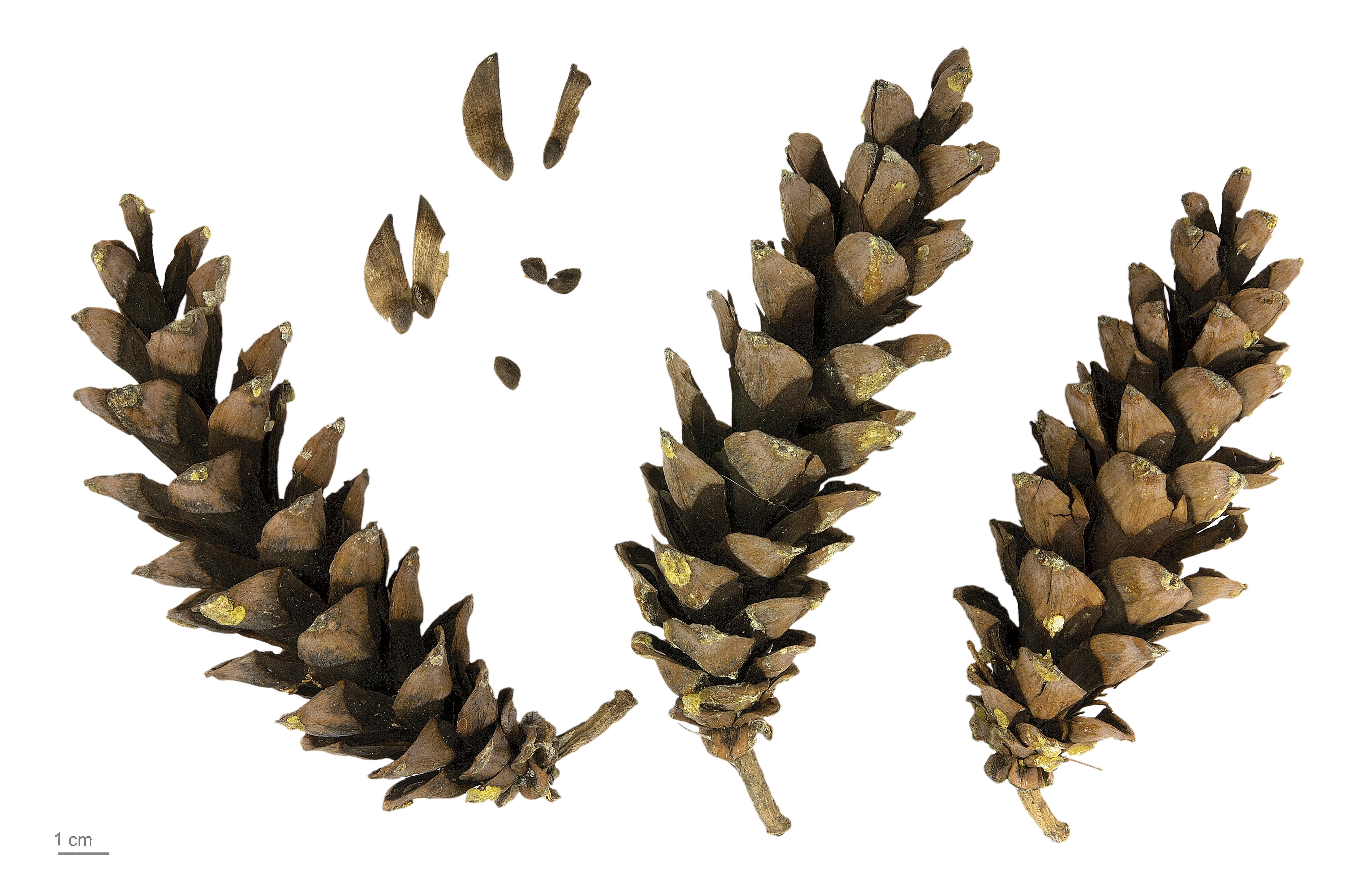
Eastern White Pine
Least ConcernWhat is the Eastern White Pine? The eastern white pine (Pinus strobus) is a massive, fast-growing coniferous tree in the Pinaceae family. It is the tallest conifer native to eastern North America. Historically, its straight, towering trunks were highly prized by the British Royal Navy for ship masts. It is a keystone forest species, famous for its soft, flexible needles that grow in clusters of five.
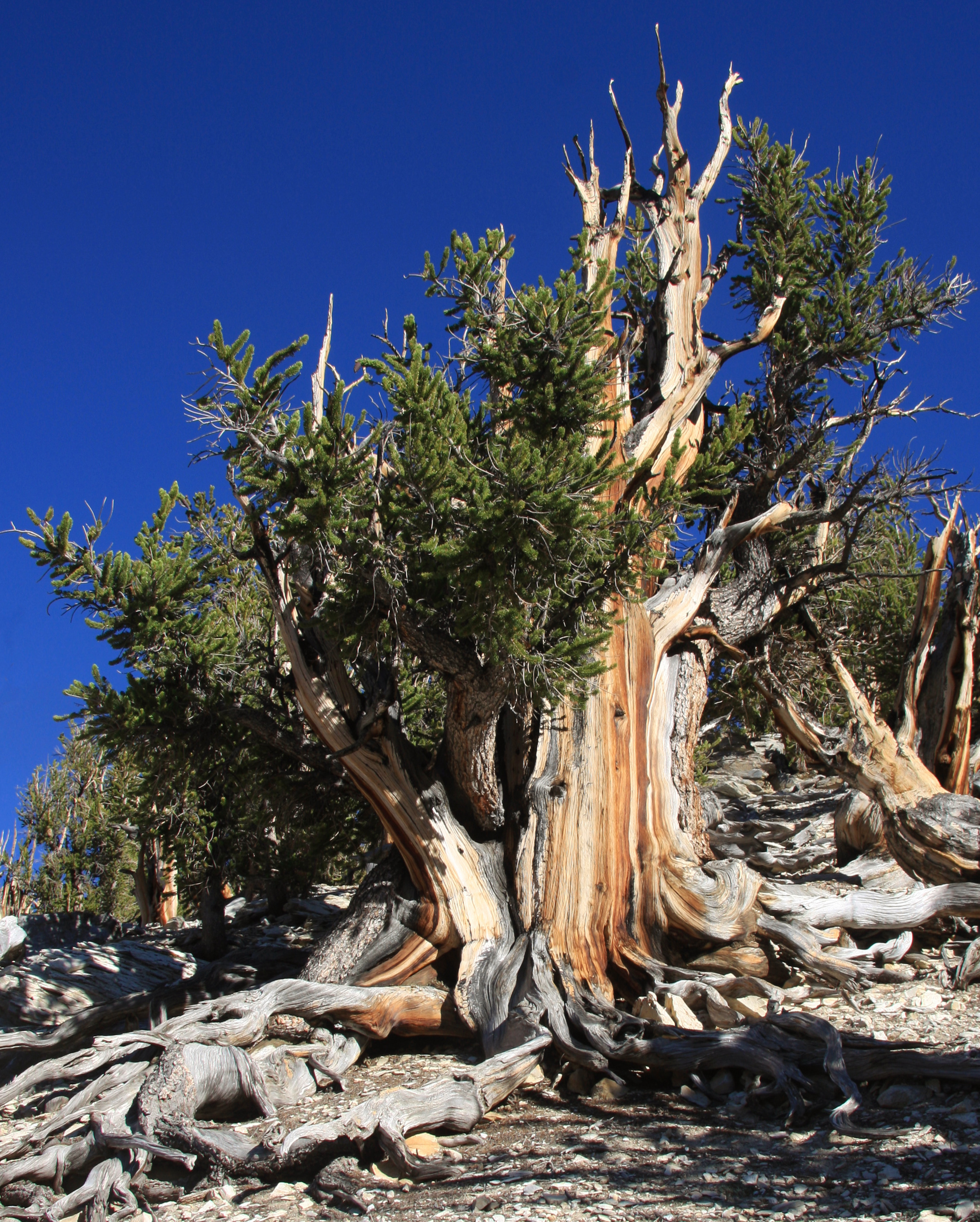
Great Basin Bristlecone Pine
Least ConcernWhat is a bristlecone pine? The Great Basin bristlecone pine (Pinus longaeva) is an extremely long-lived coniferous tree native to the high-altitude mountain ranges of the American Southwest. It is globally famous as the oldest known non-clonal living organism on Earth, with individual trees documented to be over 4,800 years old. Growing in harsh, wind-swept, alpine conditions where other plants cannot survive, these trees grow incredibly slowly, developing dense, resinous wood that resists decay.