Tundra & Alpine Habitat
Cold, wind-swept high-latitude or high-altitude ecosystems characterized by permafrost, where vegetation consists of low-growing shrubs, mosses, and lichens.
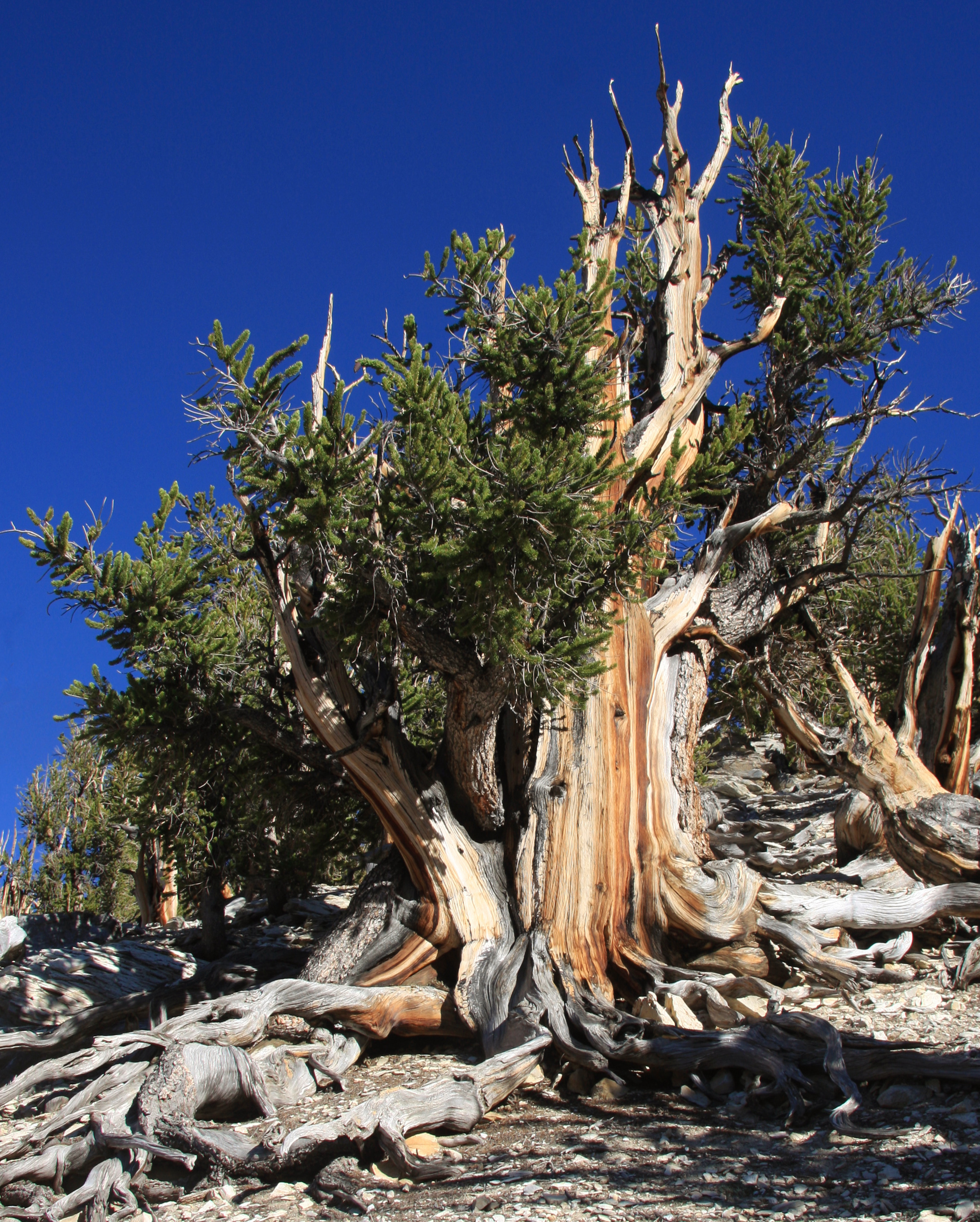
Great Basin Bristlecone Pine
Least ConcernWhat is a bristlecone pine? The Great Basin bristlecone pine (Pinus longaeva) is an extremely long-lived coniferous tree native to the high-altitude mountain ranges of the American Southwest. It is globally famous as the oldest known non-clonal living organism on Earth, with individual trees documented to be over 4,800 years old. Growing in harsh, wind-swept, alpine conditions where other plants cannot survive, these trees grow incredibly slowly, developing dense, resinous wood that resists decay.

Sphagnum Moss
Least ConcernWhat is Sphagnum Moss? Sphagnum is a genus of approximately 380 species of mosses, commonly known as peat moss. Why is Sphagnum moss important? It is a critical ecosystem engineer that dominates peat bogs, wet tundras, and boreal forests. Sphagnum moss can store massive amounts of water—up to 20 times its dry weight—within its specialized cells. Over thousands of years, the slow decay of this moss in waterlogged conditions forms peat, which stores more carbon than all the world's tropical rainforests combined.

Common Butterwort
Least ConcernWhat is a butterwort? The common butterwort (Pinguicula vulgaris) is a small carnivorous plant in the Lentibulariaceae family. Found across cold northern latitudes and alpine slopes, it is famous for its rosette of greasy, yellowish-green leaves. It uses flypaper-like traps to catch insects, secreting sticky mucilage from glandular hairs on its leaves.

Magellan's Peat Moss
Least ConcernWhat is Magellan's Peat Moss? Sphagnum magellanicum, or red peat moss, is a key species of non-vascular bryophyte in the Sphagnaceae family. How does it differ from other peat mosses? It is easily recognized by its striking crimson-red or purplish color. It is a major peat-forming species in the bogs of the Northern and Southern hemispheres, engineering acidic, waterlogged ecosystems.

Alpine Forget-Me-Not
LCA low-growing plant with striking, small sky-blue flowers with bright yellow centers.

Siberian Larch
LCA deciduous conifer that sheds its needles in autumn, turning a striking golden yellow.

Alpine Butterwort
LCA carnivorous plant that grows in cold sub-arctic bogs, using sticky leaves to catch gnats.

Common Snowdrop
NTCommon Snowdrop is one of the earliest spring flowers, often pushing directly through ice and snow.

Balsam Fir
LCBalsam Fir is a symmetrical conifer famous for its sweet resinous aroma and popularity as a Christmas tree.
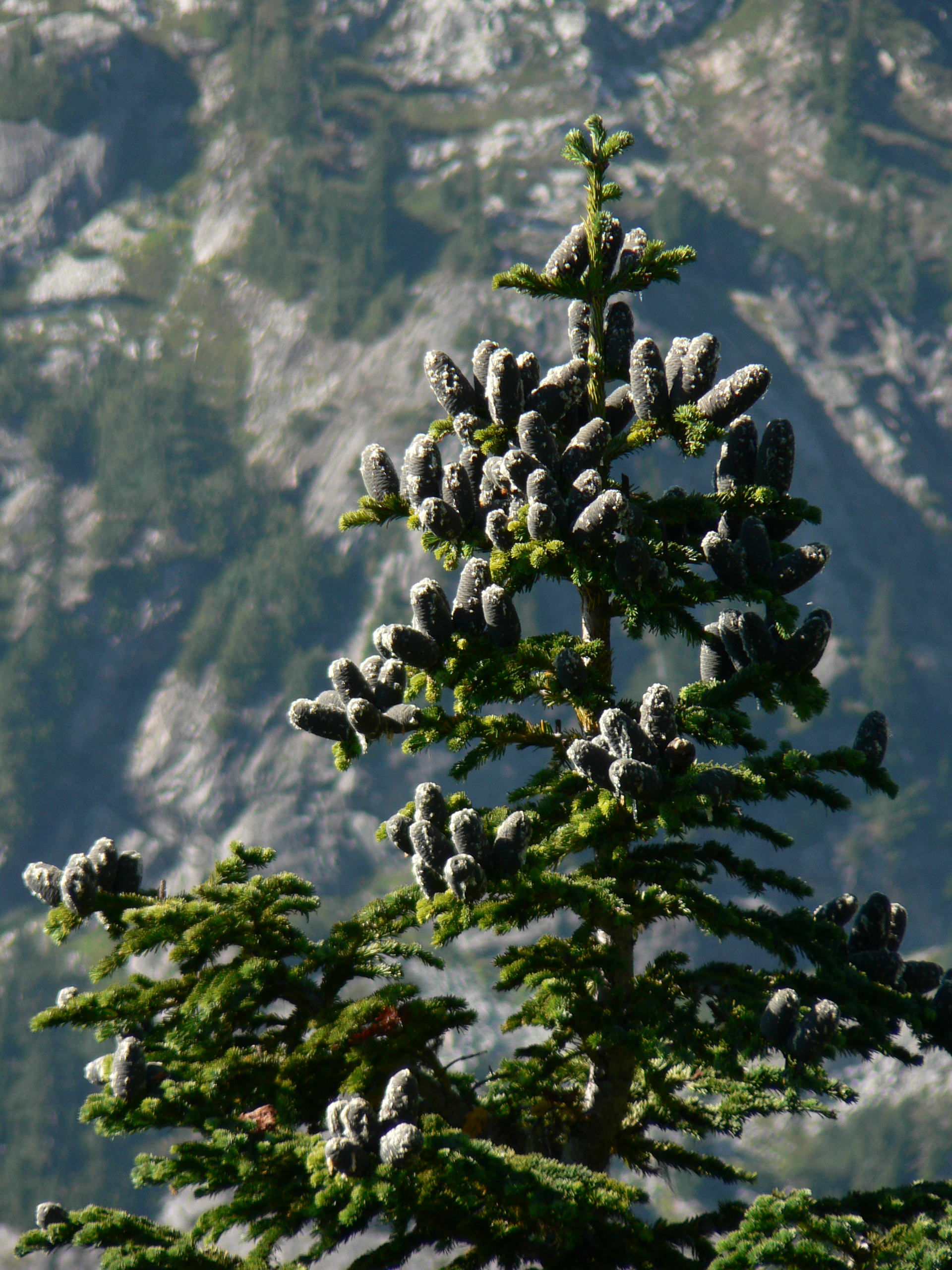
Subalpine Fir
LCSubalpine Fir is a spire-like high-altitude conifer adapted to shed heavy mountain snowfall.
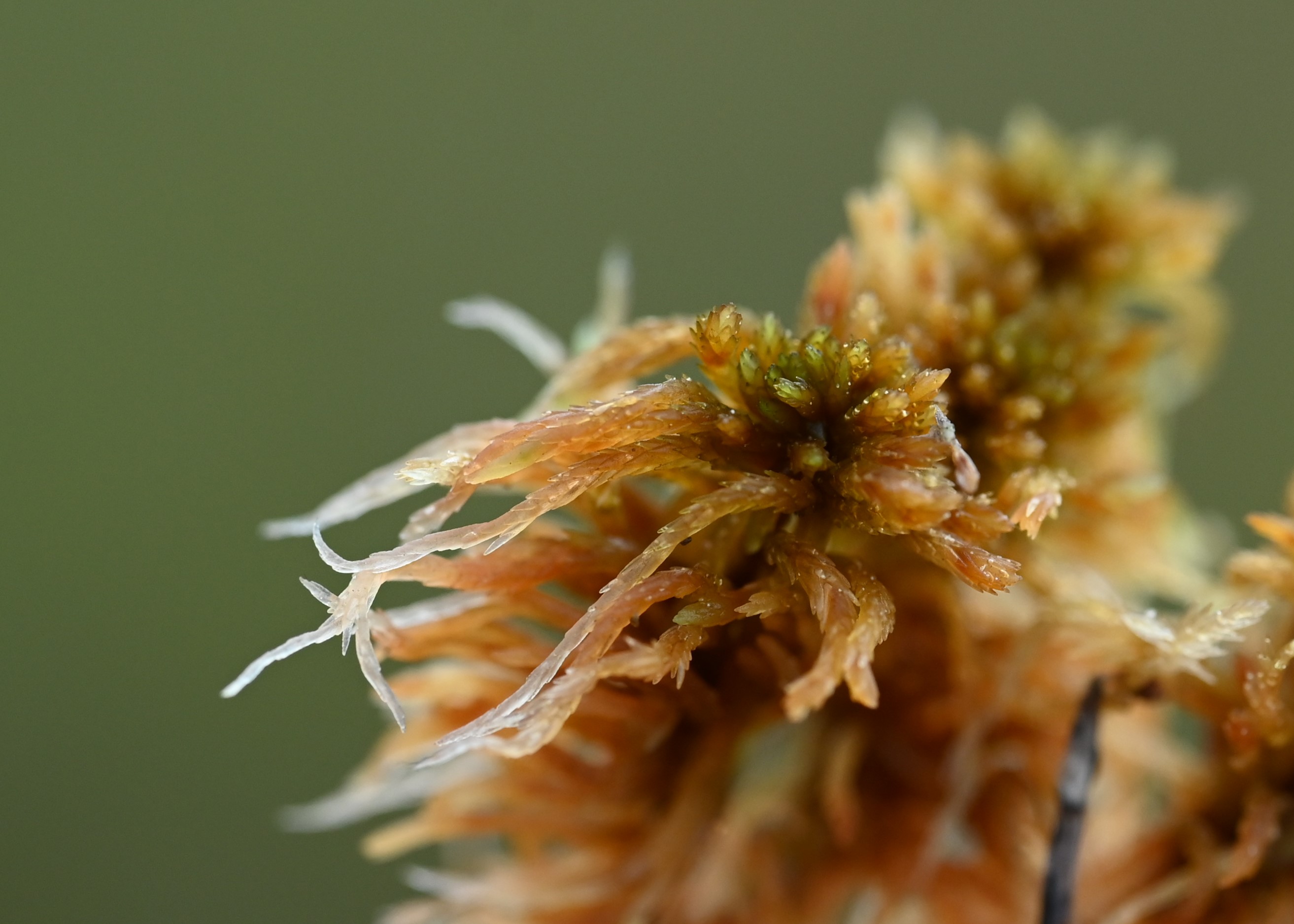
Brown Peat Moss
LCBrown Peat Moss is a key tundra species that builds deep, hummocky peat bogs in subarctic zones.