Aquatic & Ocean Habitat
Marine and freshwater environments, from coastal estuaries and seagrass beds to inland lakes, rivers, and wetland marshes hosting specialized aquatic plants.

Giant Water Lily
VulnerableWhat is the Giant Water Lily? Victoria amazonica is the largest species of the Nymphaeaceae family of water lilies. Native to the slow-moving rivers and lagoons of the Amazon Rainforest, it is famous for its colossal floating leaves that can grow up to 3 meters (10 feet) in diameter. These leaves possess turned-up rims and are structurally reinforced on their undersides with air-filled ribs, allowing them to support the weight of a small child. The plant features a unique pollination relationship with scarab beetles.
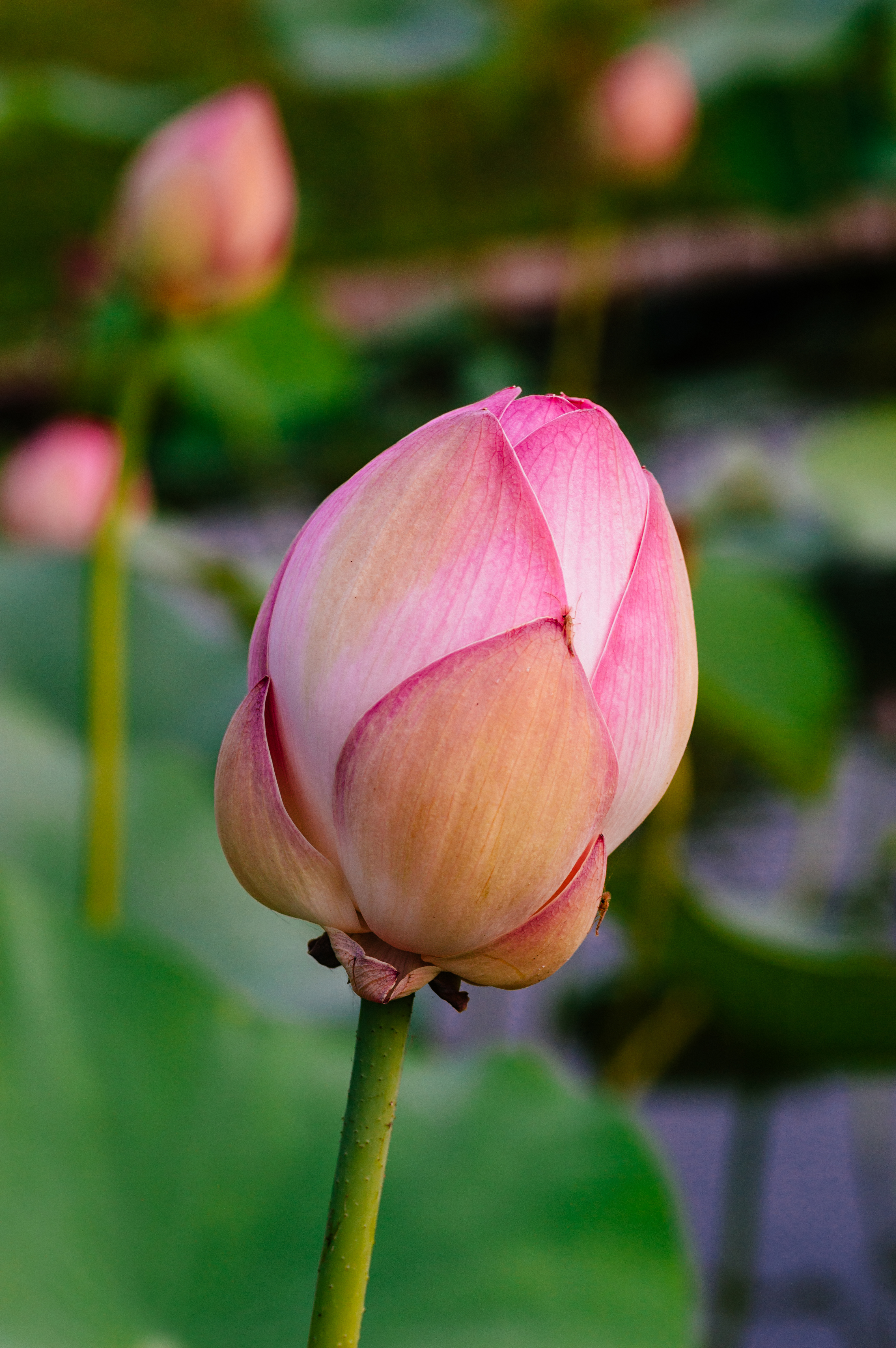
Sacred Lotus
Least ConcernWhat is the Sacred Lotus? Nelumbo nucifera, known as the sacred lotus, is an aquatic perennial plant famous for its symbolic, pristine blooms that rise above muddy waters. Often confused with water lilies, the lotus belongs to a distinct family, Nelumbonaceae. Native to Asia, the plant holds deep spiritual and cultural significance in Hinduism and Buddhism. It is also famous for the 'lotus effect'—the self-cleaning properties of its water-repellent leaves.

Bald Cypress
Least ConcernWhat is a Bald Cypress? The bald cypress (Taxodium distichum) is a large, deciduous conifer in the Cupressaceae family. Native to the wet swamps and floodplains of the American South, it is famous for its ability to grow directly in standing water. It gets its common name 'bald' because, unlike most conifers, it is deciduous, shedding its needle-like leaves in winter. The tree is famous for producing woody projections called 'cypress knees' from its roots.

Royal Fern
Least ConcernWhat is the Royal Fern? Osmunda regalis, the royal fern or flowering fern, is a large deciduous fern in the Osmundaceae family. Found in wetlands globally, it is one of the largest ferns in Europe. It is named 'royal' for its stately size and crown-like fronds. It is also called 'flowering' because its spore-bearing frond tips turn bright golden-brown, resembling flower spikes.

Common Bladderwort
Least ConcernWhat is a bladderwort? The common bladderwort (Utricularia vulgaris) is an aquatic carnivorous plant in the Lentibulariaceae family. Floating freely in ponds, it lacks roots and leaves. How does it catch prey? It is famous for its suction traps, which are small, air-filled bladders. When an aquatic insect touches the trigger hairs, the bladder door opens, sucking in the prey in milliseconds, making it one of the fastest movements in nature.

Waterwheel Plant
EndangeredWhat is the Waterwheel Plant? The waterwheel plant (Aldrovanda vesiculosa) is a rootless, free-floating aquatic carnivorous plant in the Droseraceae family. Is it related to the Venus flytrap? Yes, it is the closest living relative of the Venus flytrap, using active underwater snap traps to catch aquatic invertebrates. The traps are arranged in wheel-like whorls around a central floating stem, giving the plant its common name.

Sea Lavender
LCA salt-tolerant coastal plant with spray-like clusters of tiny lavender-colored flowers.
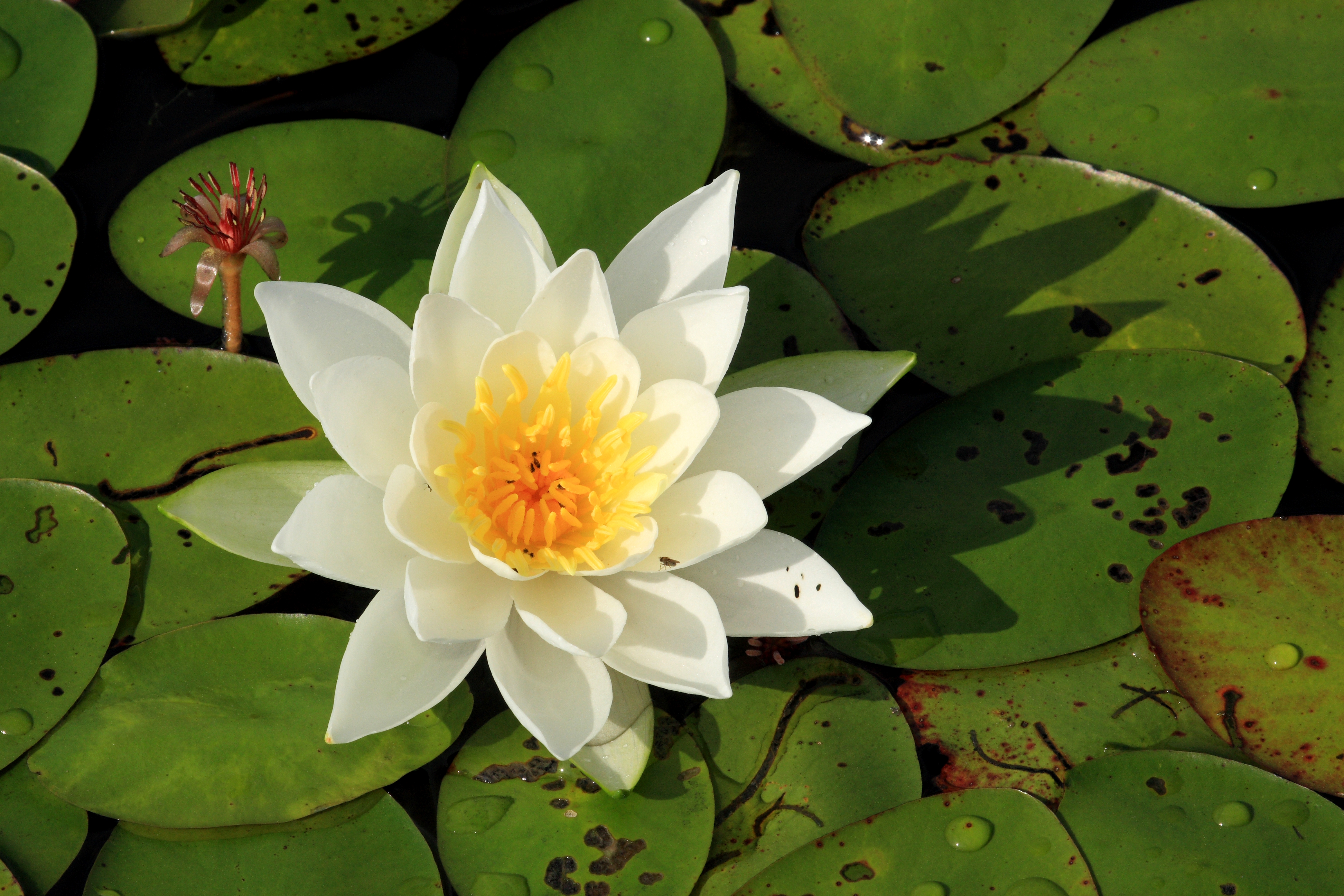
American White Water Lily
LCAn aquatic plant with large round floating leaves and fragrant white multi-petaled flowers.

Yellow Pond Lily
LCA freshwater plant with large heart-shaped leaves and cup-like yellow blossoms.

Monterey Cypress
VUA coastal conifer with wind-swept, sculptural branches that hugs the California coast.

Mosquito Fern
LCA tiny, floating aquatic fern that covers pond surfaces in dense green and red mats.

Water Clover
LCAn aquatic fern with floating leaves that look exactly like four-leaf clovers.

Marsh Fern
LCMarsh Fern is a moisture-loving wetland species that forms extensive colonies in marshy soils.

Floating Water Fern
LCFloating Water Fern is a free-floating aquatic fern with water-repellent eggbeater-shaped hairs.