Rainforest Habitat
Dense, humid tropical forests located near the equator, characterized by high rainfall and a complex multi-layered canopy supporting rich epiphytic and understory plant life.

Moth Orchid
Least ConcernWhat is a moth orchid? The moth orchid (Phalaenopsis amabilis) is an epiphytic perennial plant belonging to the Orchidaceae family, one of the two largest families of flowering plants. Native to the warm, humid rainforests of Southeast Asia, it grows attached to the bark of trees rather than in soil. Known for its elegant, long-lasting flowers that resemble moths in flight, it is highly popular as an indoor houseplant and is a national flower of Indonesia.

Boston Fern
Least ConcernWhat is a Boston fern? The Boston fern (Nephrolepis exaltata 'Bostoniensis') is a popular species of fern belonging to the Lomariopsidaceae family. Native to humid, tropical woodlands and swamps, it is globally famous for its lush, arching, feathery fronds. Discovered in a shipment of ferns from Boston to Philadelphia in 1894, it became a classic Victorian houseplant. Like all ferns, it is a non-flowering vascular plant that reproduces via spores rather than seeds.

Venus Flytrap
EndangeredWhat is a Venus flytrap? The Venus flytrap (Dionaea muscipula) is a small carnivorous plant belonging to the Droseraceae family. Native exclusively to the nitrogen-poor coastal bogs of North and South Carolina, it is globally famous for its rapid, active leaf traps. Why is the Venus flytrap carnivorous? Because it grows in nutrient-starved, acidic soil, it has evolved traps to catch insects, digesting them to absorb essential nitrogen and phosphorus. Charles Darwin famously described the Venus flytrap as 'one of the most wonderful plants in the world'.

Tropical Pitcher Plant
Least ConcernWhat is a tropical pitcher plant? Nepenthes rafflesiana is a species of carnivorous climbing vine belonging to the Nepenthaceae family. Native to the hot, humid lowlands of Borneo and Sumatra, it is famous for its large, urn-shaped pitcher leaves that trap and digest prey. How do pitcher plants catch insects? Unlike the active Venus flytrap, pitcher plants use passive pitfall traps. Insects are lured by nectar, slip on the waxy rim, fall into a pool of digestive fluid, and dissolve.

Cape Sundew
Least ConcernWhat is a cape sundew? The cape sundew (Drosera capensis) is a small carnivorous plant belonging to the Droseraceae family. Native to South Africa, it is one of the most famous sundew species. How do sundews trap insects? It uses flypaper-like traps, consisting of leaves lined with tentacles that secrete sticky, glistening droplets of mucilage. Insects are attracted to the drops, get stuck, and the leaf slowly rolls up around them to digest them and extract nutrients.

Chinese Hibiscus
Least ConcernWhat is a hibiscus? The Chinese hibiscus (Hibiscus rosa-sinensis) is a tropical evergreen shrub belonging to the Malvaceae family. Famous for its massive, funnel-shaped flowers and bright red petals, it is a classic symbol of tropical beauty and is the national flower of Malaysia. The flowers are edible and widely used to make tart, vitamin-rich herbal teas and traditional remedies.

Sago Cycad
Least ConcernWhat is a sago cycad? The sago cycad (Cycas revoluta), commonly called the sago palm, is an ancient seed plant in the Cycadaceae family. Despite its common name, it is not a palm tree but a gymnosperm (related to conifers). Is the cycad a living fossil? Yes, cycads are ancient plants that have existed for over 280 million years. The plant is highly toxic to animals and contains carcinogenic compounds.
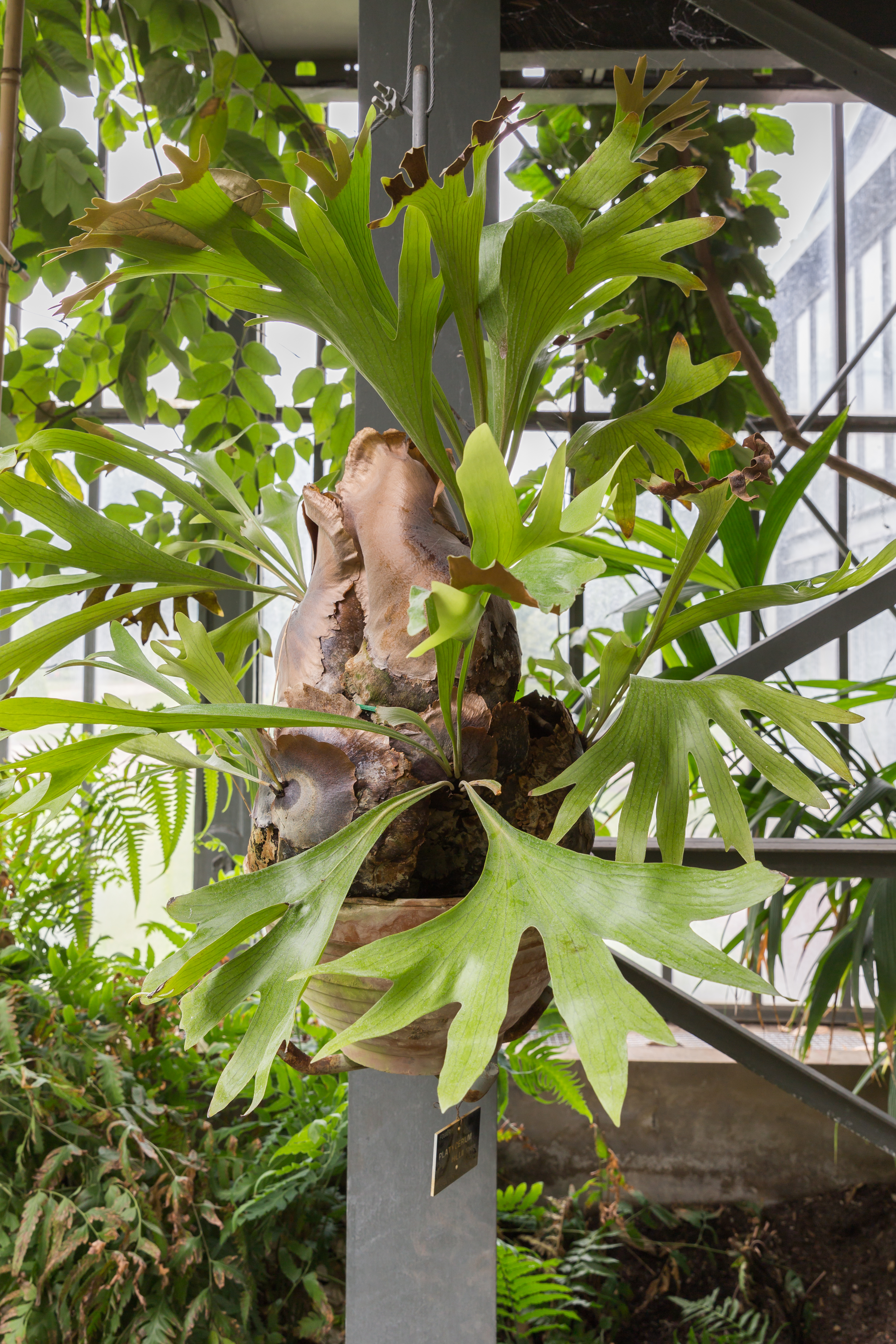
Staghorn Fern
Least ConcernWhat is a staghorn fern? The staghorn fern (Platycerium bifurcatum) is a unique epiphytic fern in the Polypodiaceae family. Native to tropical rainforest canopies, it does not grow in soil; instead, it grows anchored to the bark of trees. It is named for its large, antler-like fronds. What are the two types of leaves on a staghorn fern? It is dimorphic, producing flat, round shield leaves at the base and long, branching fertile leaves.

Christmas Cactus
VulnerableWhat is a Christmas Cactus? The Christmas cactus (Schlumbergera truncata) is an epiphytic succulent in the Cactaceae family. Is it a desert cactus? No, it is a tropical rainforest cactus that grows attached to trees and rocks in the humid mountains of Brazil. It is globally famous as a holiday houseplant, producing cascades of bright tubular flowers in winter, triggered by short days.

Sun Pitcher Plant
Least ConcernWhat is the sun pitcher plant? Heliamphora nutans, the sun pitcher plant, is a carnivorous plant in the Sarraceniaceae family. Native exclusively to the ancient, flat-topped sandstone mountains (tepuis) of the Guiana Highlands, it is famous for its simple, tube-like leaves. How does it catch prey? It uses passive pitfall traps, attracting insects to a small nectar gland at the top of the leaf tube.

Western Red Cedar
LCA massive evergreen conifer with scale-like leaves and highly rot-resistant wood.

Pacific Yew
NTA slow-growing understory conifer with flat needles and bright red, berry-like arils.

Kauri Tree
CDA massive ancient conifer from New Zealand with smooth bark and broad leaf-like needles.

Licorice Fern
LCAn epiphytic fern that grows abundantly on the mossy branches of bigleaf maples.
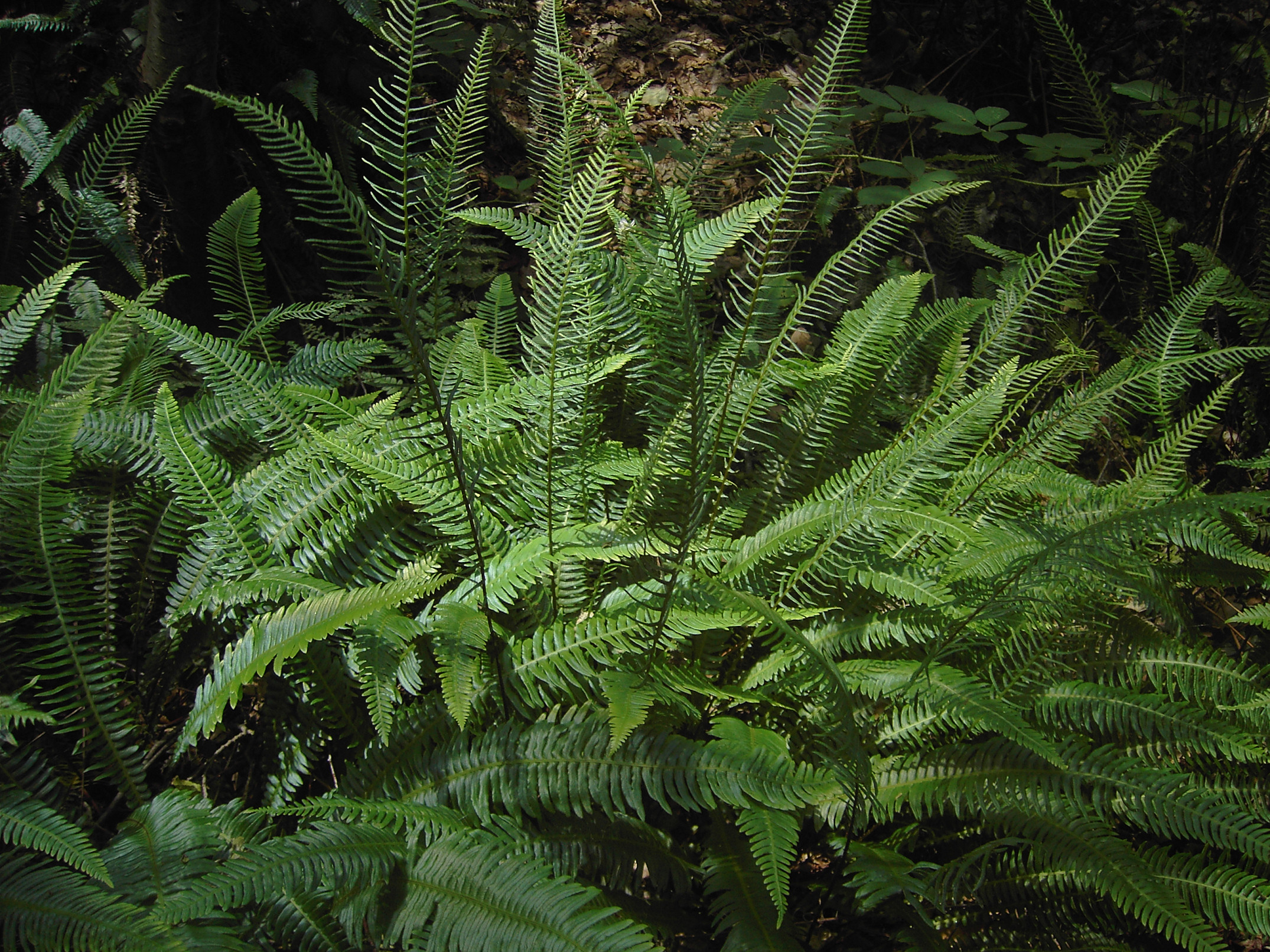
Deer Fern
LCFeatures two distinct types of fronds: flat sterile fronds and upright fertile spikes.

Giant Chain Fern
LCThe largest fern native to North America, forming majestic clumps of arching fronds.

Australian Tree Fern
LCA fast-growing tree fern featuring a slender trunk topped with a crown of lacy fronds.

Forked Sundew
LCA sundew featuring unique fork-branched leaves covered in sticky insect-catching dew glands.

Brocchinia Reducta
LCA carnivorous bromeliad that captures insects in a water-filled central leaf cup.

Powdery Catopsis
LCAn epiphytic carnivorous bromeliad that grows on tree branches in tropical rainforests.

Passion Flower
LCPassion Flower is a fast-growing perennial vine celebrated for its intricate, alien-like purple and white blossoms.

Frangipani
LCFrangipani is a tropical tree world-renowned for its intensely sweet-scented, velvety five-petaled blossoms.

Japanese Camellia
LCJapanese Camellia is an elegant evergreen shrub prized for its glossy leaves and exquisite winter blooms.

Japanese Holly Fern
LCJapanese Holly Fern is an evergreen fern with thick, holly-like glossy green leaflets.

Silver Fern
LCSilver Fern (Ponga) is an iconic tree fern famous for the silvery-white underside of its fronds.

Spoon-Leaved Sundew
LCSpoon-Leaved Sundew is a compact carnivorous plant forming glistening red spoon-shaped leaf rosettes.

Mexican Butterwort
LCMexican Butterwort uses greasy, butter-like sticky leaves to trap insects in tropical cloud forests.
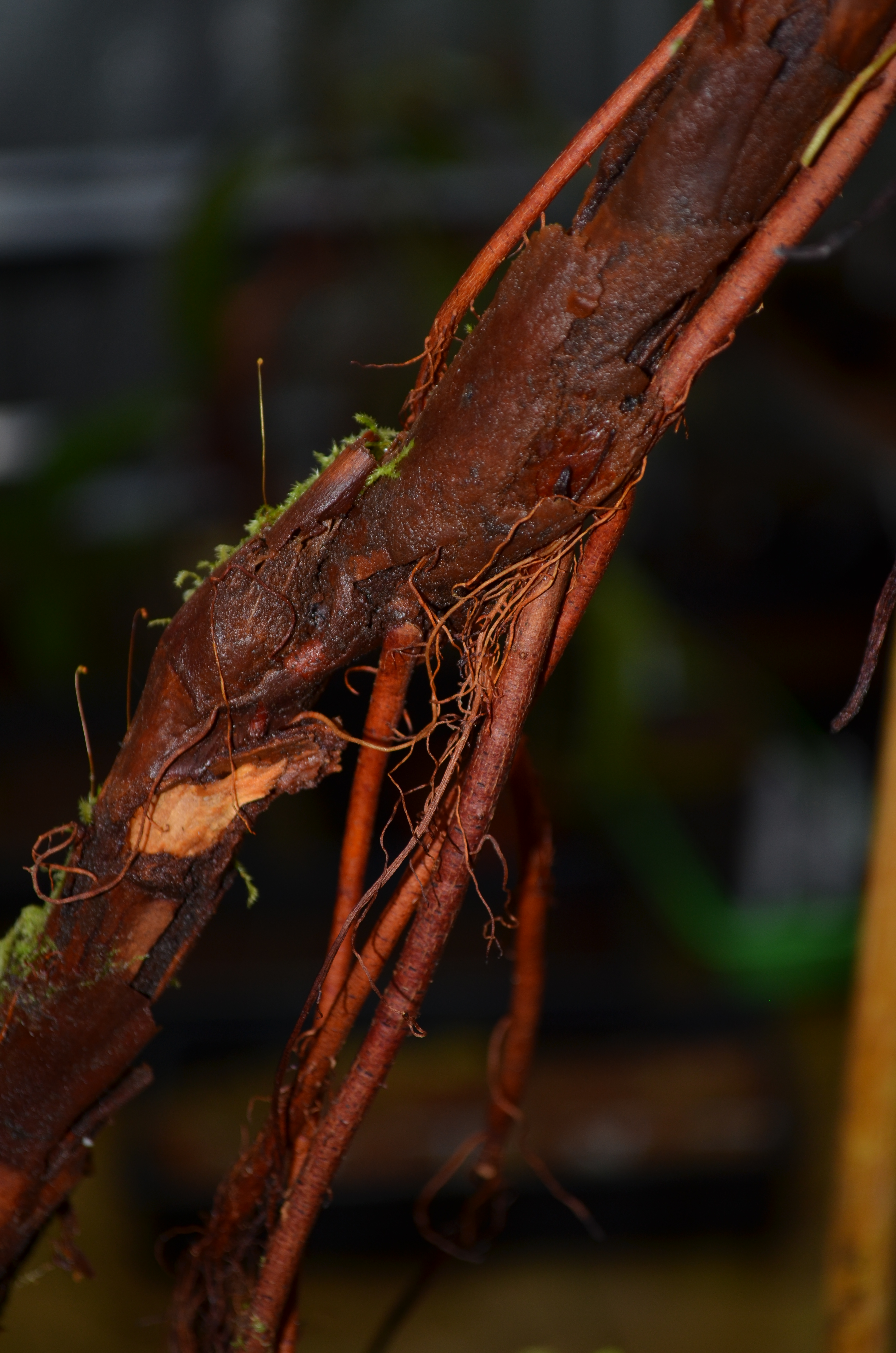
Giant Sun Pitcher
LCGiant Sun Pitcher is a shrubby carnivorous plant that grows on ancient cloud-shrouded tepui plateaus.

Triphyophyllum
VUTriphyophyllum is the world's largest carnivorous plant, growing into a massive 70-meter rainforest vine.