Temperate Forest Habitat
Wooded regions in temperate zones dominated by broadleaf deciduous trees or needle-leaf evergreen conifers, with rich layers of understory shrubs, ferns, and mosses.
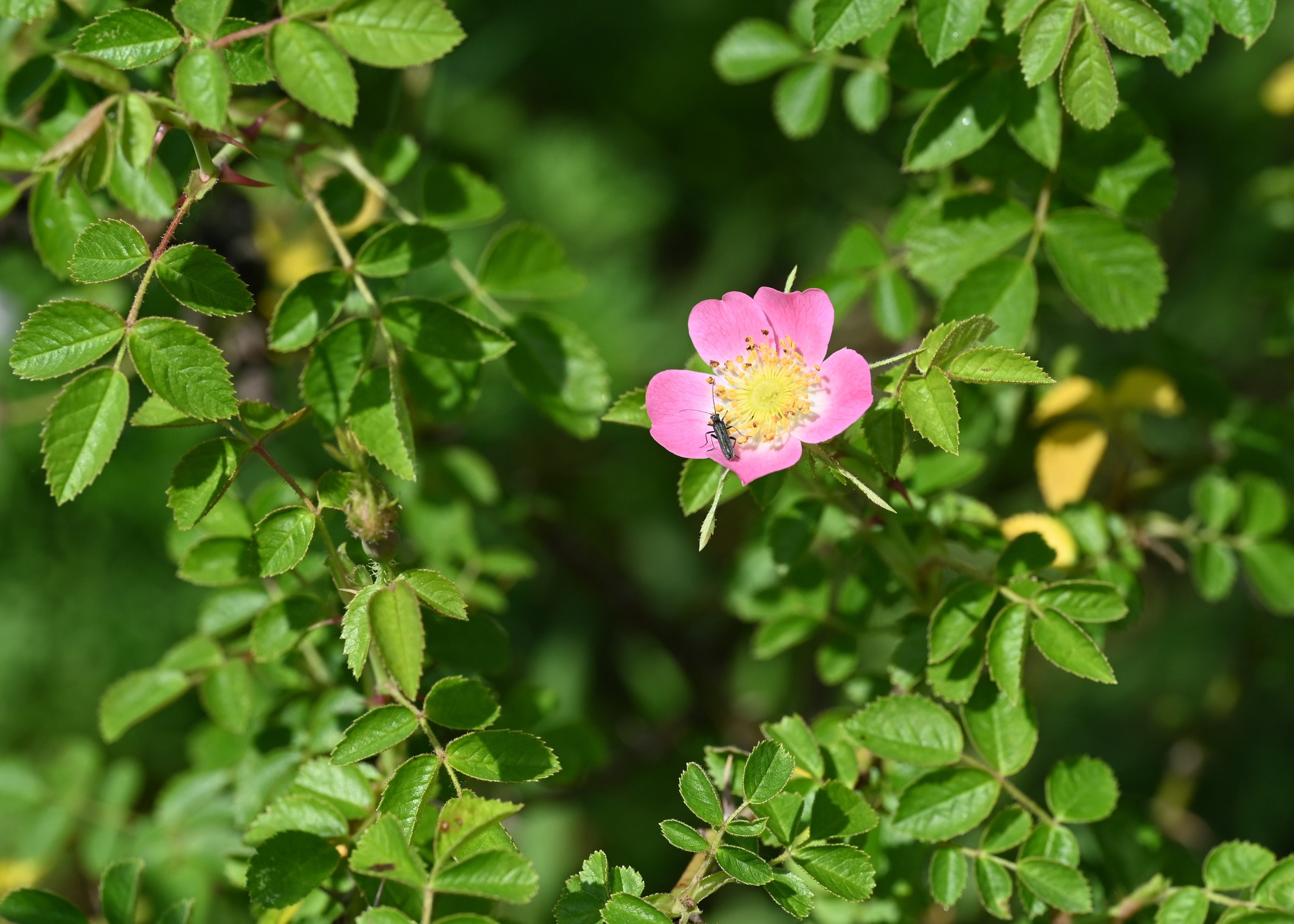
Garden Rose
Least ConcernWhat is a rose? The rose (Rosa rubiginosa) is a woody perennial flowering plant belonging to the Rosaceae family. Renowned globally for its ornamental beauty, fragrant blooms, and cultural significance, the rose is one of the most widely cultivated flowers. Roses grow as erect shrubs, climbing vines, or trailing groundcovers, often armed with sharp thorns that serve as physical defenses. In addition to their aesthetic appeal, roses yield rose hips, which are rich in Vitamin C and used in teas, syrups, and skincare products.

Coast Redwood
EndangeredWhat is a Coast Redwood? Sequoia sempervirens, the coast redwood, is a massive coniferous evergreen tree belonging to the Cupressaceae family. It is the tallest living tree species on Earth, reaching heights of over 115 meters (377 feet). Restricted to a narrow coastal strip in California and Oregon, redwoods are ancient giants that can live for over 2,000 years. They form unique ecosystems characterized by thick bark, massive carbon storage, and a reliance on coastal fog.

Ginkgo Biloba
EndangeredWhat is a ginkgo tree? Ginkgo biloba, commonly known as the ginkgo or maidenhair tree, is an ancient deciduous tree and the sole surviving member of the division Ginkgophyta. Often referred to as a 'living fossil', the ginkgo has remained virtually unchanged for over 200 million years, predating the dinosaurs. While technically classified as a gymnosperm (like conifers), it features flat, fan-shaped leaves and has been cultivated in China for thousands of years for food, medicine, and temple landscaping.

Douglas Fir
Least ConcernWhat is a Douglas Fir? Pseudotsuga menziesii, the Douglas fir, is a massive coniferous evergreen tree belonging to the Pinaceae family. Native to western North America, it is one of the most commercially important timber trees globally. Despite its common name, it is not a true fir (genus Abies), but belongs to its own genus, Pseudotsuga (meaning 'false hemlock'). Douglas firs are key components of old-growth temperate rainforests, second in height only to coast redwoods.

Ostrich Fern
Least ConcernWhat is an ostrich fern? The ostrich fern (Matteuccia struthiopteris) is a large crown-forming deciduous fern belonging to the Onocleaceae family. Native to temperate regions of North America and Eurasia, it is named for its large, upright, feathery green fronds that resemble ostrich feathers. Are ostrich ferns edible? Yes, the tightly coiled young fronds, known as fiddleheads, are harvested in spring and eaten as a seasonal delicacy in North America and Japan.

English Lavender
Least ConcernWhat is lavender? English lavender (Lavandula angustifolia) is a highly aromatic perennial shrub in the Lamiaceae (mint) family. Globally valued for its soothing fragrance, striking purple flower spikes, and essential oils, it is a staple of cosmetics, herbal medicine, and culinary arts. It is adapted to dry climates, possessing narrow, silvery-green leaves that reduce transpiration.

Garden Tulip
Least ConcernWhat is a tulip? The garden tulip (Tulipa gesneriana) is a spring-blooming herbaceous perennial plant arising from underground bulbs, belonging to the Liliaceae family. Native to Central Asia and popularized in Turkey, it became the subject of 'Tulip Mania' in 17th-century Holland. Today, it is one of the most popular ornamental flowers in the world, with thousands of registered cultivars.

Wild Daffodil
Least ConcernWhat is a daffodil? The wild daffodil (Narcissus pseudonarcissus) is a spring-flowering bulbous perennial in the Amaryllidaceae family. Famous for its bright yellow, trumpet-shaped flowers, it carpet-forests woodlands across Western Europe. Every part of the plant contains toxic alkaloids (lycorine) which protect it from pests and herbivores, making it highly resilient.

Clove Carnation
Least ConcernWhat is a carnation? The clove carnation (Dianthus caryophyllus) is a popular herbaceous perennial plant belonging to the Caryophyllaceae family. Cultivated for over 2,000 years, it is famous for its sweet, clove-like fragrance, ruffled petals, and long vase life, making it a staple of the floral industry. It is a symbol of motherly love and the official flower of Mother's Day.

Garden Mum
Least ConcernWhat is a chrysanthemum? The garden mum (Chrysanthemum morifolium) is a popular autumn-blooming herbaceous perennial in the Asteraceae family. First cultivated in China in the 15th century BC, it is highly valued for its ornamental flowers, herbal teas, and natural insecticidal properties. The chrysanthemum is a symbol of autumn and holds deep cultural status in East Asia.

French Hydrangea
Least ConcernWhat is a hydrangea? The French hydrangea (Hydrangea macrophylla) is a deciduous woody shrub in the Hydrangeaceae family. Native to Japan, it is globally famous for its massive, globe-shaped flower heads. It is famous for a unique chemical trait: the color of its flowers changes dynamically based on the acidity (pH) and aluminum content of the soil in which it grows.

Common Jasmine
Least ConcernWhat is jasmine? Common jasmine (Jasminum officinale) is a deciduous climbing vine in the Oleaceae (olive) family. Globally famous for its intense, sweet, exotic fragrance, it is a key ingredient in perfumes, aromatherapy, and green jasmine teas. Native to the valleys of the Himalayas, it is a vigorous climber that uses its twisting stems to ascend structures.

Common Lilac
Least ConcernWhat is a lilac? The common lilac (Syringa vulgaris) is a large deciduous woody shrub in the Oleaceae family. Famous for its highly fragrant, dense purple flower clusters that bloom for a brief period in late spring, it is a beloved heritage garden plant. Native to the rocky hillsides of the Balkans, it is exceptionally long-lived and cold-hardy.

Asian Bleeding Heart
Least ConcernWhat is a bleeding heart? The Asian bleeding heart (Lamprocapnos spectabilis) is a herbaceous perennial in the Papaveraceae (poppy) family. Native to damp woodlands of East Asia, it is famous for its arching stems lined with dangling, heart-shaped pink and white flowers. It is a spring ephemeral, meaning it dies back completely during summer heat.

Giant Sequoia
EndangeredWhat is a Giant Sequoia? Sequoiadendron giganteum, the giant sequoia, is a massive coniferous evergreen tree in the Cupressaceae family. While coast redwoods are taller, giant sequoias are the largest trees on Earth by wood volume. How old do sequoias get? They are ancient giants, with individual trees living for over 3,000 years. They grow exclusively in a narrow mountain belt on the western slopes of the Sierra Nevada, adapted to survive forest fires.

Norway Spruce
Least ConcernWhat is a Norway Spruce? The Norway spruce (Picea abies) is a large, fast-growing coniferous evergreen tree in the Pinaceae family. Native to Northern and Central Europe, it is one of the most commercially and ecologically important conifers on the European continent. It is widely planted globally for timber, paper production, windbreaks, and is famous as the traditional Christmas tree.

Colorado Blue Spruce
Least ConcernWhat is a blue spruce? The Colorado blue spruce (Picea pungens) is a popular coniferous evergreen tree in the Pinaceae family. Native to the Rocky Mountains, it is famous for its striking silvery-blue needles, symmetrical conical shape, and popularity as an ornamental landscape tree. It is the state tree of both Colorado and Utah.
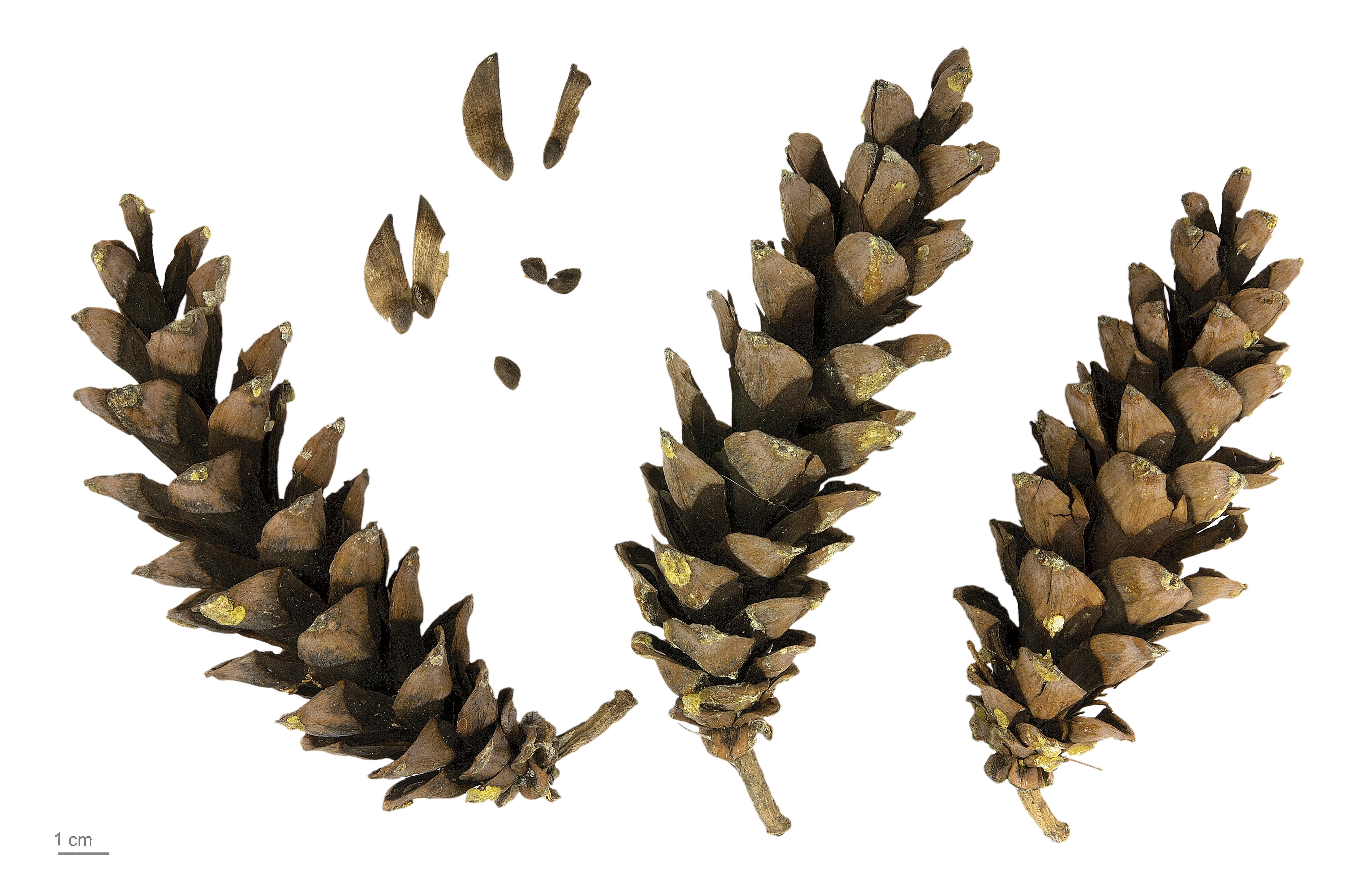
Eastern White Pine
Least ConcernWhat is the Eastern White Pine? The eastern white pine (Pinus strobus) is a massive, fast-growing coniferous tree in the Pinaceae family. It is the tallest conifer native to eastern North America. Historically, its straight, towering trunks were highly prized by the British Royal Navy for ship masts. It is a keystone forest species, famous for its soft, flexible needles that grow in clusters of five.

Scots Pine
Least ConcernWhat is a Scots Pine? The Scots pine (Pinus sylvestris) is a hardy coniferous evergreen tree in the Pinaceae family. It has the widest distribution of any pine in the world, stretching across Europe and Asia. Highly recognizable by its orange-red upper bark, it is a pioneer species that colonizes poor, sandy soils and peat bogs where other trees cannot grow.
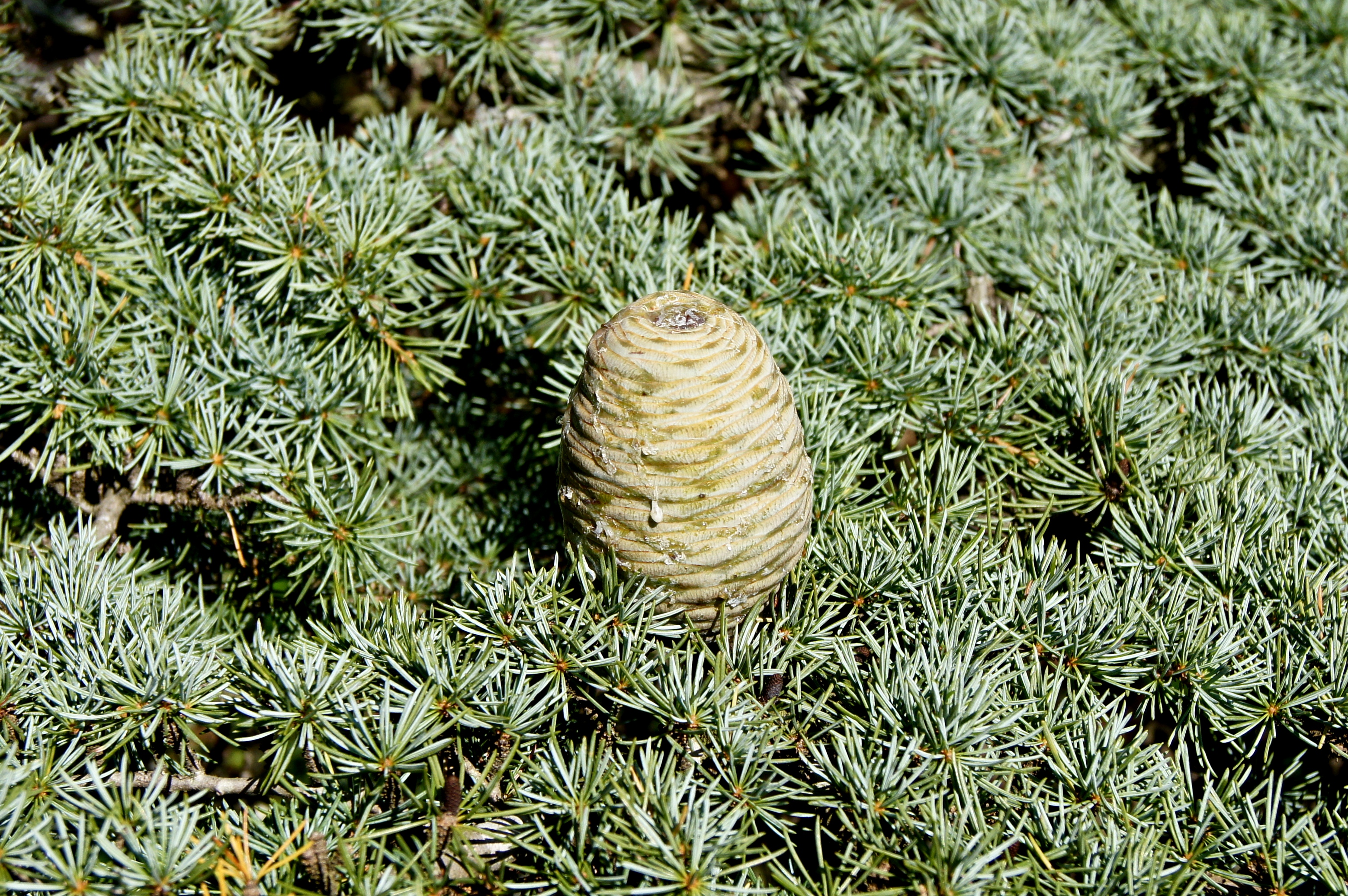
Cedar of Lebanon
VulnerableWhat is the Cedar of Lebanon? The Cedar of Lebanon (Cedrus libani) is a large, majestic coniferous evergreen tree in the Pinaceae family. Famous for its horizontal, tiered branches and deep historical significance, it is the national emblem of Lebanon. The wood is highly fragrant, durable, and was used in antiquity by the Phoenicians, Egyptians, and King Solomon to build temples and ships.

Monkey Puzzle Tree
EndangeredWhat is a Monkey Puzzle Tree? The monkey puzzle tree (Araucaria araucana), or Chilean pine, is an ancient, bizarre-looking conifer in the Araucariaceae family. Often called a 'living fossil', it belongs to a lineage of trees that dates back to the Mesozoic era, when dinosaurs roamed. It is the national tree of Chile, famous for its sharp, scale-like leaves that cover its branches like armor.

Maidenhair Fern
Least ConcernWhat is the Maidenhair Fern? Adiantum capillus-veneris, the maidenhair fern, is a delicate, elegant fern species in the Pteridaceae family. Found worldwide, it is famous for its fan-shaped leaflets and thin, black, wire-like leaf stalks. It grows in damp crevices on limestone rocks and near waterfalls, adapted to high-moisture environments. The name 'Adiantum' comes from Greek, meaning 'unwetted', as its leaves repel water.

Western Sword Fern
Least ConcernWhat is the Western Sword Fern? Polystichum munitum, the western sword fern, is a large, robust evergreen fern in the Dryopteridaceae family. Native to the Pacific Northwest, it is a dominant understory plant in redwood and Douglas fir forests. It is highly resilient, capable of surviving dry summer spells, and is named for its sword-shaped fronds that grow in a circular crown.
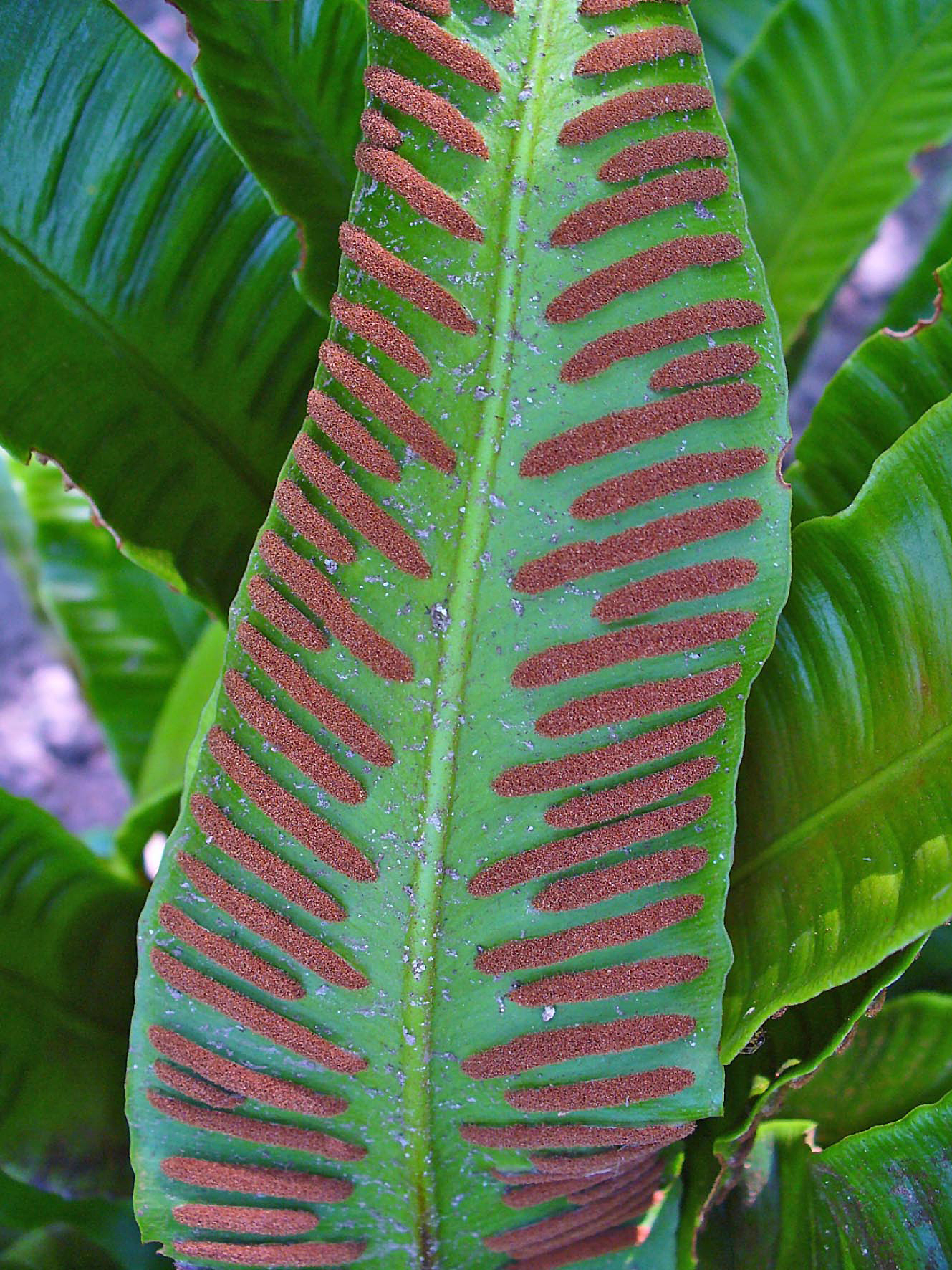
Hart's Tongue Fern
Least ConcernWhat is a Hart's Tongue Fern? The Hart's tongue fern (Asplenium scolopendrium) is an evergreen fern in the Aspleniaceae family. Unlike typical ferns with feathery, divided leaves, this species is famous for its simple, undivided, strap-like fronds. It grows in cool, damp, rocky limestone environments. The name 'Hart' is an old English word for a male red deer, as the leaves resemble a deer's tongue.

Common Lady Fern
Least ConcernWhat is a lady fern? The common lady fern (Athyrium filix-femina) is a large, graceful herbaceous deciduous fern in the Woodsiaceae family. Native to temperate forests, it is named for its delicate, feathery fronds, which historically contrasted with the coarser 'male fern' (Dryopteris filix-mas). It grows in soft, circular clumps and is highly popular in shade gardening.

Sensitive Fern
Least ConcernWhat is a sensitive fern? The sensitive fern (Onoclea sensibilis) is a coarse, colonial deciduous fern in the Onocleaceae family. Found in wet habitats across North America and Asia, it is named 'sensitive' because its fronds are highly sensitive to frost, turning black and dying at the first sign of cold. It is also sensitive to dry conditions, wilting quickly if soil moisture declines.

Cinnamon Fern
Least ConcernWhat is a cinnamon fern? The cinnamon fern (Osmundastrum cinnamomeum) is a large, crown-forming deciduous fern in the Osmundaceae family. Native to wet woodlands of North America and East Asia, it is named for the rich, cinnamon-colored woolly hair that covers its fertile fronds. It is a classic understory wetland species, growing in large circular crowns.

Trumpet Pitcher
Least ConcernWhat is a trumpet pitcher? The trumpet pitcher (Sarracenia flava), or yellow pitcher plant, is a carnivorous plant in the Sarraceniaceae family. Native to wet savannas of the American South, it is famous for its tall, vertical, trumpet-shaped leaves that trap insects. Why is it carnivorous? It grows in nitrogen-poor, acidic peat bogs, using passive pitfall traps to digest insects for nutrients.

Cobra Lily
Least ConcernWhat is the Cobra Lily? Darlingtonia californica, the cobra lily or California pitcher plant, is a carnivorous plant in the Sarraceniaceae family. It is famous for its bulbous, hooded leaves that look like a striking cobra snake. How does it catch insects? Unlike Sarracenia, it uses a lobster-pot trap. Insects enter from below and are confused by translucent 'windows' in the hood; they fly into the walls, fall down the tube, and are digested.

Common Haircap Moss
Least ConcernWhat is haircap moss? Common haircap moss (Polytrichum commune) is a large, non-vascular bryophyte in the Polytrichaceae family. Widespread globally, it is one of the tallest mosses in the world. Unlike most mosses, it has a primitive water-conducting system (hydroids) that allows it to grow much taller than other species. It gets its name from the hairy cap that covers the developing spore capsules.

Common Liverwort
Least ConcernWhat is a liverwort? The common liverwort (Marchantia polymorpha) is a thallose non-vascular bryophyte in the Marchantiaceae family. Native globally, it is an ancient plant lineage that diverged before mosses. Why is it called liverwort? In medieval times, its flat, lobed green body was thought to resemble a liver, leading to the name 'liver herb' (wort). It is famous for its umbrella-like reproductive structures and cup-like structures that produce asexual buds.

Purple Pitcher Plant
Least ConcernWhat is the purple pitcher plant? Sarracenia purpurea, the purple pitcher plant, is a carnivorous perennial in the Sarraceniaceae family. It is one of the most widely distributed pitcher plants in North America, found from the Gulf Coast to the subarctic zones of Canada. It is famous for its squat, decumbent, purple-veined pitchers that fill with rainwater, hosting a complex community of specialized aquatic organisms.

Stair-step Moss
Least ConcernWhat is stair-step moss? Stair-step moss (Hylocomium splendens), or glittering woodmoss, is a large, perennial, non-vascular feather moss in the Hylocomiaceae family. It is a dominant species in the boreal forests (taiga) of the Northern Hemisphere, forming thick, sponge-like olive-green carpet mats over rocks, soil, and rotting wood.

Common Dandelion
LCA hardy perennial herb known for its bright yellow flower heads that turn into white seed globes.

White Clover
LCA creeping perennial plant famous for its three-lobed leaves and ball-like white flower heads.

Common Daisy
LCA classic European species with a yellow disc center surrounded by delicate white petals.

Bird-nest Orchid
LCA brownish, leafless orchid that derives all of its nutrients from a symbiotic fungus.
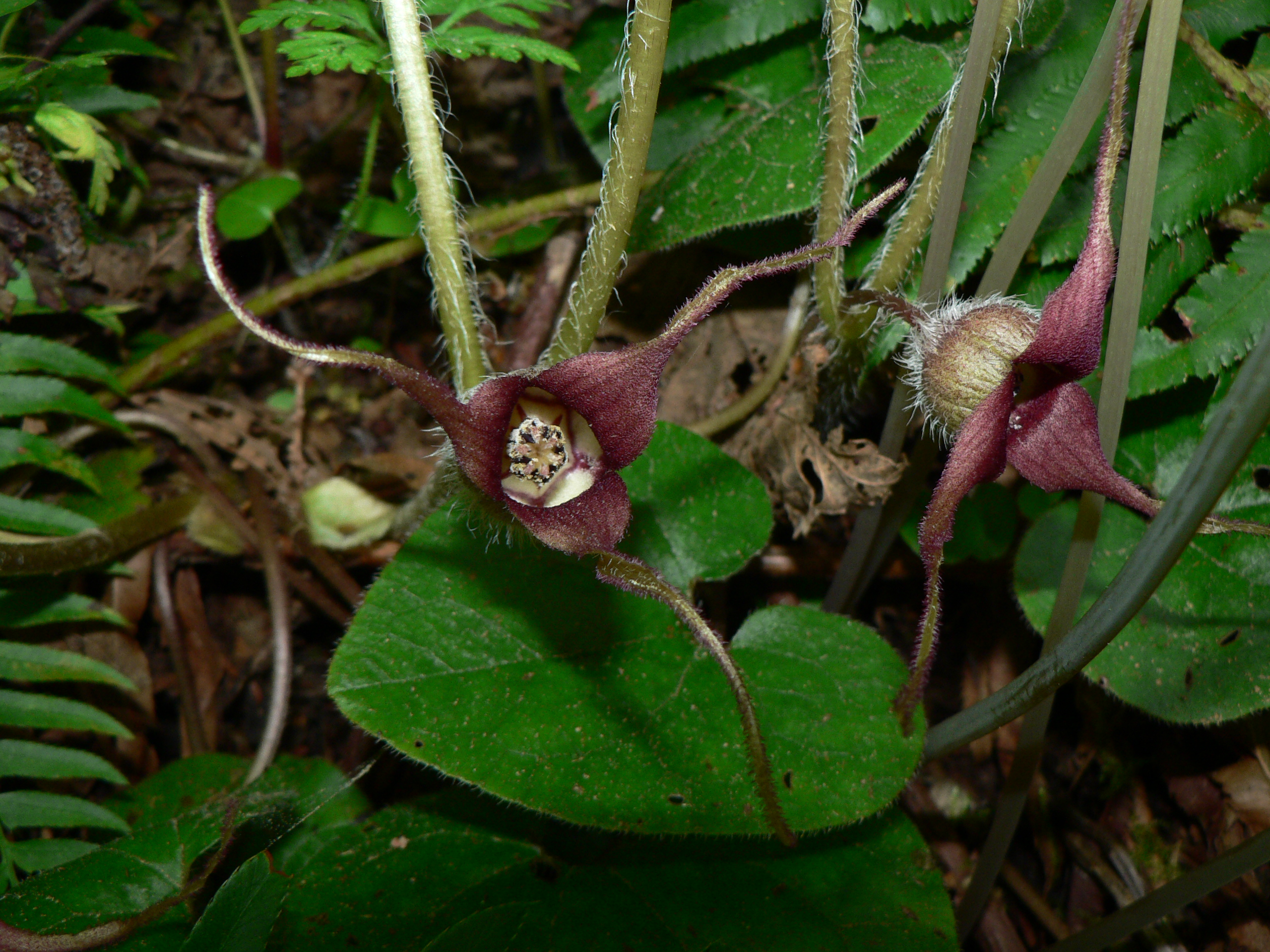
Wild Ginger
LCA shade-loving ground cover with heart-shaped leaves and unusual, cup-shaped maroon flowers.

Broadleaf Plantain
LCA very common broadleaf weed with rosette-forming leaves and tall seed spikes.

Stone Pine
LCA pine tree famous for its flat, umbrella-like crown and edible seeds.
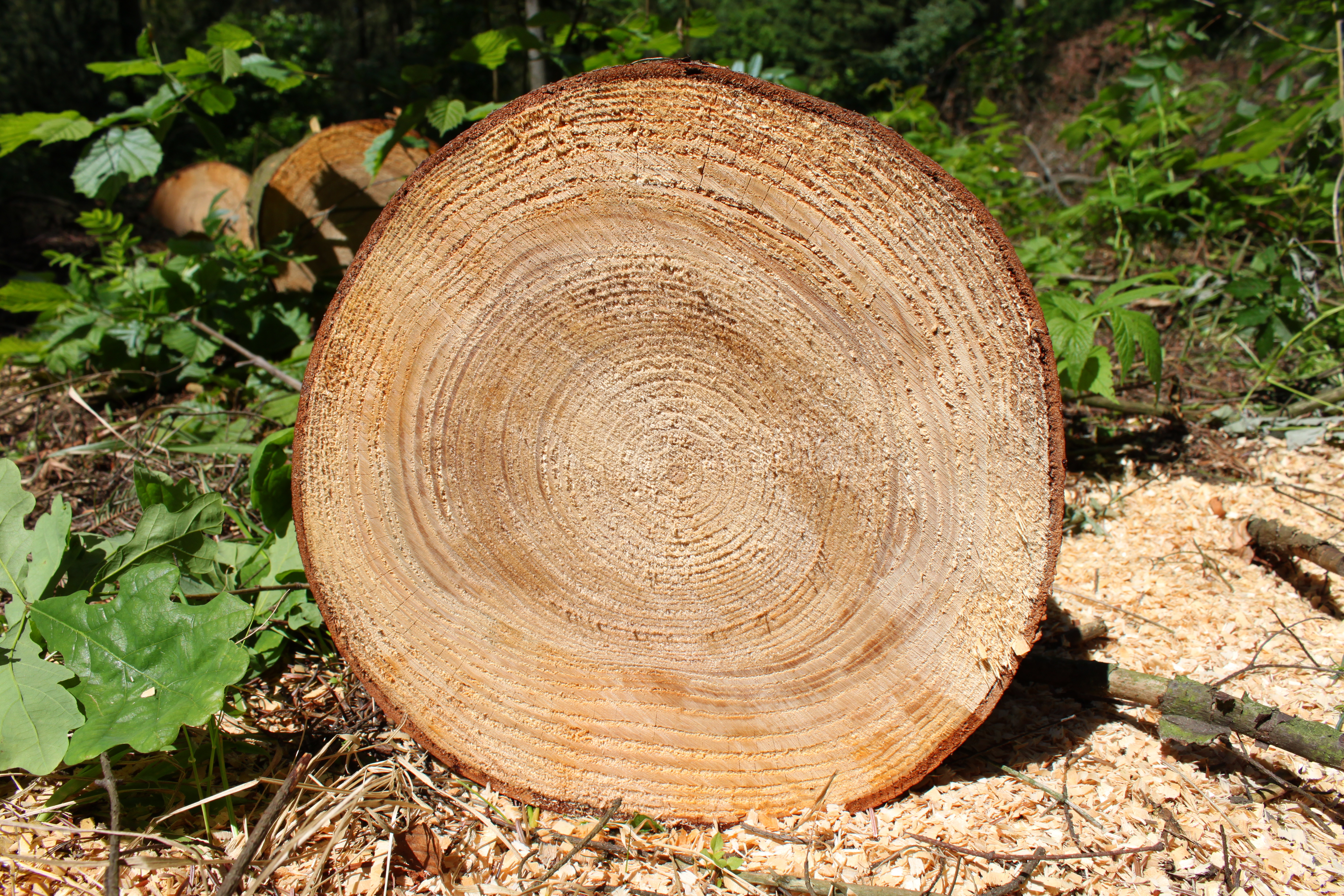
Grand Fir
LCA tall fir tree featuring glossy green needles that release a strong citrus-like fragrance.
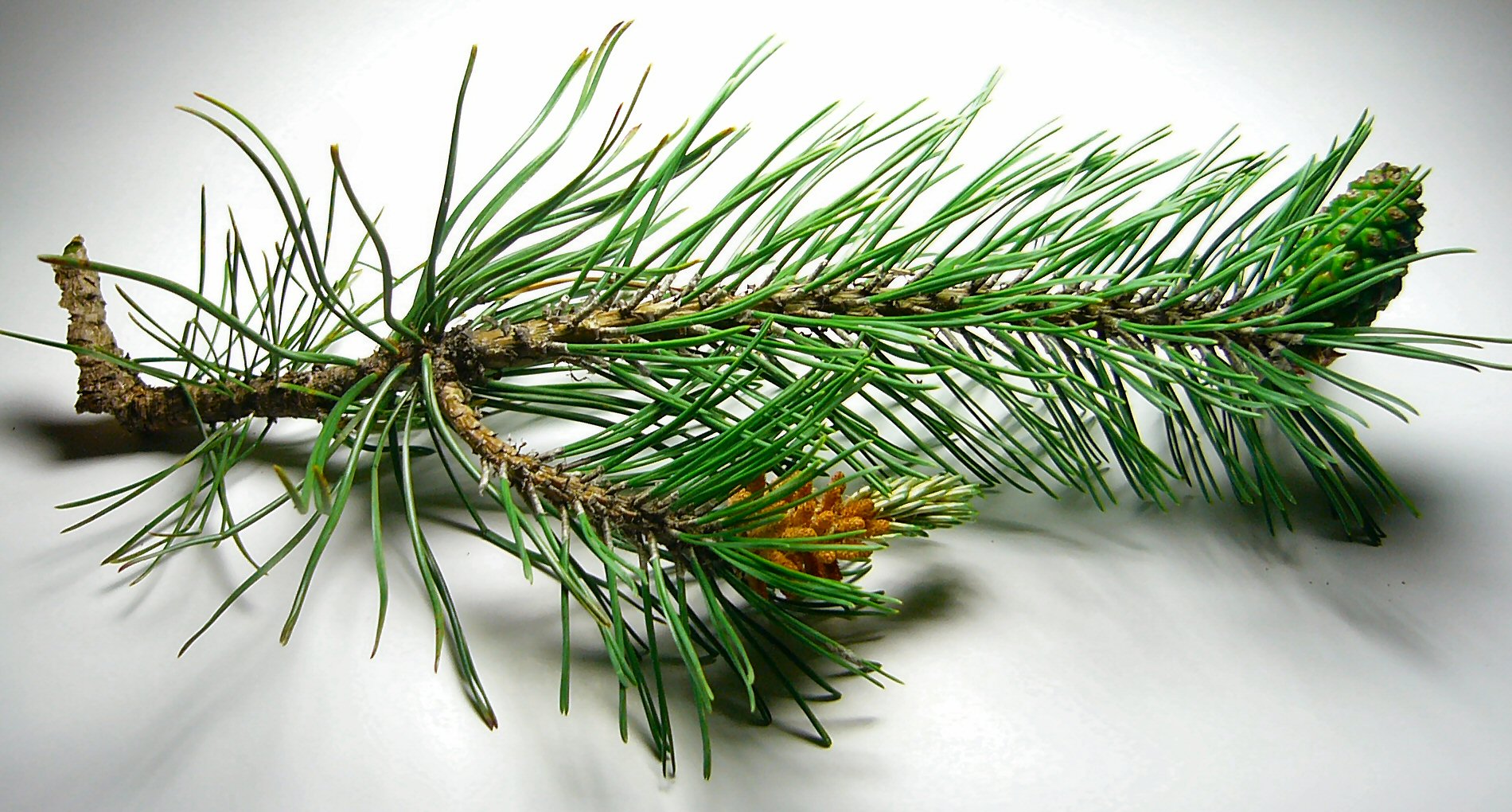
Lodgepole Pine
LCA straight-trunked pine tree that dominates fire-adapted northern forests.

Bracken Fern
LCOne of the most widespread plants in the world, forming massive dense fronds in woodlands.
Resurrection Fern
LCAn epiphytic fern that grows on oak trees and curls up to appear dead when dry.

Adder's Tongue Fern
LCAn unusual fern consisting of a single green leaf and a separate spike resembling a snake's tongue.

Red Clover
LCRed Clover is a nitrogen-fixing perennial herb widely recognized for its vibrant pinkish-purple flower heads.

Common Foxglove
LCFoxglove is a dramatic biennial plant bearing tall spires of speckled tubular purple flowers.

Garden Peony
LCGarden Peony is a long-lived perennial famous for its giant, lush, intensely fragrant blossoms.

Wood Anemone
LCWood Anemone is an early spring ephemera that blankets forest floors with delicate star-like white flowers.

Common Bluebell
LCCommon Bluebell is famous for creating striking violet-blue carpet carpets across spring woodlands.

Japanese Cedar
NTJapanese Cedar (Sugi) is a massive, majestic conifer revered as the national tree of Japan.
Pitch Pine
LCPitch Pine is a tough, gnarled conifer exceptionally adapted to survive intense forest fires.

European Yew
LCEuropean Yew is an ancient evergreen conifer legendary for its extraordinary longevity and toxicity.

Red Pine
LCRed Pine is a straight-growing conifer named for its distinctive flaky, reddish-brown bark.

Ponderosa Pine
LCPonderosa Pine is an iconic, giant conifer featuring thick cinnamon-red bark plates.

Interrupted Fern
LCInterrupted Fern gets its name from the gap created in middle of its fronds where spore leaflets grow.
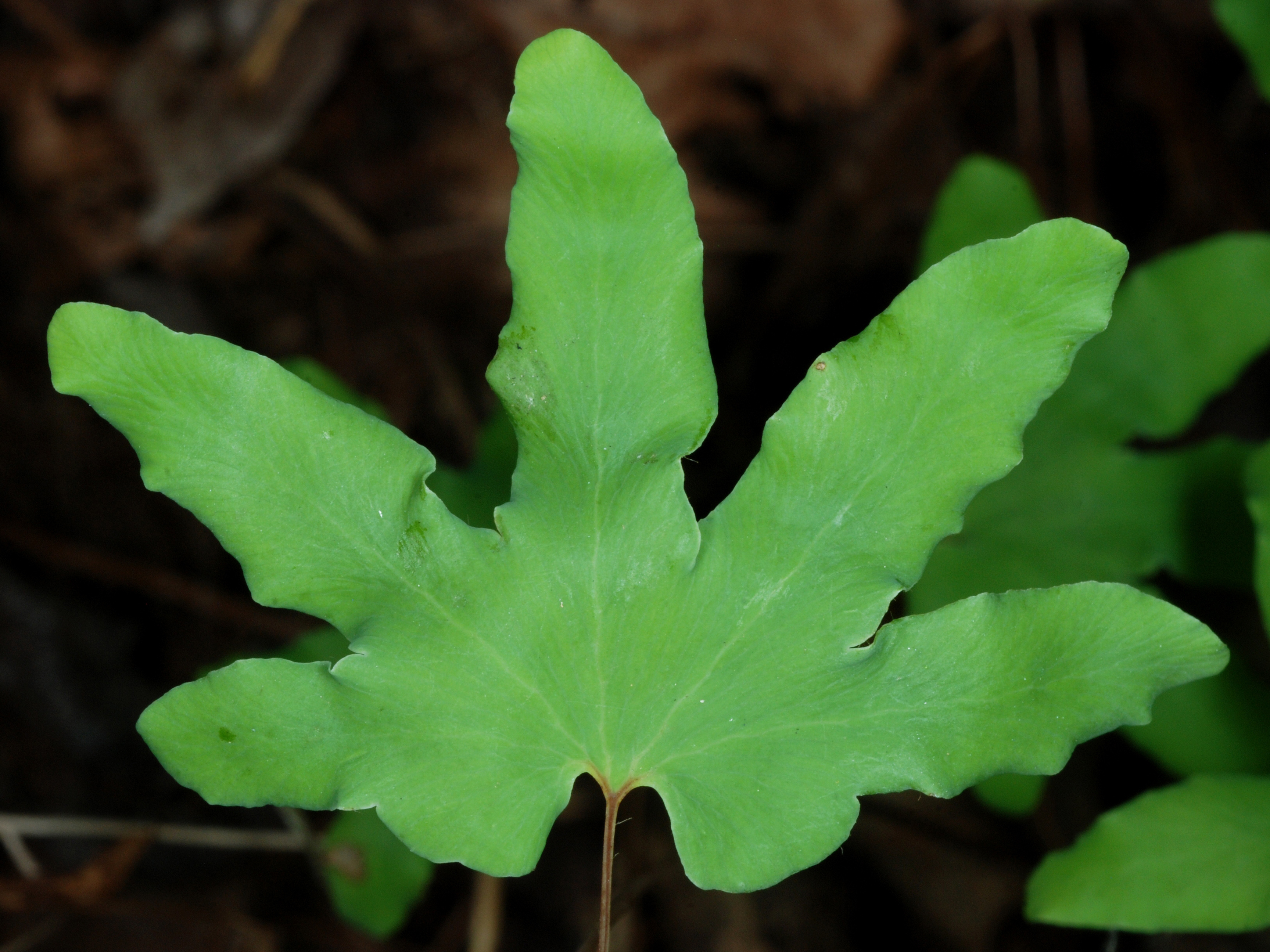
American Climbing Fern
LCAmerican Climbing Fern is one of the few true climbing ferns native to temperate North America.

Walking Fern
LCWalking Fern earns its name by 'walking' across rock surfaces as its leaf tips root and form new plants.

Ebony Spleenwort
LCEbony Spleenwort is a delicate fern recognizable by its glossy, dark ebony-brown central leaf stalks.

Hay-Scented Fern
LCHay-Scented Fern forms lush green carpets that release a fragrant fresh-cut hay scent when crushed.
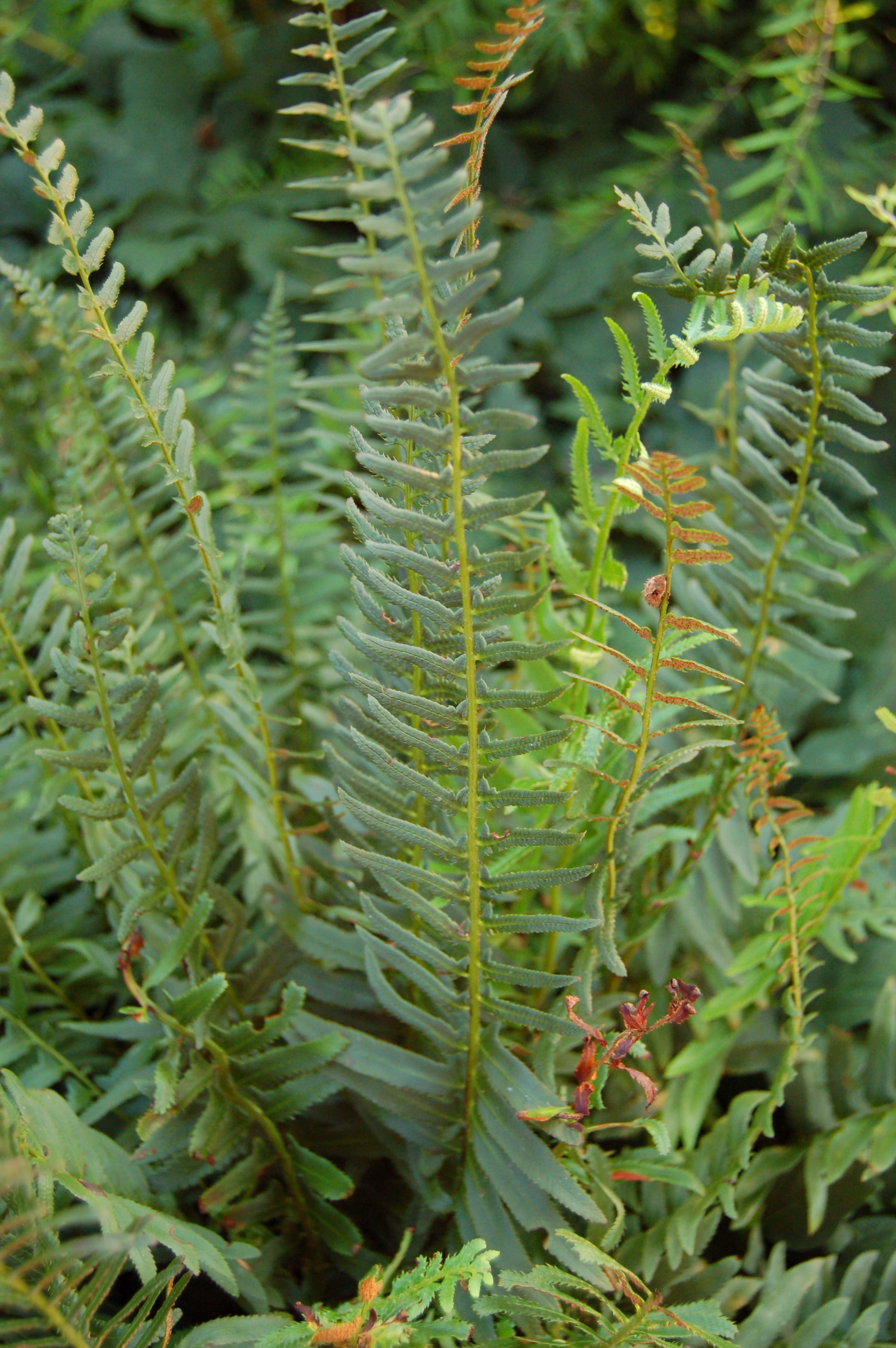
Christmas Fern
LCChristmas Fern is a hardy evergreen fern whose glossy fronds stay green through winter holidays.

Mood Moss
LCMood Moss gets its nickname because its wind-swept green tufts change appearance based on moisture levels.

Sheet Moss
LCSheet Moss forms smooth, interwoven green sheets that peel easily like fabric from forest rocks and logs.

Delicate Fern Moss
LCDelicate Fern Moss is a beautiful moss species whose miniature fronds look exactly like tiny fern leaves.

White Cushion Moss
LCWhite Cushion Moss forms tight, rounded pin-cushion domes that turn silvery-white when dry.